Short Answer
Welcome to a deep dive into the world of Strength Cards—a transformative tool designed to unlock potential, foster resilience, and illuminate the hidden strengths within us all. Whether you’re a coach, educator, therapist, or simply someone seeking personal growth, this guide will explore how these cards work as metaphors for inner power, emotional intelligence, and self-discovery. By the end, you’ll understand their unique appeal, how to interpret their meanings, and why they resonate so deeply across all ages and backgrounds.
The Power of Metaphor: Why Strength Cards Speak to the Soul
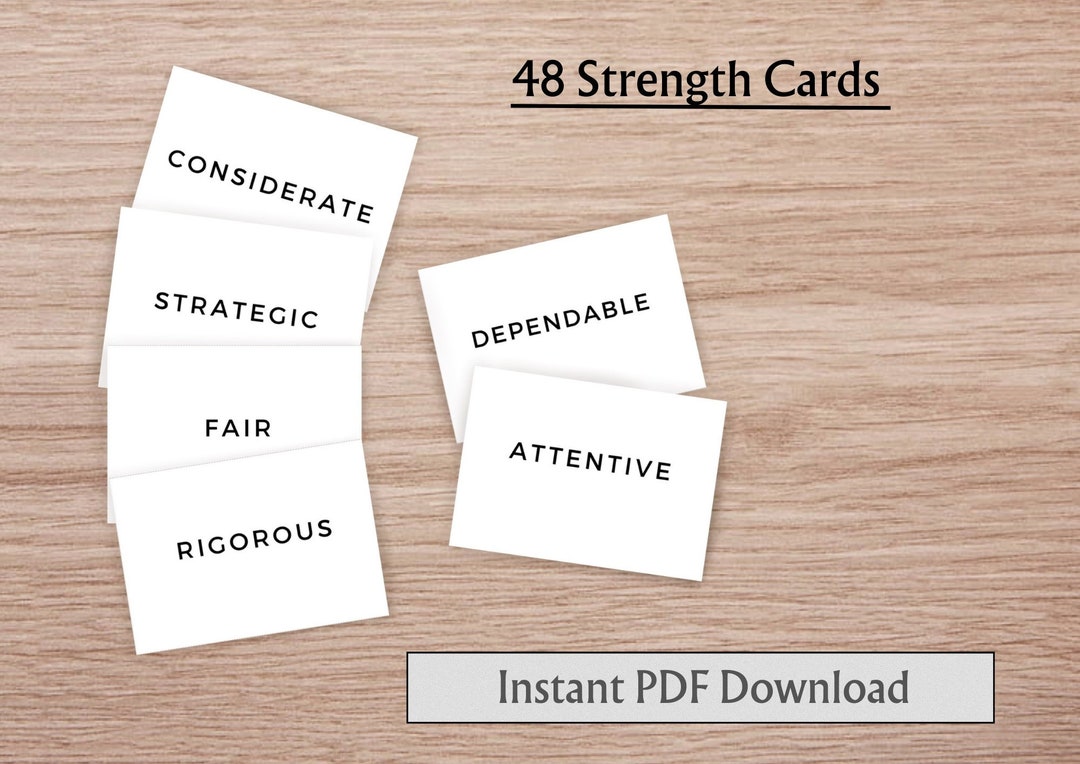
At their core, Strength Cards are more than just visual aids—they are mirrors and maps. Each card represents a facet of human resilience, framed through evocative imagery and succinct language. Metaphors are the language of the subconscious, and these cards leverage that power to bypass rational resistance, speaking directly to emotions and intuition. For example, a card titled “Courage” might depict a lion, not just as a symbol of bravery, but as a reminder that fear and strength can coexist. This duality makes the cards relatable and actionable, turning abstract qualities like patience or creativity into tangible, almost tactile experiences.
The magic lies in their simplicity. Unlike dense self-help books or abstract psychological theories, Strength Cards distill complex emotional concepts into single, powerful images and phrases. This makes them accessible to children, adults, and even those new to personal development. The metaphorical language invites users to project their own experiences onto the cards, creating a personalized journey of reflection and growth.
Decoding the Language of Strength: A Guide to Card Meanings
While each deck may vary, most Strength Cards share common themes rooted in positive psychology and emotional intelligence. Below are some of the most universally resonant categories and their deeper meanings:
Inner Resilience & Courage
Cards in this category often feature animals, natural elements, or mythical figures—symbols that evoke primal strength and endurance. For instance, a card labeled “Perseverance” might show a tree bending in a storm, illustrating how flexibility and rootedness can weather life’s challenges. The metaphor here is clear: resilience isn’t about rigidity; it’s about adaptability and quiet endurance. These cards serve as gentle reminders that setbacks are not failures but part of the journey toward growth.
Emotional Intelligence & Self-Awareness
Strength Cards dedicated to emotional intelligence often use abstract or symbolic imagery, such as a calm lake reflecting the sky or a bridge connecting two landscapes. These visuals mirror the process of self-reflection and emotional regulation. A card titled “Self-Compassion” might depict a hand holding a heart, emphasizing that kindness toward oneself is the foundation of emotional well-being. The language on these cards is often gentle yet profound, encouraging users to treat themselves with the same empathy they’d offer a friend.
Creativity & Adaptability
Creativity cards frequently incorporate vibrant colors, dynamic shapes, or open-ended imagery, such as a blank canvas or a winding river. These visuals symbolize the limitless potential of the human mind and the importance of embracing change. A card labeled “Innovation” might show a kaleidoscope, suggesting that multiple perspectives can lead to breakthroughs. The accompanying text often invites users to see challenges as opportunities to think outside the box, reinforcing the idea that creativity is a muscle that can be strengthened over time.
Connection & Empathy
Cards focused on relationships and empathy often feature imagery of hands, bridges, or interconnected networks. These visuals highlight the idea that strength is not just an individual pursuit but a collective one. A card titled “Kindness” might depict a group of diverse hands holding a shared object, emphasizing that empathy bridges divides. The language on these cards is inclusive, often using phrases like “We rise by lifting others,” which reinforces the social nature of human strength.
The Visual Language: Why Imagery Matters in Strength Cards
Visuals are the heartbeat of Strength Cards. Unlike text-heavy resources, these cards rely on imagery to convey meaning instantly, making them effective tools for all ages. The choice of imagery—whether it’s a serene landscape, a dynamic animal, or an abstract pattern—plays a crucial role in how the card’s message is received. For example:
- Nature Imagery: Trees, rivers, and mountains often symbolize growth, flow, and stability. A card showing a mountain peak might represent the journey toward achieving a goal, with the path upward filled with both struggle and beauty.
- Animal Symbolism: Animals are powerful metaphors because they embody traits we admire or aspire to. A card featuring an owl might represent wisdom, while a fox could symbolize cleverness or adaptability.
- Abstract Patterns: Geometric shapes or flowing lines can represent the intangible aspects of strength, such as intuition or emotional resilience. These cards often invite users to interpret the imagery based on their own experiences.
The interplay between imagery and text creates a synergy that enhances the card’s impact. For instance, a card titled “Hope” might show a sunrise over a horizon, with the text reinforcing the idea that every dawn brings new possibilities. This dual approach ensures that the message resonates on both an intellectual and emotional level.
Strength Cards Across Contexts: Who Can Benefit?
The versatility of Strength Cards makes them invaluable in a variety of settings. Here’s how different groups can leverage their power:
For Coaches and Therapists
In professional settings, Strength Cards serve as powerful conversation starters. A coach might use a card titled “Clarity” to help a client identify their goals, while a therapist could use a card labeled “Boundaries” to discuss self-care. The cards provide a non-threatening way to explore sensitive topics, allowing clients to project their feelings onto the imagery rather than feeling directly exposed. Their open-ended nature also encourages clients to take ownership of their interpretations, fostering a sense of agency and self-discovery.
For Educators and Parents
In educational or family settings, Strength Cards can be used to teach emotional intelligence, conflict resolution, and social skills. A teacher might incorporate a card titled “Patience” into a lesson on mindfulness, while a parent could use a card labeled “Gratitude” to encourage family reflection. The cards’ simplicity makes them ideal for children, who may struggle with abstract concepts but can easily grasp the message behind a smiling sun or a sturdy tree. Additionally, the interactive nature of the cards—such as sorting them by theme or creating stories around them—makes learning engaging and fun.
For Personal Growth and Self-Reflection
On an individual level, Strength Cards act as portable guides for daily reflection. Keeping a deck on your desk or nightstand allows you to pull a card each morning as a prompt for intention-setting. For example, drawing a card titled “Resilience” might remind you to embrace challenges as opportunities for growth. The cards can also be used in journaling, where users might write about how a particular card’s message applies to their current life situation. This practice turns passive reflection into an active, ongoing dialogue with oneself.
How to Use Strength Cards: Practical Tips and Techniques
While the possibilities are endless, here are some tried-and-true methods for incorporating Strength Cards into your routine:
Single-Card Pulls
The simplest technique is to draw one card daily or weekly as a focal point for reflection. Ask yourself: What does this card mean to me right now? or How can I embody the strength represented here today? This practice is ideal for those short on time or new to the concept.
Card Spreads for Deeper Insight
For a more structured approach, try a card spread. For example, a three-card spread might represent Past (a challenge you’ve overcome), Present (a strength you’re currently cultivating), and Future (an area where you’d like to grow). This method provides a snapshot of your journey and highlights patterns or areas for development.
Storytelling and Role-Playing
Use the cards to spark creativity or role-playing exercises. For instance, in a team-building workshop, participants might draw a card and create a short story or skit that embodies the strength on the card. This approach not only reinforces the card’s message but also fosters collaboration and communication skills.
Journaling Prompts
Pair each card with a journaling prompt to deepen your reflection. For example, if you draw a card titled “Forgiveness,” you might write about a time you struggled to let go of resentment and how it affected you. This combination of visual and written reflection creates a richer, more nuanced understanding of the card’s message.
Conclusion: The Timeless Appeal of Strength Cards
Strength Cards are more than just a tool—they are a gateway to self-awareness, resilience, and connection. Their power lies in their ability to distill complex emotional truths into simple, evocative images and phrases that resonate across cultures and ages. Whether used in professional settings, educational environments, or personal reflection, these cards offer a unique blend of metaphor, symbolism, and practicality. They remind us that strength is not a fixed trait but a dynamic, evolving journey—one that can be explored, nurtured, and celebrated with every card drawn.
In a world that often prioritizes productivity over presence, Strength Cards invite us to pause, reflect, and reconnect with our inner reserves of courage, creativity, and compassion. They are a testament to the idea that the most profound growth often begins with a single, intentional step—one card at a time.
FAQ
What are Strength Cards?
Strength Cards are a transformative tool designed to unlock potential and foster resilience, using metaphorical imagery to represent inner strengths.
How can Strength Cards be used?
They can be used for personal growth, coaching, education, and self-reflection, providing prompts for emotional exploration and understanding.
Leave a Reply