Short Answer
This guide provides a detailed exploration of the Swords Suit and the Tagalog PDF, offering readers a comprehensive understanding of these topics. Whether you are a history enthusiast, a martial arts practitioner, or someone interested in cultural artifacts, this guide will equip you with valuable insights. You will learn about the historical significance of the Swords Suit in divination, the unique characteristics of Tagalog swords, and how these elements intersect in cultural and practical contexts. By the end, you will have a well-rounded perspective on these subjects, enriched with historical context, visual references, and practical applications.
The Swords Suit in Divination and Symbolism
The Swords Suit is one of the four suits in the tarot deck, representing intellect, conflict, and decision-making. Unlike the other suits, which focus on emotions, material wealth, or creativity, the Swords Suit delves into the realm of the mind, highlighting themes of clarity, truth, and challenge. Each card in this suit often features imagery of swords, which symbolize the power of thought, the need for decisive action, and the potential for conflict or resolution. The presence of swords in tarot readings can indicate a period of mental strain, a need for honest self-reflection, or a call to make difficult choices. Understanding the Swords Suit is essential for interpreting tarot spreads accurately, as it provides insights into the querent’s thought processes and the challenges they may face.

Historical Context of Swords in the Philippines
The Philippines has a rich history of sword-making, with various indigenous groups crafting weapons that reflect their cultural identity and combat needs. Among the most renowned are the swords of the Tagalog people, who inhabited regions of Luzon during pre-colonial times. These swords were not merely tools of war but also symbols of status, craftsmanship, and cultural heritage. The Tagalog swords, often referred to as “Itak” or “Kampilan,” were typically forged from high-quality steel and featured intricate designs. They were used in both combat and ceremonial contexts, showcasing the advanced metallurgical skills of Filipino blacksmiths. Exploring the historical context of these swords provides a deeper appreciation for their role in shaping the region’s martial traditions and cultural narratives.

Types of Tagalog Swords and Their Features
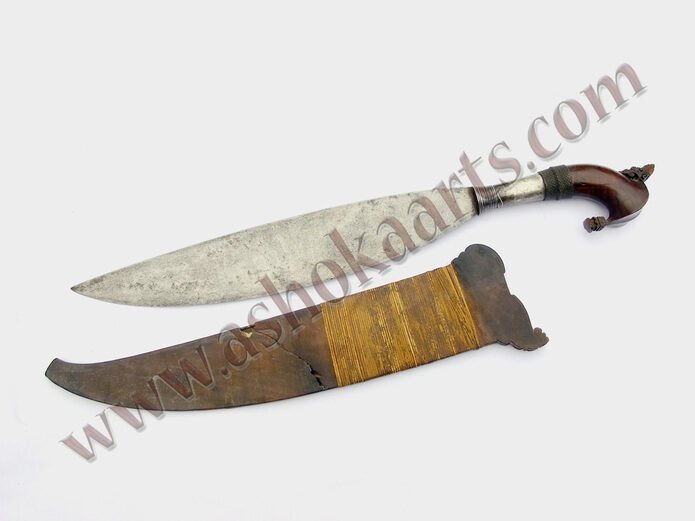
Tagalog swords come in various forms, each designed for specific purposes and reflecting the diverse needs of their users. One of the most iconic is the Kampilan, a long, single-edged sword with a distinctive wide blade and a prominent handguard. The Kampilan was often used in headhunting rituals and as a status symbol among warriors. Another notable type is the Itak, a shorter, more versatile sword used in close combat. These swords were typically crafted with a curved blade, making them effective for slashing and thrusting. The materials used in their construction, such as locally sourced steel and hardwood for hilts, highlight the resourcefulness of Filipino blacksmiths. Understanding the different types of Tagalog swords and their features allows enthusiasts to appreciate the diversity and ingenuity of these weapons.
Cultural Significance of Swords in Tagalog Society
In Tagalog society, swords held profound cultural significance beyond their practical use in combat. They were often imbued with spiritual and symbolic meanings, believed to possess protective qualities or serve as conduits for ancestral power. Swords were frequently used in rituals, such as the Pagmamano greeting, where younger individuals would touch the hand of an elder with the hilt of a sword as a sign of respect. Additionally, swords played a role in traditional dances and ceremonies, symbolizing bravery and honor. The craftsmanship of these swords was passed down through generations, with blacksmiths holding esteemed positions in their communities. By examining the cultural significance of swords in Tagalog society, readers can gain a deeper understanding of how these weapons were woven into the fabric of daily life and spiritual practices.
Practical Applications: Martial Arts and Modern Replicas
Today, the legacy of Tagalog swords lives on through martial arts and the creation of modern replicas. Filipino martial arts, such as Arnis or Kali, incorporate the use of swords and other bladed weapons as part of their training. These martial arts emphasize fluid movements, precision, and adaptability, reflecting the combat techniques of historical warriors. Additionally, enthusiasts and collectors often seek out replicas of Tagalog swords for display or practice, ensuring that the craftsmanship and design of these weapons are preserved. Modern blacksmiths and artisans continue to recreate these swords using traditional methods, often sourcing materials locally to maintain authenticity. For practitioners and historians alike, these swords serve as a tangible connection to the past, bridging the gap between ancient traditions and contemporary practices.
Preservation and Study of Tagalog Swords
The preservation and study of Tagalog swords are crucial for safeguarding cultural heritage and advancing historical knowledge. Museums, academic institutions, and private collectors play vital roles in documenting and showcasing these artifacts. Through careful examination, researchers can uncover details about the metallurgical techniques, cultural influences, and historical contexts that shaped these swords. Additionally, initiatives to restore and replicate these weapons help keep the art of sword-making alive. For enthusiasts, engaging with these efforts—whether through visiting exhibitions, participating in workshops, or supporting artisans—contributes to the ongoing legacy of Tagalog swords. By prioritizing preservation, future generations can continue to learn from and appreciate these remarkable cultural artifacts.
Conclusion
This guide has provided a thorough exploration of the Swords Suit in divination and the rich history of Tagalog swords, offering readers a multifaceted perspective on these topics. From understanding the symbolic meanings of the Swords Suit in tarot to appreciating the craftsmanship and cultural significance of Tagalog swords, you now have a deeper insight into their roles in history and modern practice. Whether your interest lies in divination, martial arts, or cultural heritage, the knowledge gained from this guide equips you to engage more meaningfully with these subjects. As you continue your exploration, consider visiting museums, attending workshops, or even acquiring a replica to further connect with the legacy of these remarkable artifacts.
FAQ
What is the significance of the Swords Suit in tarot?
The Swords Suit represents intellect, conflict, and decision-making, focusing on mental challenges and clarity.
What types of Tagalog swords exist?
Types include the Kampilan, known for its width and length, and the Itak, which is shorter and versatile.
How are Tagalog swords used in modern times?
They are used in martial arts training and as replicas for collectors, preserving traditional craftsmanship.
Leave a Reply