Short Answer
Welcome to a comprehensive guide on Symbolism Symbols & Angel Paths. In this article, you will explore the rich world of angelic symbols, their meanings, and how they intersect with spiritual practices such as Tarot. Whether you are a seasoned spiritual seeker or a curious beginner, this guide will provide valuable insights into the symbolism behind angelic imagery, the significance of angel paths, and how these elements can enhance your spiritual journey. From ancient traditions to modern interpretations, you will discover a wealth of knowledge that connects symbols, spirituality, and personal growth.
Understanding Angel Symbolism
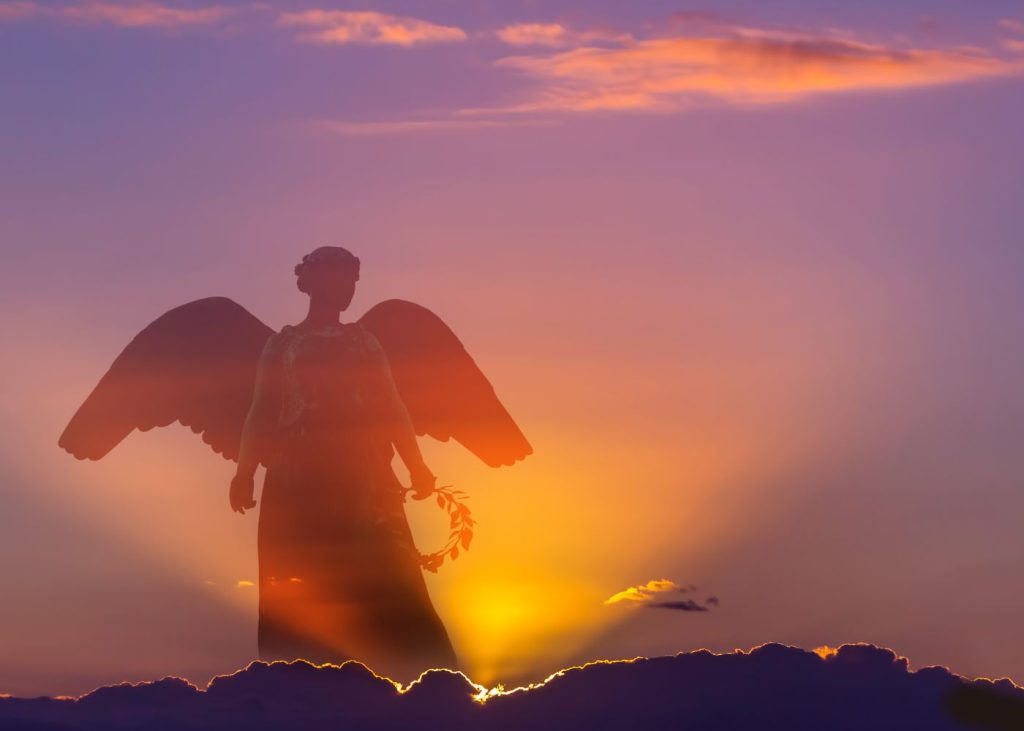
Angel symbolism has been a cornerstone of spiritual and religious traditions for centuries. Angels are often depicted as messengers of divine will, protectors, and guides, embodying qualities such as purity, wisdom, and compassion. These celestial beings are represented through various symbols, each carrying unique meanings and significance. For instance, the wings of an angel symbolize freedom, transcendence, and the ability to move between the earthly and spiritual realms. Halos, another common symbol, represent holiness, enlightenment, and divine light. By understanding these symbols, you can deepen your connection to spiritual concepts and gain insights into the messages they convey.
In many cultures, angels are associated with specific virtues or roles. For example, the archangel Michael is often linked to protection and strength, while Gabriel is known as the messenger of God. These associations are reflected in art, literature, and religious texts, where angels are portrayed as intermediaries between the divine and human realms. By studying angel symbolism, you can uncover layers of meaning that enrich your spiritual practice and provide guidance in your daily life.

Exploring Tarot and Angelic Imagery
Tarot is a powerful tool for divination and self-reflection, and angelic imagery plays a significant role in many Tarot decks. Cards such as The Hierophant, The Star, and The Temperance often feature angelic figures or symbols, each conveying specific spiritual lessons. For example, The Star card, which typically depicts an angel pouring water, symbolizes hope, inspiration, and spiritual guidance. By incorporating angelic imagery into Tarot readings, you can tap into deeper layers of meaning and gain clarity on your spiritual path.
Angel paths, or the symbolic journeys that angels take to deliver messages, are another fascinating aspect of Tarot symbolism. These paths represent the flow of divine energy and the interconnectedness of all things. When you encounter angelic symbols in Tarot, pay attention to their context within the reading. Are they guiding you toward a particular decision? Are they offering protection or reassurance? By interpreting these symbols, you can unlock valuable insights that resonate with your spiritual journey.

Ancient Angel Symbolism and Its Modern Interpretations
Ancient cultures such as the Egyptians, Greeks, and Hebrews revered angelic beings and incorporated their symbols into art, architecture, and religious practices. For example, the Egyptian god Thoth, often depicted with the head of an ibis, was associated with wisdom and divine knowledge—qualities later attributed to angels. Similarly, the Greek goddess Iris, who served as a messenger between gods and humans, shares similarities with angelic figures in later traditions. By studying these ancient symbols, you can trace the evolution of angelic imagery and its enduring significance in modern spirituality.
In contemporary times, angel symbolism has expanded to include new interpretations and uses. For instance, angel symbols are often found in jewelry, tattoos, and home decor, serving as reminders of protection, guidance, and spiritual connection. Modern spiritual practices, such as angel therapy and energy healing, also draw on ancient symbolism to promote healing and well-being. Whether you are drawn to the historical roots of angel symbols or their modern applications, exploring these themes can provide a deeper understanding of their timeless appeal.
Practical Applications of Angel Symbolism
Incorporating angel symbolism into your daily life can be a transformative experience. One practical way to do this is by creating a personal altar or sacred space dedicated to angelic energies. You can adorn this space with symbols such as feathers, candles, or images of angels to invoke their presence and guidance. Meditating on these symbols can also help you connect with their meanings and invite their wisdom into your life.
Another way to engage with angel symbolism is through journaling or creative expression. Write about the symbols that resonate with you and reflect on their significance in your life. You might also create artwork, poetry, or music inspired by angelic themes. These practices can deepen your understanding of the symbols and strengthen your spiritual connection. Additionally, consider exploring angelic symbols in nature, such as finding feathers or encountering animals that symbolize angelic qualities like grace or protection.
Conclusion
Symbolism Symbols & Angel Paths offer a gateway to deeper spiritual understanding and personal growth. By exploring the meanings behind angelic symbols, their connections to Tarot, and their historical roots, you can enrich your spiritual practice and gain valuable insights into your life’s journey. Whether you are drawn to ancient traditions or modern interpretations, angel symbolism provides a rich tapestry of wisdom to explore. Embrace these symbols as tools for guidance, protection, and inspiration, and allow them to illuminate your path toward greater spiritual awareness.
FAQ
What is the purpose of angel symbolism?
Angel symbolism serves as a guide for spiritual practices, enhancing understanding and connection to divine messages.
Can I use angel symbols in my daily life?
Yes, you can incorporate angel symbols into daily rituals, altars, or creative expression to invite their guidance.
Leave a Reply