Short Answer
In this guide, you’ll explore the hidden symbolism and deeper meanings behind tarot art. Whether you’re an artist, collector, or simply curious about tarot’s visual language, you’ll discover how painters embed messages, emotions, and cultural references into their work. From the choice of colors to the positioning of figures, every detail in tarot art tells a story. By the end, you’ll understand how to interpret these elements and appreciate the layers of meaning that make tarot paintings so profound.
The Role of Symbolism in Tarot Art
Tarot art is rich with symbolism, often drawing from mythology, religion, and esoteric traditions. Painters use symbols to convey universal themes like love, death, and transformation. For example, roses may represent beauty or the fleeting nature of life, while swords often symbolize conflict or intellectual challenges. Understanding these symbols is key to unlocking the deeper meanings in tarot art. Many artists also incorporate personal or cultural references, making each piece unique.
Color Psychology in Tarot Paintings
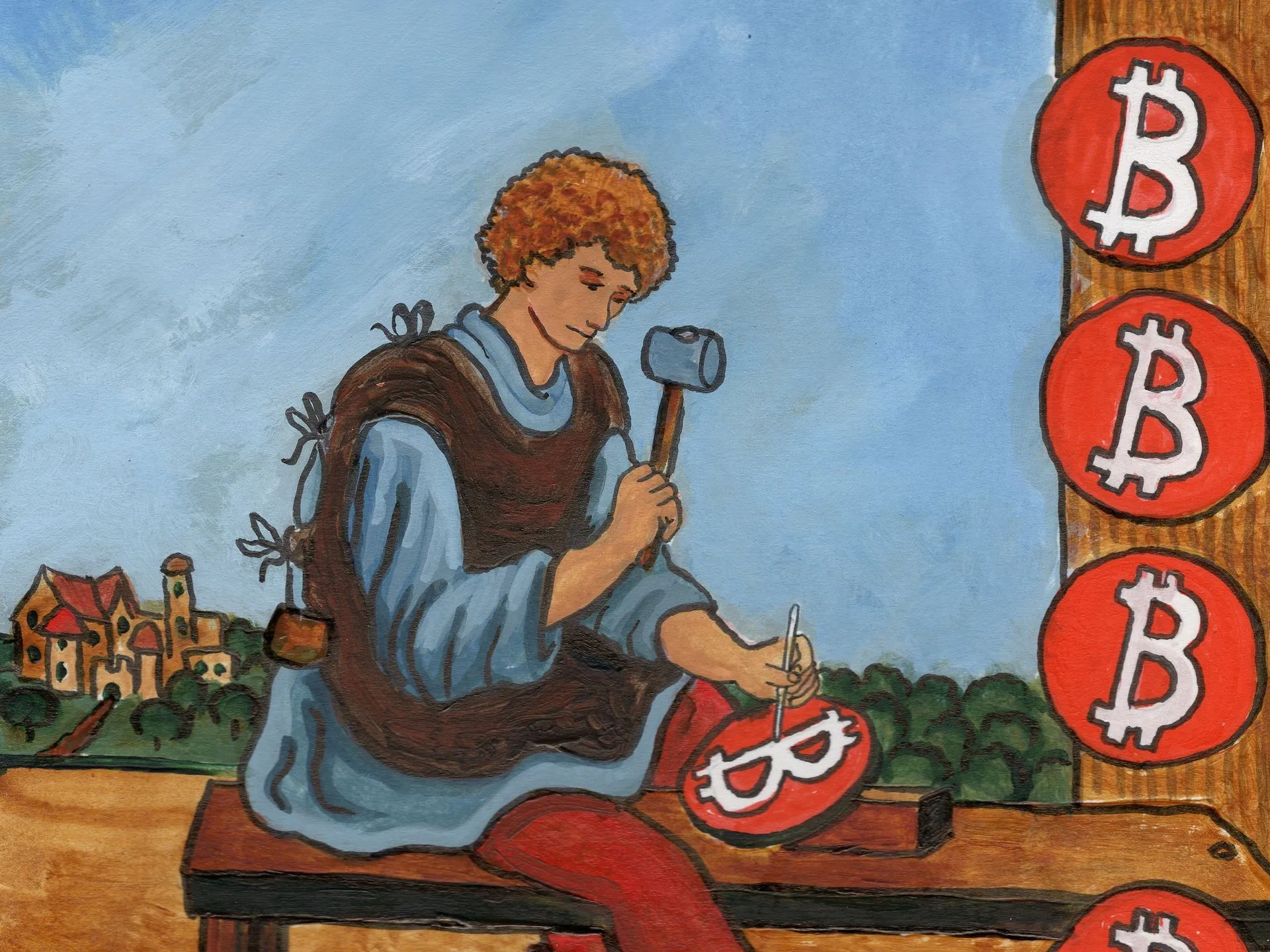
Colors play a crucial role in tarot art, evoking emotions and setting the tone for each card. Warm colors like red and gold often signify passion or power, while cool tones like blue and green may represent calmness or growth. Painters strategically use color to guide the viewer’s interpretation. For instance, a card dominated by dark hues might suggest mystery or impending change, while bright colors could indicate joy or clarity. By analyzing the color palette, you can uncover the artist’s intended message.
Composition and Hidden Narratives
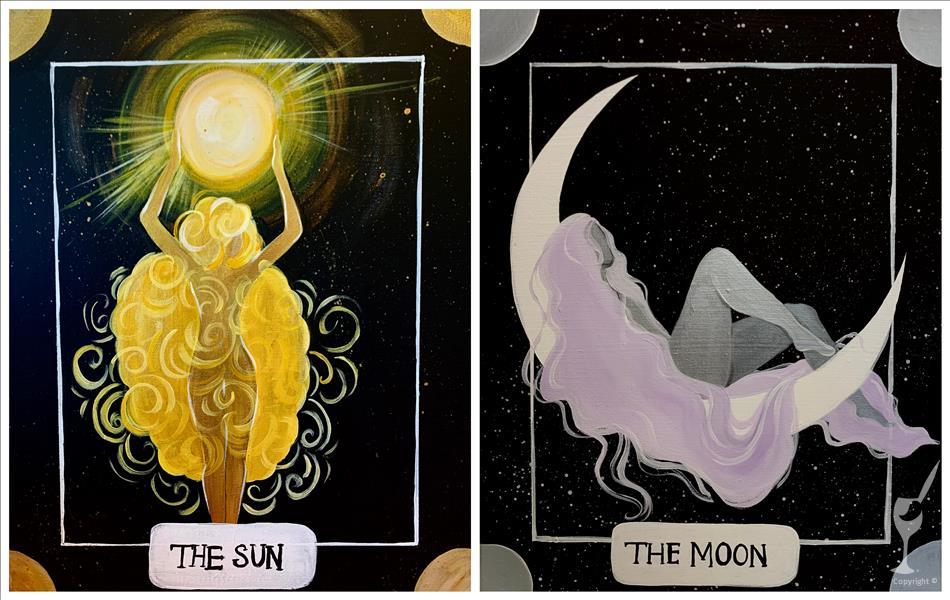
The arrangement of elements in a tarot painting is never random. Painters use composition to tell a story or emphasize certain themes. For example, a figure positioned at the edge of a card might symbolize transition or uncertainty, while a central figure could represent balance or authority. Background details, such as landscapes or celestial bodies, also contribute to the narrative. By studying the composition, you can decode the hidden messages and understand the artist’s perspective on the card’s meaning.

Cultural and Historical Influences in Tarot Art
Tarot art is deeply influenced by cultural and historical contexts. Many traditional decks, like the Rider-Waite, draw from Renaissance art and Christian iconography. Modern artists, however, may blend tarot with contemporary styles or diverse cultural motifs. For instance, a painter might incorporate elements from Japanese woodblock prints or African tribal art. Recognizing these influences helps you appreciate the evolution of tarot art and its global significance.
Interpreting Emotions Through Brushstrokes and Style
The technique used by the artist—whether bold brushstrokes or delicate detailing—can reveal emotional depth. A painter’s style often reflects their interpretation of the card’s theme. For example, impressionistic strokes might convey movement or spontaneity, while precise lines could suggest order or control. By analyzing the artist’s technique, you can gain insight into their emotional connection to the subject and how it shapes the card’s meaning.
Common Themes in Tarot Art Across Different Decks
While each tarot deck is unique, certain themes recur across different interpretations. The Fool card, for instance, often features a figure on the edge of a cliff, symbolizing new beginnings and risk-taking. The Death card may depict a skeleton or a rebirth scene, depending on the artist’s perspective. By comparing these themes across decks, you can identify universal motifs and understand how artists reinterpret traditional tarot imagery.
How to Use Tarot Art for Personal Reflection
Tarot art isn’t just for diviners—it’s a tool for self-reflection and creativity. By studying a card’s imagery, you can explore your own emotions and life experiences. For example, if the Three of Cups resonates with you, it might inspire thoughts about friendship or celebration. Artists often encourage viewers to connect with tarot art on a personal level, making it a versatile medium for introspection and inspiration.
Conclusion
Tarot art is a gateway to deeper understanding, blending symbolism, color, and composition to convey profound messages. Whether you’re drawn to the historical roots of tarot or the emotional power of its imagery, each painting offers a unique perspective. By learning to interpret these elements, you can unlock the hidden meanings in tarot art and appreciate its role as both an artistic and spiritual tool. As you explore further, let the paintings guide you toward new insights and connections.
FAQ
What does tarot art symbolize?
Tarot art symbolizes universal themes such as love, death, and transformation through rich symbolism drawn from mythology and culture.
How can color affect the interpretation of tarot art?
Colors in tarot art evoke emotions and set the tone, with warm colors often signifying passion and cool colors representing calmness.
What role does composition play in tarot art?
Composition in tarot art is used to tell a story, with the arrangement of figures and background elements conveying themes and emotions.
How can one use tarot art for personal reflection?
By studying the imagery and themes of tarot art, individuals can explore their own emotions and experiences, making it a tool for introspection.
Leave a Reply