Short Answer
Welcome to your ultimate guide to tarot card meanings! Whether you’re a curious beginner or a seasoned reader looking to deepen your understanding, this comprehensive resource will serve as your go-to reference. You’ll explore the symbolism, interpretations, and practical applications of each card in the tarot deck. By the end, you’ll be equipped to pose playful questions, interpret spreads, and even challenge your own perceptions of fate and intuition. Let’s dive into the mystical world of tarot and uncover the secrets hidden within its cards.
Understanding the Basics of Tarot
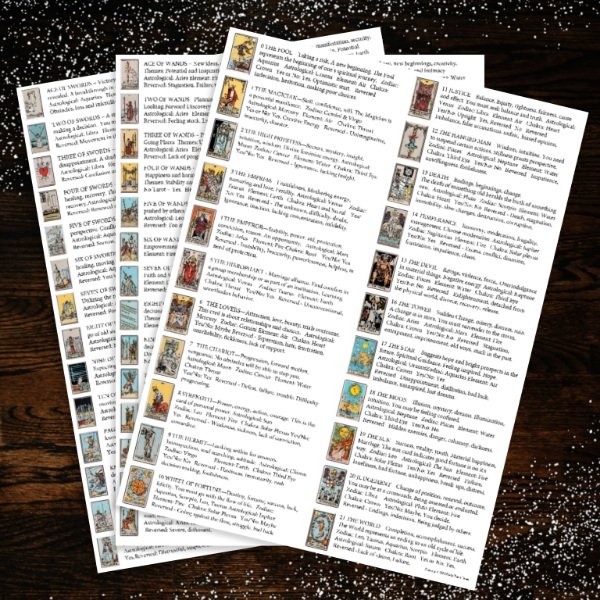
Tarot is more than just a deck of illustrated cards—it’s a tool for self-reflection, divination, and storytelling. The deck consists of 78 cards, divided into two main groups: the Major Arcana and the Minor Arcana. The Major Arcana (22 cards) represents significant life events and spiritual lessons, while the Minor Arcana (56 cards) reflects everyday experiences and challenges. Each card carries its own unique imagery, symbolism, and meaning, often rooted in archetypal themes that resonate across cultures and centuries.
To begin your journey, familiarize yourself with the structure of the deck. The Major Arcana cards, such as The Fool, The Magician, and The World, often appear in readings to signify major life transitions or spiritual awakenings. The Minor Arcana is further divided into four suits—Cups, Pentacles, Swords, and Wands—each corresponding to different aspects of life, such as emotions, finances, intellect, and creativity. Understanding these basics will provide a solid foundation for interpreting more complex spreads and readings.
Major Arcana: The Journey of the Soul
The Major Arcana cards tell a story of personal growth and transformation. Each card represents a stage in the hero’s journey, from innocence (The Fool) to enlightenment (The World). For example, The Lovers card often symbolizes choices, relationships, or alignment with one’s true path, while The Tower represents sudden change or upheaval. These cards are powerful tools for exploring life’s big questions and gaining insight into your spiritual path.
When a Major Arcana card appears in a reading, it’s often a sign that you’re being called to pay attention to a significant life lesson or opportunity. For instance, pulling The Chariot might indicate a need for determination and focus to achieve your goals, while The High Priestess suggests tapping into your intuition and inner wisdom. These cards encourage you to embrace change, trust the journey, and recognize the deeper patterns at play in your life.
Minor Arcana: Navigating Everyday Life
The Minor Arcana cards offer a more granular look at the challenges and opportunities you encounter daily. Each suit corresponds to a specific element and area of life: Cups (water, emotions), Pentacles (earth, finances), Swords (air, intellect), and Wands (fire, creativity). For example, the Three of Cups often signifies celebration, friendship, or emotional fulfillment, while the Five of Pentacles may indicate financial struggle or feeling left out in the cold.
To interpret Minor Arcana cards, consider their suit, number, and imagery. Aces represent new beginnings, while court cards (Page, Knight, Queen, King) often reflect personalities or energies at play in your life. For instance, the Knight of Wands might suggest a burst of creative energy or a need for action, while the Queen of Swords could represent clarity, independence, or a sharp mind. These cards help you navigate the ups and downs of daily life with greater awareness and intention.
Reversed Cards: Uncovering Hidden Truths
Reversed tarot cards (those drawn upside down) add another layer of complexity to your readings. They often indicate blocked energy, internal struggles, or areas where you may be resisting change. For example, The Tower reversed might suggest a fear of upheaval or a reluctance to confront difficult truths, while the Six of Cups reversed could point to unresolved childhood issues or nostalgia that’s holding you back.
Interpreting reversed cards requires intuition and context. Sometimes, a reversed card simply highlights a need for introspection or a different perspective. For instance, the Ten of Swords reversed might indicate recovery from a painful experience, while the Page of Wands reversed could suggest a lack of inspiration or hesitation to pursue a new idea. By exploring these nuances, you’ll gain deeper insights into the challenges and opportunities unfolding in your life.
Posing Playful Questions to the Tarot
One of the most enjoyable aspects of tarot is using it to explore playful or thought-provoking questions. Instead of asking yes/no questions, try framing inquiries that encourage reflection and creativity. For example, “What energy should I embrace to attract more joy into my life?” or “How can I overcome my fear of public speaking?” These questions open the door to meaningful insights and guidance from the cards.
When posing questions to the tarot, keep an open mind and avoid leading the cards toward a specific answer. The more neutral and curious your question, the more insightful the response will be. For instance, instead of asking, “Will I get the job?” try, “What do I need to know about my career path right now?” This approach allows the cards to reveal deeper truths and unexpected perspectives, making your readings more enriching and transformative.
The Challenge of Interpretation: Trusting Your Intuition
While guidebooks and online resources are helpful, the most powerful tarot readings come from your own intuition. Each card’s imagery and symbolism can evoke different emotions and interpretations based on your personal experiences. For example, The Moon might resonate with one person as a sign of intuition and mystery, while another might see it as a warning of deception or confusion.
To develop your intuitive skills, spend time studying the cards and meditating on their meanings. Notice which images or symbols stand out to you and how they make you feel. Over time, you’ll develop a personal connection to the deck that goes beyond traditional interpretations. Remember, there’s no single “right” way to read tarot—your unique perspective is what makes your readings valuable and authentic.
Creating Your Own Tarot Spreads
While traditional spreads like the Celtic Cross offer structured guidance, creating your own spreads can be a fun and empowering way to explore specific questions or situations. Start by identifying the core themes or challenges you want to address, then design a spread that reflects those areas. For example, a simple three-card spread might explore past influences, present circumstances, and future possibilities, while a more complex spread could delve into relationships, career, and personal growth.
When designing your spread, consider the number of cards and their positions. You might use a 1-card pull for quick insights, a 3-card spread for clarity, or a 7-card spread for a deeper dive into a situation. Don’t be afraid to experiment and refine your spreads over time. The key is to create a structure that resonates with you and helps you uncover the answers you’re seeking.
Conclusion
Tarot is a dynamic and deeply personal tool that can illuminate your path, challenge your perceptions, and inspire growth. By understanding the Major and Minor Arcana, interpreting reversed cards, and trusting your intuition, you’ll unlock the full potential of your readings. Whether you’re exploring playful questions or navigating life’s complexities, the tarot offers a mirror to your soul and a guide to your journey. Embrace the mystery, stay curious, and let the cards reveal their wisdom one spread at a time.
FAQ
What do the Major Arcana cards represent?
They represent major life events, spiritual lessons, and personal growth stages.
What are the four suits in the Minor Arcana?
Cups (emotions), Pentacles (finances), Swords (intellect), and Wands (creativity).
How should I interpret reversed tarot cards?
Reversed cards often suggest blocked energy, resistance, or the need for introspection.
Can tarot readings be tailored to specific life areas?
Yes, tarot spreads and interpretations can focus on areas such as career, love, money, or personal growth.
Is there a single correct way to read tarot cards?
No, personal intuition and experience shape each reader's interpretation.
Leave a Reply