Short Answer
This guide explores the world of Tarot beyond the Major Arcana, diving into the depths of the 78-card deck. You’ll discover how the Minor Arcana interacts with the Major Arcana, uncover the symbolic layers of the court cards, and understand why the Minor Arcana often feels more relatable in everyday readings. By the end, you’ll see how the full deck weaves together to create a complete narrative of life’s journey.
The Structure of the Tarot Deck: Beyond the Major Arcana
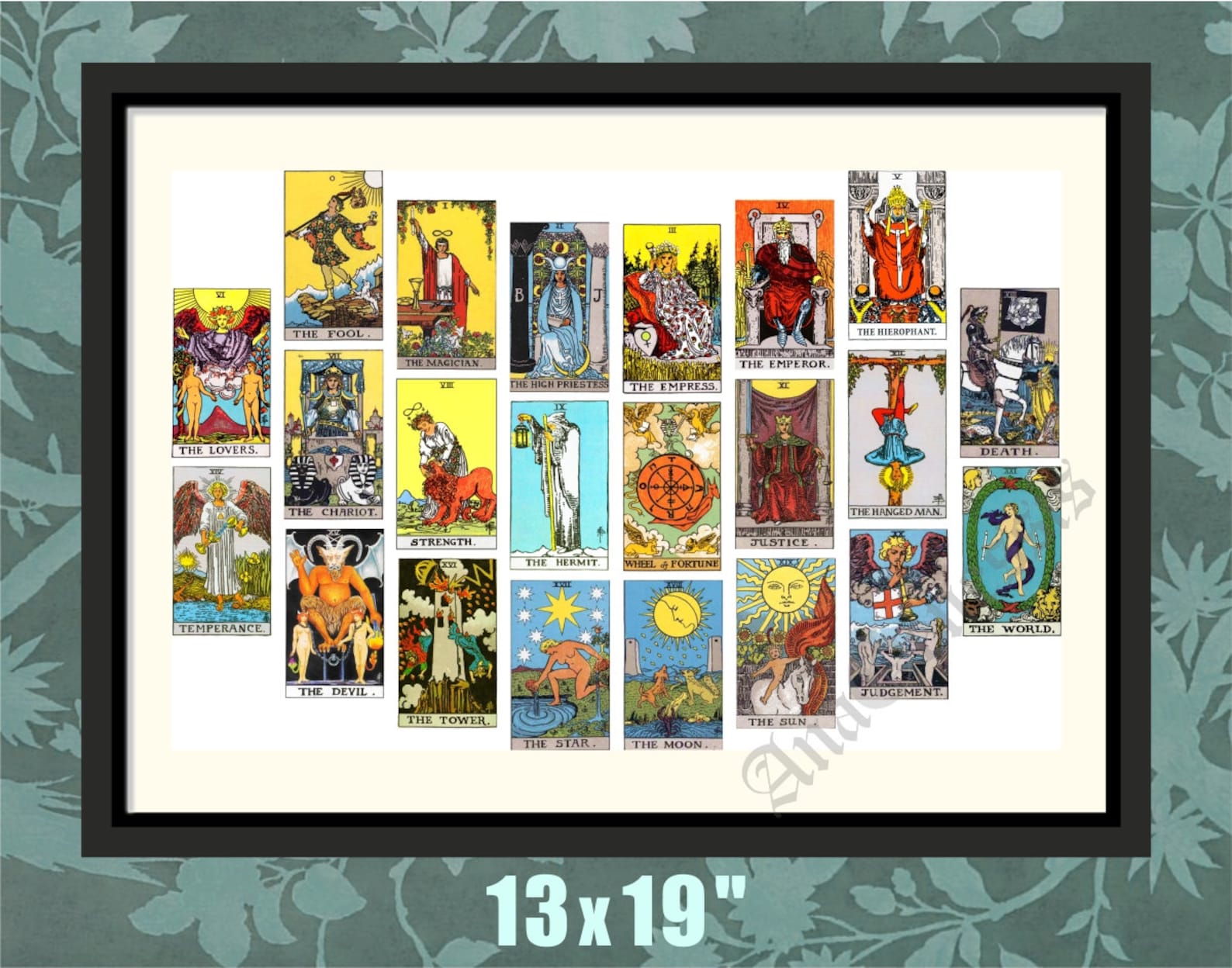
The Tarot deck is divided into two primary sections: the Major Arcana and the Minor Arcana. While the Major Arcana consists of 22 cards representing significant life themes and spiritual lessons, the Minor Arcana comprises the remaining 56 cards, which focus on everyday experiences, challenges, and influences. The Minor Arcana is further divided into four suits—Wands, Cups, Swords, and Pentacles—each corresponding to different aspects of life. Wands relate to creativity and ambition, Cups to emotions and relationships, Swords to intellect and conflict, and Pentacles to material wealth and practicality. Together, these cards provide a granular view of the human experience, offering insights into the nuances of daily life.
Understanding the Minor Arcana: A Closer Look at the Four Suits
Each suit in the Minor Arcana contains 14 cards: Ace through 10, plus four court cards (Page, Knight, Queen, King). The numbered cards reflect stages of development or progression, while the court cards represent personalities, influences, or energies at play. For example, the suit of Cups often highlights emotional states, with the Ace of Cups symbolizing new beginnings in love or creativity, while the Ten of Cups represents emotional fulfillment and harmony. The court cards in Cups might depict individuals who are intuitive, empathetic, or deeply connected to their feelings. Understanding these distinctions allows for more nuanced interpretations in readings, as the suits and their cards can reveal specific areas of focus or concern.

The Court Cards: Personalities, Roles, and Energies
The court cards of the Tarot are often the most intriguing yet challenging to interpret. Unlike the numbered cards, which follow a linear progression, court cards represent archetypal energies that can manifest in various ways. The Pages, for instance, often symbolize students, messengers, or beginners in a particular area of life, while the Knights embody action, movement, and sometimes impulsiveness. Queens and Kings represent mature, balanced expressions of their suit’s energy—Queens as nurturing and receptive, and Kings as authoritative and decisive. A common observation is that court cards can reflect people in the querent’s life, but they can also signify internal traits or external influences. For example, the Knight of Swords might indicate a fast-moving, assertive energy, while the Queen of Pentacles could represent someone who is nurturing and financially stable. Learning to read court cards requires flexibility and an understanding of their dual nature as both external figures and internal states.
Why the Minor Arcana Feels More Relatable
Many people find the Minor Arcana more relatable than the Major Arcana because it mirrors the everyday ups and downs of life. While the Major Arcana deals with grand, life-altering events—such as The Fool’s journey or The Lovers’ union—the Minor Arcana focuses on the smaller, yet equally significant, moments. A reading dominated by the Minor Arcana might highlight issues like communication (Swords), relationships (Cups), career challenges (Pentacles), or creative blocks (Wands). This relatability is why Minor Arcana cards often appear in readings about work, love, or personal growth. The Minor Arcana serves as a reminder that spirituality and magic are not confined to monumental events but are woven into the fabric of daily existence. This accessibility is part of what makes Tarot such a powerful tool for self-reflection and guidance.
The Interplay Between Major and Minor Arcana
While the Major and Minor Arcana serve distinct purposes, their interplay creates a richer, more layered reading. The Major Arcana sets the stage for the querent’s journey, while the Minor Arcana fills in the details. For example, if The Chariot (Major Arcana) appears in a reading, it might indicate a need for determination and focus. The surrounding Minor Arcana cards could then reveal whether the querent is channeling this energy effectively (e.g., through the Six of Wands for success) or struggling with obstacles (e.g., the Five of Swords for conflict). This dynamic allows the reader to see the bigger picture while also addressing specific concerns. The Minor Arcana can also soften or intensify the themes of the Major Arcana. A reading with The Tower (Major Arcana) might feel less ominous if surrounded by supportive Minor Arcana cards like the Three of Cups (celebration) or the Six of Pentacles (generosity).
Common Misconceptions About the Minor Arcana
One of the most common misconceptions about the Minor Arcana is that it is less significant than the Major Arcana. This belief often stems from the dramatic imagery and profound themes of the Major Arcana, which can overshadow the everyday relevance of the Minor Arcana. However, the Minor Arcana is equally vital, as it grounds the spiritual lessons of the Major Arcana in tangible experiences. Another misconception is that the Minor Arcana lacks depth or complexity. In reality, the suits, court cards, and numbered cards each carry rich symbolism and multiple layers of meaning. For instance, the Ten of Swords might initially seem like a card of defeat, but deeper analysis reveals themes of recovery and acceptance. Understanding these nuances requires patience and practice, but it ultimately leads to more insightful and accurate readings.
Practical Applications: Using the Minor Arcana in Readings
The Minor Arcana excels in practical readings, where the querent seeks guidance on specific situations. For example, a career-focused reading might feature Pentacles cards to explore financial stability, ambition, or practical steps toward success. The suit of Swords could highlight communication issues or the need for clear thinking, while Cups might reveal emotional blocks or desires. The court cards can provide clarity on the roles people play in the querent’s life or the querent’s own traits that need attention. To use the Minor Arcana effectively, readers should pay attention to the suit’s elemental associations (fire for Wands, water for Cups, air for Swords, earth for Pentacles) and the card’s numerology. For instance, the number 3 in the Minor Arcana often signifies creativity or collaboration, while the number 7 might indicate introspection or challenges. Combining these elements allows for a more holistic interpretation.
The Psychological and Spiritual Depth of the Minor Arcana
Beyond their practical applications, the Minor Arcana cards hold profound psychological and spiritual significance. Carl Jung’s concept of archetypes aligns closely with the Tarot’s court cards, as they represent universal human experiences and personalities. The Minor Arcana also reflects the cyclical nature of life, with each suit mirroring a season or phase of personal growth. For example, the suit of Wands aligns with the energy of spring and new beginnings, while Pentacles corresponds to the harvest and material stability of autumn. This cyclical perspective encourages querents to view challenges as part of a larger journey rather than isolated events. Additionally, the Minor Arcana can serve as a mirror for the subconscious, revealing hidden fears, desires, or patterns that influence behavior. By engaging with these cards, individuals can gain deeper self-awareness and foster personal transformation.
Conclusion
The Minor Arcana is the heartbeat of the Tarot deck, pulsing with the rhythm of everyday life. While the Major Arcana captures the grand narratives of existence, the Minor Arcana delves into the details—the conversations, the setbacks, the small victories, and the quiet moments of introspection. Its relatability is what makes Tarot accessible to so many, bridging the gap between the mystical and the mundane. By mastering the Minor Arcana, readers unlock a toolkit for navigating life’s complexities with clarity and confidence. Whether used in isolation or alongside the Major Arcana, these 56 cards offer a mirror to the soul, reflecting both the shadows and the light of human experience. The fascination with Tarot endures because it speaks to the universal desire for understanding, guidance, and connection—and the Minor Arcana is where that conversation begins.
FAQ
What is the difference between Major Arcana and Minor Arcana cards?
The Major Arcana consists of 22 cards representing major life themes and spiritual lessons, while the Minor Arcana contains 56 cards that focus on everyday experiences and influences.
What are the four suits of the Minor Arcana and what do they represent?
The four suits are Wands (creativity and ambition), Cups (emotions and relationships), Swords (intellect and conflict), and Pentacles (material wealth and practicality).
Why are court cards important in Tarot readings?
Court cards represent archetypal personalities, energies, or influences and can signify people in the querent’s life or internal traits and states.
Is the Minor Arcana less important than the Major Arcana?
No, the Minor Arcana is equally vital as it grounds the spiritual lessons of the Major Arcana in practical, everyday experiences.
How do Major and Minor Arcana cards interact in readings?
The Major Arcana sets the overall theme or journey, while the Minor Arcana provides details on specific situations, softening or intensifying the message.
Leave a Reply