Short Answer
Embarking on a journey into the world of tarot can feel both exciting and overwhelming. Whether you’re drawn to the mystique of the cards, seeking self-reflection, or simply curious about divination, choosing the right tarot deck is a deeply personal experience. This guide will walk you through everything you need to know about tarot card sets—what to buy, why certain features matter, and how to select a deck that resonates with your intentions. By the end, you’ll feel confident navigating the vast array of options and understand the deeper significance behind your choice.
The Allure of Tarot: Why Are We So Fascinated?
Tarot cards have captivated humanity for centuries, transcending cultures and eras. Their enduring appeal lies in their dual nature: they serve as both a mirror and a window. On one hand, the intricate artwork and symbolic imagery reflect universal human experiences—love, loss, challenge, and triumph. On the other, the cards act as a conduit for intuition, offering guidance that feels uniquely personal. This duality explains why people are drawn to tarot not just as a tool for divination, but as a medium for introspection and spiritual exploration. The fascination with tarot also stems from its adaptability; it can be as simple or as elaborate as the reader desires, making it accessible to beginners and seasoned practitioners alike.
Understanding Tarot Decks: Structure and Components
A standard tarot deck consists of 78 cards, divided into two main groups: the Major Arcana and the Minor Arcana. The Major Arcana comprises 22 cards, each representing significant life themes or spiritual lessons (e.g., The Fool, The Lovers, Death). These cards often carry profound symbolism and can indicate major life events or influences. The Minor Arcana, with 56 cards, mirrors a traditional deck of playing cards and is divided into four suits—Cups, Pentacles, Swords, and Wands—each corresponding to different aspects of daily life. Cups relate to emotions and relationships, Pentacles to material wealth and practicality, Swords to intellect and conflict, and Wands to creativity and passion. Understanding this structure is essential when selecting a deck, as it influences how you interpret the cards and the depth of your readings.
Choosing the Right Tarot Deck: Key Features to Consider
Selecting a tarot deck is a highly individual process, but there are several key features to consider to ensure you find a set that aligns with your needs and aesthetic preferences.
Artwork and Aesthetic
The artwork of a tarot deck is arguably its most defining feature. Some decks, like the Rider-Waite-Smith (one of the most popular), feature rich, symbolic imagery that invites deep interpretation. Others may adopt a minimalist or modern style, appealing to those who prefer clean lines and contemporary designs. Consider what resonates with you visually—whether it’s the classic elegance of traditional decks or the bold, abstract styles of newer collections. The imagery should evoke a sense of connection and inspiration, as you’ll be spending significant time studying and interacting with the cards.
Guidebook and Instructional Materials
A comprehensive guidebook is invaluable, especially for beginners. Look for decks that include detailed explanations of each card’s meaning, as well as sample spreads and interpretations. Some guidebooks offer step-by-step instructions for readings, while others provide historical context or esoteric insights. If you’re new to tarot, prioritize decks with beginner-friendly guidebooks. For more advanced users, decks with minimalist guidebooks or no guidebooks at all (encouraging intuitive interpretation) may be preferable.
Quality and Durability
The physical quality of the cards matters, particularly if you plan to use them frequently. High-quality decks are typically printed on sturdy cardstock with a smooth finish, making them easy to shuffle and handle. Some decks come with linen finishes, which reduce wear and tear, while others may include protective boxes or linen bags for storage. If you’re purchasing online, pay attention to reviews that mention the durability of the cards, as flimsy decks can quickly become damaged with regular use.
Inclusivity and Representation
Modern tarot decks are increasingly embracing diversity and inclusivity, reflecting a broader range of cultures, genders, and identities. Decks like the Modern Witch Tarot or Light Seer’s Tarot feature diverse characters and contemporary themes, making them more relatable to a wider audience. If representation is important to you, seek out decks that align with your values. This not only enhances your personal connection to the cards but also ensures that your readings resonate with a broader spectrum of experiences.
Top Tarot Decks to Consider: A Curated Selection
With countless tarot decks available, narrowing down your options can be challenging. Below are some highly regarded decks, each catering to different preferences and needs.
Classic and Timeless: Rider-Waite-Smith
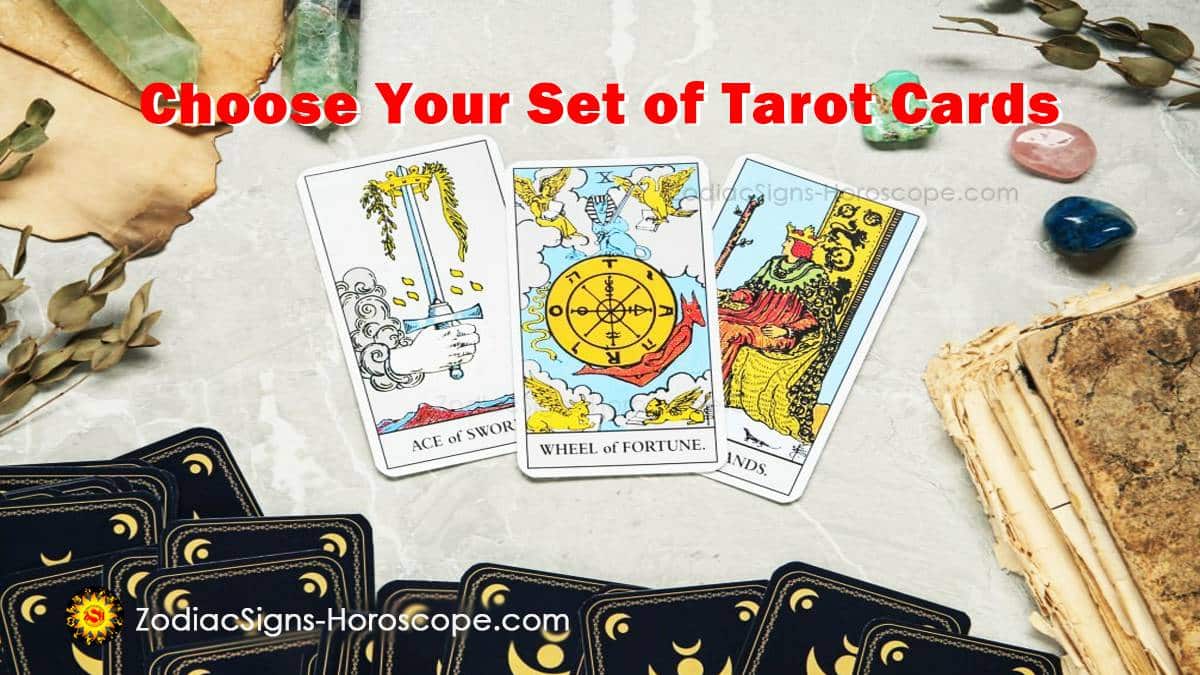
The Rider-Waite-Smith deck is the gold standard for tarot, first published in 1909. Its artwork, created by Pamela Colman Smith under the guidance of A.E. Waite, is rich in symbolism and has inspired countless modern decks. The guidebook is thorough, making it an excellent choice for beginners. This deck’s enduring popularity is a testament to its versatility and depth, appealing to both traditionalists and those exploring tarot for the first time.
Beginner-Friendly: Tarot Cards with Meanings on Them
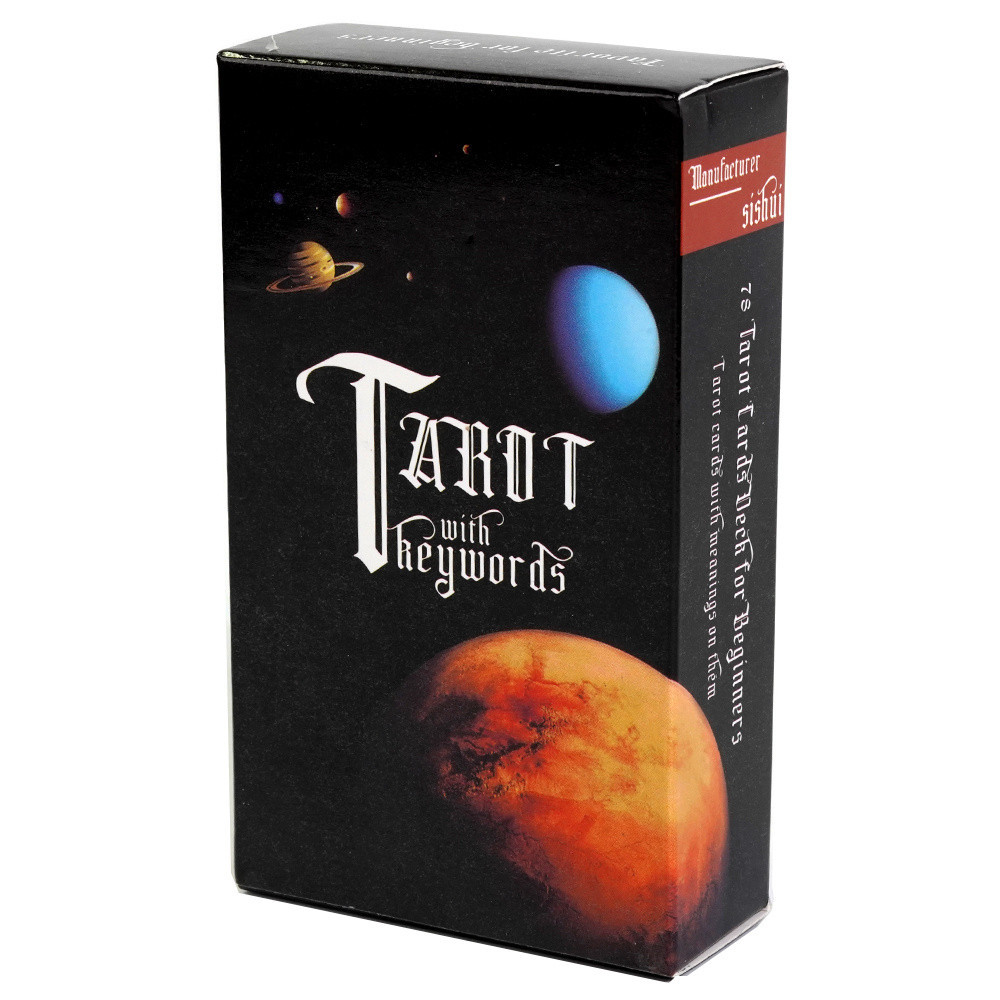
For those new to tarot, decks that include meanings printed directly on the cards can be incredibly helpful. These decks often feature clear, concise interpretations alongside the artwork, reducing the need to constantly refer to a guidebook. This design is ideal for quick learning and building confidence in your readings. Look for decks that balance simplicity with depth, ensuring you’re not overwhelmed by overly complex symbolism.
Premium and Luxurious: Tarot Cards with Guide Book & Linen Carry Bag
If you’re looking for a deck that combines elegance with functionality, consider sets that include a guidebook and a linen carry bag. These decks often feature high-quality cardstock and intricate artwork, making them a joy to use. The linen bag not only protects the cards but also adds a touch of ritual to your tarot practice. This type of set is perfect for those who view tarot as both a spiritual tool and a collectible art piece.

How to Use Your Tarot Deck: Tips for Beginners and Beyond
Once you’ve chosen your tarot deck, the next step is learning how to use it effectively. Here are some essential tips to get started:
Cleansing and Energizing Your Deck
Before using your deck for the first time, it’s important to cleanse and energize the cards. This removes any residual energy from previous owners or the manufacturing process and aligns the deck with your personal energy. Common methods include smudging with sage, placing the cards under moonlight, or using crystals like clear quartz. Choose a method that resonates with you and feels intuitive.
Developing Your Intuition
While guidebooks provide a foundation for understanding the cards, developing your intuition is key to becoming a skilled reader. Start by shuffling the deck and drawing a single card each day. Observe the imagery, colors, and symbols, and note any immediate thoughts or feelings that arise. Over time, you’ll begin to notice patterns and connections that go beyond the traditional meanings, allowing your interpretations to become more personalized and insightful.
Practicing with Spreads
Tarot spreads are layouts that determine how the cards are positioned in a reading. The simplest spread is a single-card pull, ideal for daily reflections. As you gain confidence, experiment with more complex spreads like the Celtic Cross or the Three-Card Spread (past, present, future). Each spread offers a different perspective, helping you explore various aspects of a question or situation. Record your readings in a journal to track your progress and identify recurring themes.
Common Misconceptions About Tarot Cards
Despite its popularity, tarot is often shrouded in misconceptions that can deter newcomers. Addressing these myths can help you approach the practice with a clearer and more open mind.
Tarot Predicts the Future
One of the most pervasive myths is that tarot cards predict the future with absolute certainty. In reality, tarot is a tool for reflection and guidance, not a crystal ball. The cards offer insights into potential outcomes based on current energies and choices, but they do not dictate a fixed future. Your actions and decisions ultimately shape your path, and the cards serve as a compass rather than a map.
Tarot is Evil or Dangerous
Another common misconception is that tarot is associated with dark forces or malevolent energies. This belief stems from cultural and religious stigma, but tarot is inherently neutral. It is a tool for self-awareness and empowerment, and its power lies in the intention of the reader. Whether you approach tarot from a spiritual, psychological, or creative perspective, it can be a force for positive growth.
You Need to Be Psychic to Read Tarot
Many people hesitate to try tarot because they believe it requires psychic abilities. In truth, tarot is accessible to anyone willing to learn and practice. While some readers may have a natural affinity for intuition, most skills are developed through study, observation, and experience. The cards act as a bridge between the conscious and subconscious mind, making them a valuable tool for anyone seeking deeper self-understanding.
Conclusion
Choosing the right tarot deck is a deeply personal journey that blends art, intuition, and intention. Whether you’re drawn to the classic symbolism of the Rider-Waite-Smith deck, the practicality of beginner-friendly sets, or the elegance of premium collections, the key is to select a deck that speaks to you on a profound level. Remember that tarot is more than just a set of cards—it’s a gateway to self-discovery, reflection, and guidance. As you explore the world of tarot, allow yourself to be guided by curiosity and an open heart. With the right deck in hand, you’ll unlock a tool that can illuminate your path, deepen your understanding of yourself, and connect you to the mysteries of the universe.
FAQ
What are tarot cards?
Tarot cards are a set of 78 cards used for divination, offering insights and guidance through symbolic imagery.
How do I choose a tarot deck?
Consider the artwork, guidebook, quality, and representation in the deck to find one that resonates with you personally.
Leave a Reply