Short Answer
Have you ever woken up from a dream where tarot cards appeared, leaving you with a lingering sense of curiosity or even a profound shift in perspective? Dreams featuring tarot cards are more than just random imagery—they can be powerful messages from your subconscious, offering guidance, clarity, and even promises of transformation. In this guide, you’ll explore the mystical connection between tarot cards and dream meanings, uncovering how these visions can serve as a compass for your waking life. You’ll learn how to interpret common tarot symbols in dreams, recognize when a dream tarot reading is a sign of change, and harness these insights to foster personal growth. Whether you’re a seasoned tarot enthusiast or simply intrigued by the idea of dreams as messages, this article will equip you with the tools to decode the secrets hidden within your subconscious.
The Mystical Connection: How Tarot Cards Appear in Dreams
Tarot cards in dreams often emerge as vivid, symbolic representations of your inner thoughts, emotions, and unresolved questions. Unlike waking life, where tarot is typically used as a tool for divination, dreams allow these cards to appear organically, reflecting your subconscious mind’s attempt to communicate. The imagery of tarot in dreams can range from a single card appearing prominently to an entire spread laid out before you, each symbol holding a unique message tailored to your current life circumstances.
One of the most fascinating aspects of dream tarot is its ability to bypass the logical mind. While awake, you might dismiss a tarot reading as mere coincidence or imagination, but dreams operate on a different plane—one where symbols and metaphors take center stage. For example, dreaming of the Fool card could signify a new beginning or a leap of faith you’re being called to take, while the Death card might represent an ending that’s necessary for growth. These symbols are not to be feared but embraced as guides pointing toward deeper self-awareness.
Another key element is the emotional resonance of the dream. If you wake up feeling anxious after seeing the Tower card, it may indicate a fear of sudden change, whereas a dream featuring the Star card could leave you with a sense of hope and inspiration. Paying attention to these emotional cues is essential, as they often reveal the true intent behind the dream’s message.

Decoding Common Tarot Symbols in Dreams
Tarot decks are rich with symbolism, and when these images appear in dreams, they often carry layered meanings. Below are some of the most frequently encountered tarot cards in dreams and their potential interpretations:
- The Magician: A sign that you possess the tools and skills needed to manifest your desires. Your subconscious may be urging you to take action.
- The High Priestess: Represents intuition, hidden knowledge, or a need to trust your inner wisdom. This card often appears when you’re being called to listen to your gut feelings.
- The Lovers: Could symbolize a choice you’re facing, a need for harmony, or a deeper connection with someone in your life.
- The Chariot: Indicates determination and willpower. Dreaming of this card may suggest that you’re on the right path toward achieving a goal.
- The Hermit: A call to introspection or a period of solitude. This card often appears when you need to retreat and reflect on your life’s direction.
- The Wheel of Fortune: Signals a turning point or a cycle coming to an end. It’s a reminder that change is inevitable and often for the better.
It’s important to note that the meaning of a tarot card in a dream can vary based on context. For instance, the Ten of Swords might represent betrayal in one dream but simply a release of old burdens in another. To accurately decode the message, consider the emotions you felt during the dream, the card’s position in the dream (e.g., upright or reversed), and any personal associations you have with the imagery.
When a Dream Tarot Reading is a Promise of Change
One of the most compelling aspects of encountering tarot in dreams is the potential for a promise of transformation. Dreams have a way of preparing us for shifts in our lives, and tarot cards can act as signposts along this journey. For example, dreaming of the Three of Cups might foreshadow a celebration or a reconnection with loved ones, while the Eight of Wands could indicate rapid progress or unexpected news heading your way.
A dream tarot reading often serves as a preview of what’s to come, giving you the chance to align your actions with the energies at play. If you dream of the Justice card, it may be a nudge to make a fair decision or to seek balance in a situation. Alternatively, the Hanged Man could suggest a period of surrender or a need to see things from a different perspective before moving forward.
To discern whether a dream tarot reading is a promise of change, ask yourself:
- What emotions did I feel during the dream?
- Does this card relate to a current situation in my life?
- Am I being called to take a specific action or make a decision?
By answering these questions, you can begin to unravel the deeper meaning behind the dream and use it as a guide for your waking life.
Harnessing Dream Tarot for Personal Growth
Dreams featuring tarot cards are not just fleeting images—they are invitations to grow. By actively engaging with these dreams, you can turn them into powerful tools for self-discovery. Start by keeping a dream journal next to your bed. As soon as you wake up, jot down every detail you can remember, no matter how small. Over time, you’ll start to notice patterns, recurring cards, or themes that offer valuable insights.
Another technique is to perform a “dream tarot pull” upon waking. Close your eyes and ask your subconscious for clarity on a specific question or area of your life. Then, randomly select a tarot card (either from a physical deck or by imagining one) and reflect on how its symbolism might relate to your dream. This practice can help bridge the gap between the dream world and your waking reality.
It’s also beneficial to meditate on the cards that appear in your dreams. Visualize the card and ask yourself what message it holds for you. You might even draw the card in a waking tarot spread to explore its meaning further. For instance, if you dreamed of the Strength card, you could pull a card to see what inner qualities you need to cultivate to embody that strength in your daily life.
Common Misconceptions About Dream Tarot
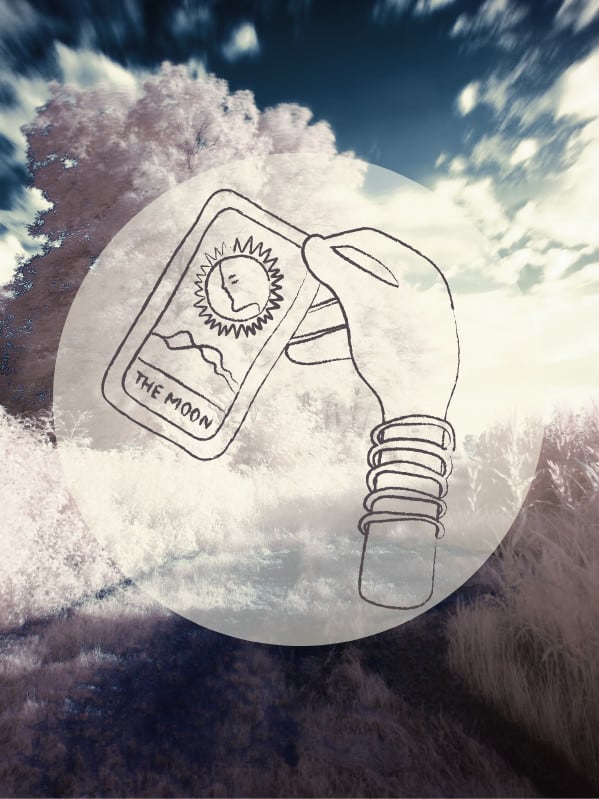
Despite the growing interest in dream tarot, several misconceptions can cloud its interpretation. One of the most prevalent is the belief that every tarot card in a dream must have a literal meaning. In reality, dreams are highly personal, and the same card can hold different significance for different people. For example, the Moon card might represent intuition for one dreamer but fear for another. Always consider your unique associations with the imagery.
Another misconception is that dream tarot is only for those who believe in divination. While tarot is often associated with psychic practices, its appearance in dreams is more about symbolism and the subconscious mind. Even if you don’t consider yourself spiritual, the messages in your dreams can still offer valuable insights into your emotions, fears, and aspirations.
Some people also assume that a dream tarot reading must be negative if it includes “scary” cards like the Devil or Ten of Swords. However, these cards often serve as wake-up calls, highlighting areas of your life that need attention or transformation. The key is to approach these dreams with an open mind and a willingness to explore their deeper messages.
Conclusion
Tarot cards appearing in dreams are far more than random symbols—they are messages from your subconscious, offering guidance, promises of change, and invitations to shift your perspective. By learning to decode these symbols, you can unlock a deeper understanding of your inner world and the path ahead. Whether you’re drawn to the mystical allure of tarot or simply curious about the messages hidden in your dreams, embracing this connection can lead to profound personal growth. Start by paying closer attention to your dreams, journaling your experiences, and reflecting on the cards that appear. Over time, you’ll discover that these nocturnal visions are not just fleeting images but powerful tools for transformation. The next time a tarot card graces your dream, remember: it’s not just a card—it’s a promise, a guide, and an opportunity to see your life—and yourself—in a new light.
FAQ
What does it mean to dream of tarot cards?
Dreaming of tarot cards often signifies messages from your subconscious, offering guidance and insights into your life circumstances.
How can I interpret tarot cards in my dreams?
Consider the specific card, your emotions during the dream, and any personal associations to decode its meaning.
Is dream tarot only for spiritual people?
No, dream tarot can provide insights for anyone, regardless of their beliefs about divination.
Leave a Reply