Short Answer
Welcome to your comprehensive guide on Tarot Lists and Yes/No interpretations. Whether you’re a seasoned tarot reader or a curious beginner, this article will help you understand which tarot cards indicate a “yes,” which suggest a “no,” and how to interpret their meanings in different contexts. You’ll learn about the structure of yes/no tarot readings, the significance of card positions, and how to trust your intuition when interpreting the cards. By the end, you’ll have the tools to perform accurate and insightful yes/no tarot readings for yourself and others.
Understanding Yes/No Tarot Readings
Yes/No tarot readings are a simplified form of divination designed to provide clear, direct answers to specific questions. Unlike traditional tarot spreads that offer detailed narratives, yes/no readings focus on binary outcomes—either “yes,” “no,” or sometimes “maybe.” These readings are particularly useful when you need quick guidance on decisions, such as career choices, relationships, or life paths. The key to a successful yes/no reading lies in the interpretation of individual cards and their positions within the spread.
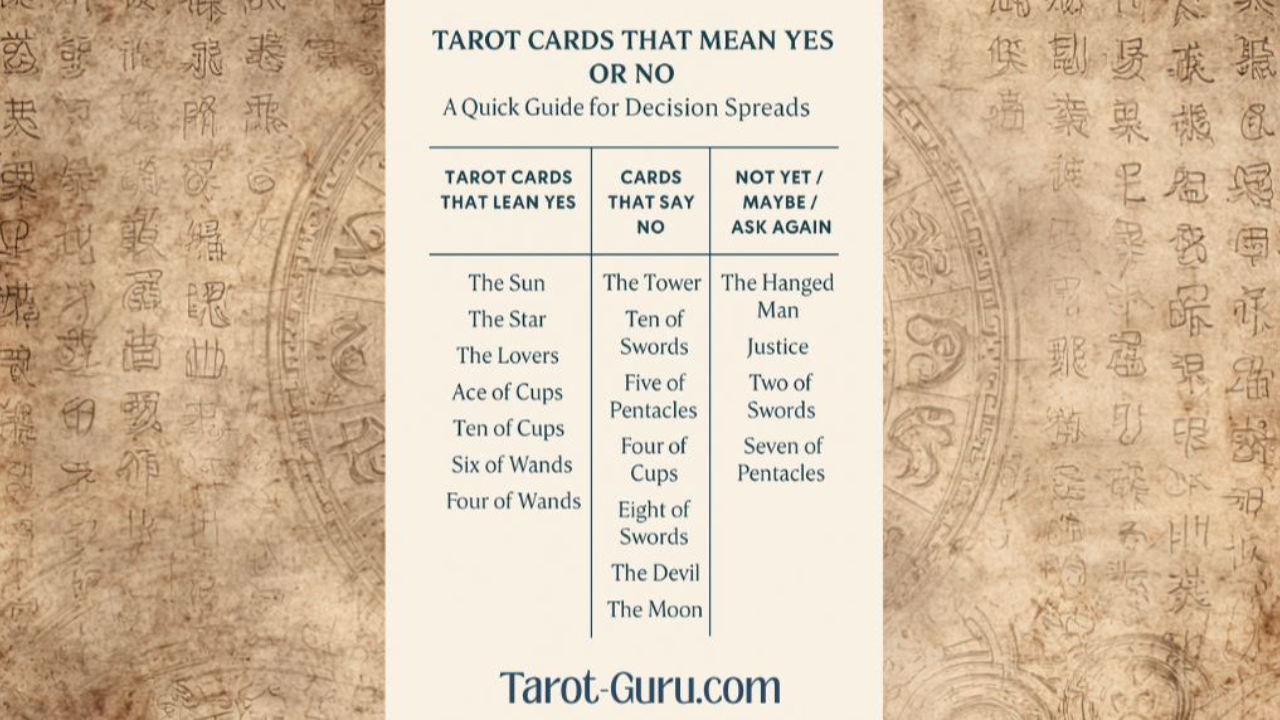
In a yes/no tarot reading, each card drawn corresponds to a specific answer. Typically, cards like The Sun, The World, or The Ace of Wands are considered strong “yes” indicators, while cards like The Tower, The Ten of Swords, or The Five of Cups often signify a “no.” Neutral cards, such as The Wheel of Fortune or The Four of Pentacles, may suggest a “maybe” or indicate that the situation is still unfolding. Understanding these associations is the first step toward mastering yes/no tarot readings.
Key Tarot Cards That Say Yes
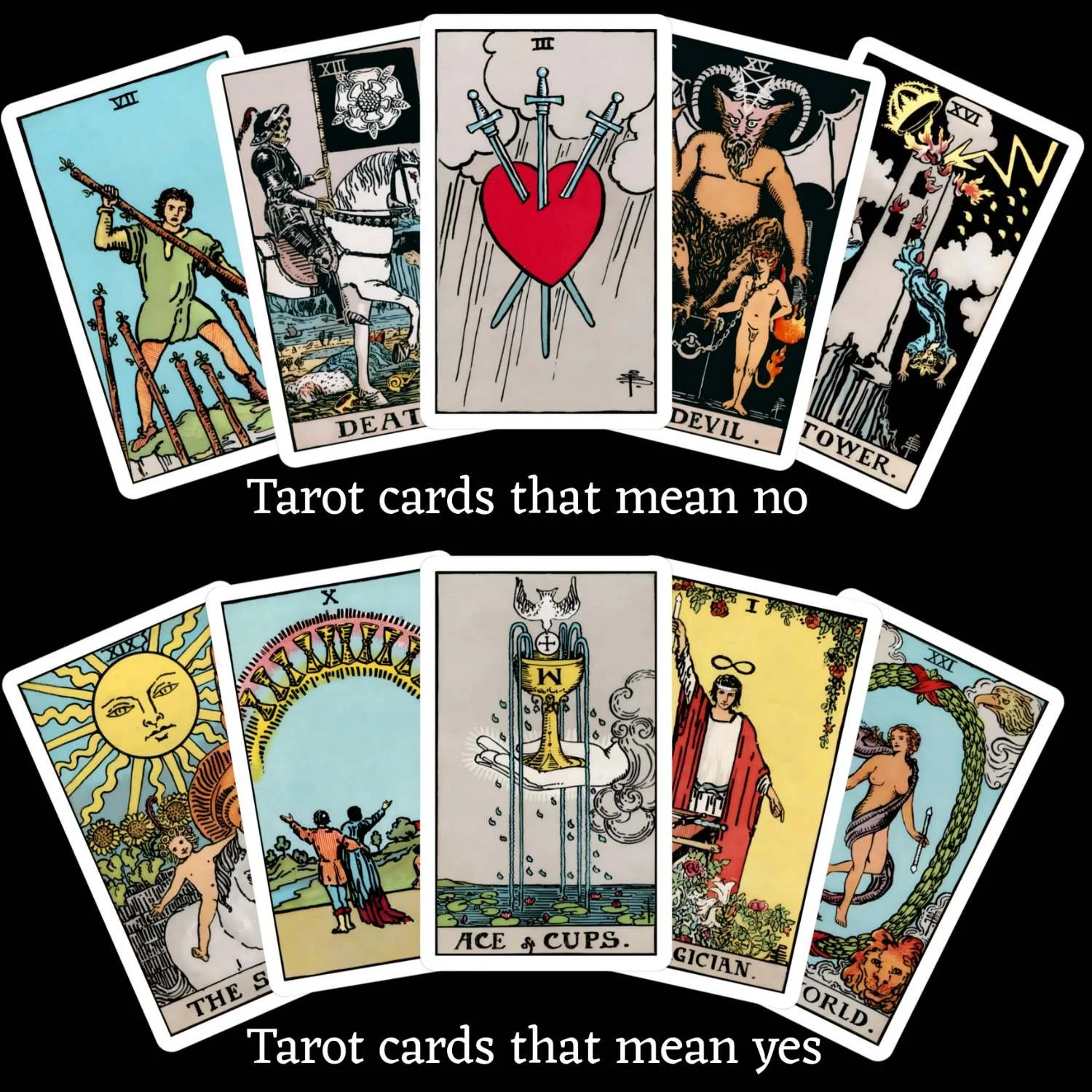
Certain tarot cards are universally recognized as positive or affirmative answers in yes/no readings. These cards often carry uplifting, energetic, or expansive meanings that align with a “yes” response. Here are some of the most powerful “yes” cards:
- The Sun: A radiant card symbolizing joy, success, and vitality. When The Sun appears in a yes/no reading, it strongly suggests that the answer is “yes.” It indicates clarity, positivity, and favorable outcomes.
- The World: Representing completion, fulfillment, and wholeness, The World is another powerful “yes” card. It suggests that the querent is on the right path and that their goals are within reach.
- The Ace of Wands: This card embodies new beginnings, inspiration, and creative energy. In a yes/no context, it signals a “yes” with a burst of enthusiasm and potential for growth.
- The Six of Cups: A card of nostalgia, harmony, and positive memories. When drawn, it often indicates a “yes,” especially in matters related to relationships or emotional fulfillment.
- The Three of Pentacles: Symbolizing teamwork, collaboration, and mastery, this card suggests that the answer is “yes” when the question involves joint efforts or skill development.
Tarot Cards That Indicate No
Just as some cards are clear “yes” indicators, others strongly suggest a “no” in yes/no tarot readings. These cards often carry challenging or restrictive energy, signaling obstacles, delays, or unfavorable outcomes. Here are the most common “no” cards:
- The Tower: A card of sudden change, upheaval, and chaos. When The Tower appears, it typically indicates a “no,” warning the querent of potential disruptions or unexpected challenges.
- The Ten of Swords: Representing betrayal, failure, or hitting rock bottom, this card is a strong “no” in most contexts. It suggests that the situation may not turn out as hoped.
- The Five of Cups: A card of loss, regret, and disappointment. In a yes/no reading, it often signals a “no,” especially when the question involves emotional fulfillment or recovery.
- The Three of Swords: Symbolizing heartbreak, sorrow, and separation, this card is a clear “no” in matters of love or relationships.
- The Knight of Swords: While energetic, this card can indicate impulsiveness or recklessness. In a yes/no context, it may suggest that the answer is “no” due to hasty decisions or lack of preparation.
Neutral and Maybe Cards
Not all tarot cards fit neatly into “yes” or “no” categories. Some cards are neutral or ambiguous, suggesting that the answer is uncertain or that the situation is still developing. These cards often require deeper reflection or additional context to interpret accurately. Here are a few examples:
- The Wheel of Fortune: This card represents cycles, fate, and change. In a yes/no reading, it may indicate that the answer is “maybe” or that the outcome depends on external factors.
- The Four of Pentacles: Symbolizing stability, control, and holding onto resources, this card suggests a “maybe.” It may indicate that the querent needs to release control or reconsider their approach.
- The Two of Cups: A card of partnership and mutual attraction, it often suggests a “maybe” in yes/no readings, especially when the relationship is still in its early stages.
- The Page of Cups: Representing intuition, creativity, and emotional messages, this card may indicate a “maybe,” urging the querent to trust their instincts before making a decision.
.jpg)
How to Structure a Yes/No Tarot Reading
Performing a yes/no tarot reading involves more than just drawing a single card. The structure of the spread can influence the depth and accuracy of the answer. Here’s a simple yet effective way to structure your yes/no reading:
- Define Your Question: Start by formulating a clear, specific question. Avoid vague or overly broad questions, as they can lead to unclear answers.
- Choose Your Spread: A common yes/no spread involves drawing three cards: one for the past, one for the present, and one for the future. Alternatively, you can use a single-card draw for quick answers.
- Interpret the Cards: Analyze each card’s position and meaning. For example, if the past card is The Tower and the present card is The Sun, it may indicate that a challenging situation (The Tower) has led to a positive outcome (The Sun).
- Trust Your Intuition: While guidebooks and lists are helpful, your intuition plays a crucial role in interpreting the cards. Pay attention to your immediate reactions and feelings when drawing the cards.
- Consider Reversed Cards: Reversed cards can alter the meaning of a yes/no reading. For example, The Lovers reversed may indicate disharmony, while The Magician reversed could suggest manipulation or wasted potential.
Common Mistakes to Avoid in Yes/No Readings
Even experienced tarot readers can make mistakes when performing yes/no readings. Here are some common pitfalls to avoid:
- Overgeneralizing Card Meanings: While certain cards are typically “yes” or “no,” their meanings can shift depending on the context of the question. Always consider the surrounding cards and the querent’s situation.
- Ignoring Card Combinations: Drawing multiple cards can provide deeper insights. For example, The Chariot followed by The Hermit may suggest that success (The Chariot) requires patience and introspection (The Hermit).
- Relying Solely on Guidebooks: While guidebooks are useful, they shouldn’t replace your intuition. Trust your inner guidance when interpreting the cards.
- Asking Leading Questions: Phrasing your question in a way that assumes a specific answer can skew the reading. Keep your questions open-ended and neutral.
- Neglecting the Querent’s Energy: The energy and emotions of the person asking the question can influence the reading. Ground yourself before the reading and encourage the querent to focus on their question.
Conclusion
Yes/No tarot readings offer a straightforward and accessible way to gain clarity on life’s pressing questions. By understanding the meanings of individual cards and how they interact in a spread, you can provide accurate and insightful guidance. Remember that tarot is a tool for reflection, and its power lies in your interpretation and intuition. Whether you’re seeking answers about love, career, or personal growth, the tarot can serve as a valuable companion on your journey.
As you practice and refine your skills, you’ll develop a deeper connection with the cards and a greater trust in your intuitive abilities. Keep a tarot journal to track your readings and observe patterns over time. With patience and dedication, you’ll become proficient in yes/no tarot readings, empowering yourself and others to make informed decisions with confidence.
FAQ
What is a Yes/No tarot reading?
A Yes/No tarot reading is a straightforward form of divination that provides clear answers to specific questions using tarot cards.
Which tarot cards indicate a 'yes'?
Cards like The Sun, The World, and The Ace of Wands are considered strong ‘yes’ indicators in tarot readings.
What are common mistakes in Yes/No tarot readings?
Common mistakes include overgeneralizing card meanings, ignoring card combinations, and asking leading questions.
Leave a Reply