Short Answer
Tarot cards have captivated minds for centuries, blending art, mysticism, and psychology into a single deck. Whether you’re a curious beginner or a seasoned enthusiast, understanding the deeper meanings behind each card can unlock profound insights into your life, relationships, and personal growth. This guide will explore the symbolism, interpretations, and hidden messages within the Major and Minor Arcana, helping you decipher what the cards are truly trying to tell you. By the end, you’ll gain clarity on how tarot serves as a mirror to your subconscious, offering guidance and reflection in times of uncertainty.
The History and Symbolism of Tarot Cards
Tarot cards originated in 15th-century Europe as playing cards, but their mystical significance evolved over time. By the 18th century, occultists like the Hermetic Order of the Golden Dawn began associating tarot with esoteric wisdom, linking the cards to astrology, numerology, and Kabbalah. Today, tarot decks—such as the Rider-Waite-Smith—feature rich symbolism, from the Fool’s journey to the towering figures of the Major Arcana.
The Major Arcana (22 cards) represents life’s grand themes—birth, death, love, and transformation—while the Minor Arcana (56 cards) mirrors everyday experiences, divided into four suits: Cups (emotions), Pentacles (material world), Swords (intellect), and Wands (creativity). Each card’s imagery, from the High Priestess’s moon to the Death card’s skeletal figure, carries layers of meaning, inviting you to explore beyond surface interpretations.
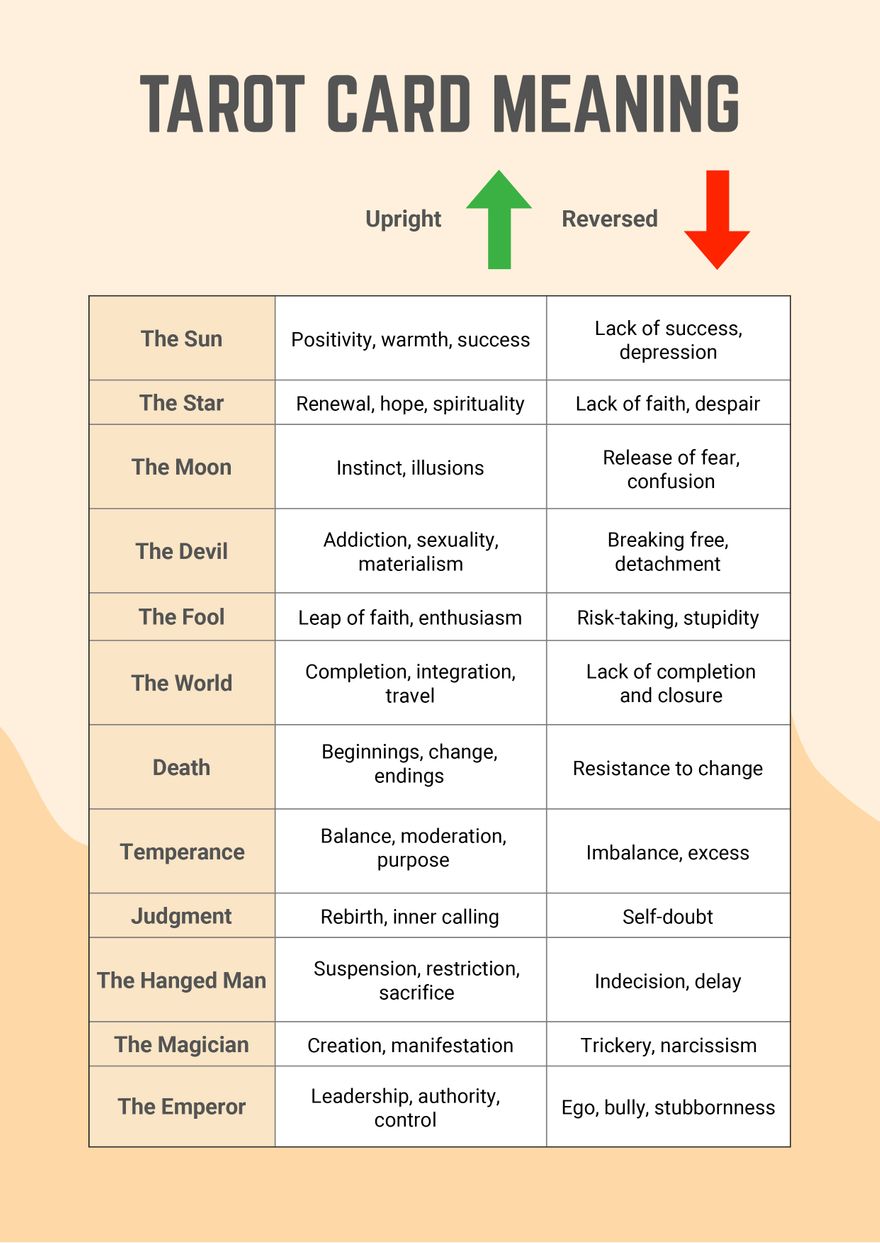
Decoding the Major Arcana: Life’s Spiritual Journey
The Major Arcana acts as a narrative arc, outlining the Fool’s path from innocence (The Fool, card 0) to enlightenment (The World, card 21). Each card marks a pivotal moment in this journey, reflecting universal human experiences. For example:
- The Magician (I): Represents manifestation, skill, and harnessing personal power. It suggests you have the tools to create your reality but must take action.
- The High Priestess (II): A call to trust your intuition and inner wisdom. She sits between the pillars of light and dark, urging you to look beyond the obvious.
- The Lovers (VI): Beyond romance, this card symbolizes choices, harmony, and alignment with your higher self. It may indicate a decision between heart and logic.
- The Tower (XVI): Often feared, this card signifies sudden upheaval that clears the way for growth. It’s a wake-up call to release what no longer serves you.
Understanding these cards helps you recognize patterns in your life. Are you resisting change (The Hermit) or avoiding confrontation (The Eight of Swords)? The Major Arcana holds the answers.
Navigating the Minor Arcana: Everyday Lessons and Challenges
While the Major Arcana deals with life’s big questions, the Minor Arcana reflects daily trials and triumphs. Each suit corresponds to an element and a facet of human experience:
- Cups (Water, Emotions): Cards like the Three of Cups (celebration) or the Five of Cups (loss) highlight emotional states. A reversed Three of Cups might warn against overindulgence or superficial connections.
- Pentacles (Earth, Material World): The Ten of Pentacles (legacy) or the Ace of Pentacles (new opportunities) focus on finances, health, and stability. A reversed Five of Pentacles could signal financial stress or feeling unsupported.
- Swords (Air, Intellect): The Ace of Swords (clarity) or the Seven of Swords (deception) revolve around thoughts, conflicts, and decisions. A reversed Knight of Swords may indicate impulsive words or actions.
- Wands (Fire, Creativity): The Three of Wands (expansion) or the Nine of Wands (resilience) channel passion, ambition, and inspiration. A reversed Six of Wands might reflect self-doubt after a setback.
Context matters—whether upright or reversed, the Minor Arcana cards reveal nuances. For instance, the Eight of Cups (walking away) could mean leaving a toxic relationship or pursuing a spiritual quest, depending on surrounding cards.

Common Misconceptions and Why Tarot Fascinates Us
Many dismiss tarot as mere fortune-telling, but its power lies in self-reflection. A common observation is that tarot “predicts” the future, yet it’s more about revealing subconscious patterns. For example, pulling the Death card doesn’t foretell literal demise—it signals transformation, urging you to shed old habits.
Another fascination stems from tarot’s universality. No matter your background, the cards’ archetypes resonate because they tap into collective human experiences. The Chariot (determination) or Temperance (balance) feel familiar because we’ve all faced obstacles or sought harmony. This relatability explains why tarot remains relevant in modern therapy, art, and decision-making.
Skeptics often question tarot’s validity, but its effectiveness lies in the observer effect. When you pull a card like the Nine of Swords (anxiety), the act of naming your fear can lessen its grip. Tarot acts as a catalyst for introspection, helping you confront what you’ve been avoiding.
Practical Tips for Reading Tarot Cards
Learning tarot is a journey—start with a deck that resonates (e.g., Rider-Waite for beginners) and study one card at a time. Keep a journal to track interpretations and synchronicities. For example, if the Six of Pentacles (generosity) appears repeatedly, it might highlight your relationship with giving or receiving.
When reading, focus on the card’s imagery first. What stands out? A crying figure in the Three of Cups reversed might suggest unspoken emotions in a friendship. Then, consider numerology (e.g., even numbers = stability, odd = change) and elemental associations (fire = passion, water = intuition).
Spreads matter too. A simple three-card spread (past-present-future) offers clarity, while a Celtic Cross provides depth. Don’t overcomplicate—even a single-card pull can offer profound insight when you’re open to its message.
Conclusion
Tarot is far more than a divination tool—it’s a language of symbols that speaks to the soul. By understanding the Major and Minor Arcana, you’ll uncover layers of meaning in every shuffle, from the joy of the Sun card to the introspection of the Hermit. Whether you seek guidance, validation, or a mirror to your inner world, tarot invites you to explore the unseen forces shaping your life.
The cards don’t hold all the answers; they reflect the questions you’re ready to ask. As you deepen your practice, you’ll find that tarot’s true magic lies in its ability to illuminate paths you’ve overlooked—and empower you to walk them with confidence.
Leave a Reply