Short Answer
Welcome to your ultimate resource for understanding tarot card meanings! Whether you’re a complete beginner or looking to deepen your knowledge, this guide is designed to provide clear, practical insights into the world of tarot. You’ll discover how to interpret cards, explore different types of spreads, and learn how tarot can be a powerful tool for self-reflection and decision-making. By the end, you’ll have the confidence to read tarot cards for yourself and others with clarity and purpose.
Understanding the Basics of Tarot
Before diving into card meanings, it’s essential to grasp the fundamentals of tarot. A standard tarot deck consists of 78 cards divided into two main groups: the Major Arcana and the Minor Arcana. The Major Arcana contains 22 cards, each representing significant life themes, spiritual lessons, or archetypal energies. These cards often signify major life events or deep personal growth. The Minor Arcana, on the other hand, includes 56 cards divided into four suits—Cups, Pentacles, Swords, and Wands—each reflecting everyday experiences and challenges. Understanding this structure will help you navigate the deck with ease and recognize the context of each card’s message.
Interpreting the Major Arcana
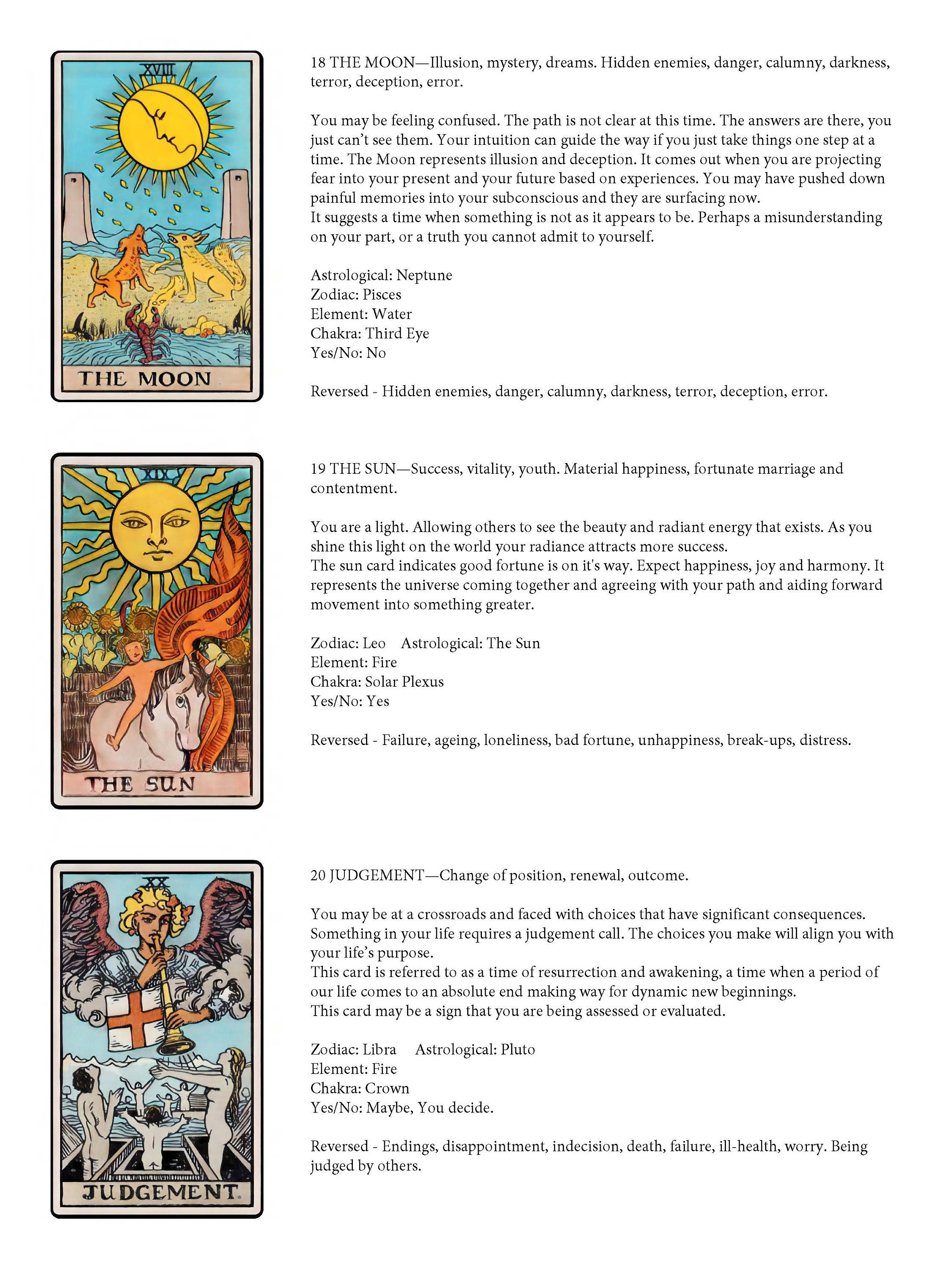
The Major Arcana cards are the heart of tarot, offering profound insights into your life’s journey. Each card carries a unique symbolism and message. For example, The Fool represents new beginnings, spontaneity, and a leap of faith, while The Magician embodies manifestation, skill, and resourcefulness. Cards like The Lovers and Death often spark curiosity due to their dramatic imagery, but they typically symbolize choices, transformation, and rebirth rather than literal events. To interpret these cards effectively, pay attention to their traditional meanings, but also consider how they resonate with your current situation. Ask yourself: What emotions or thoughts arise when I see this card? How does it relate to my life right now?
Exploring the Minor Arcana Suits
The Minor Arcana suits—Cups, Pentacles, Swords, and Wands—each correspond to different aspects of life. Cups are associated with emotions, relationships, and intuition, making them ideal for exploring matters of the heart. Pentacles focus on material wealth, career, and practicality, offering insights into finances and stability. Swords delve into intellect, communication, and conflict, often highlighting challenges or decisions that require clarity. Lastly, Wands represent creativity, passion, and personal growth, encouraging you to pursue your ambitions. Within each suit, numbered cards (Ace through 10) and court cards (Page, Knight, Queen, King) add layers of meaning. For instance, the Three of Cups might suggest celebration and friendship, while the Five of Pentacles could indicate financial struggle or feeling left out in the cold.
Decoding Court Cards: Personalities and Energies
Court cards in the Minor Arcana can be some of the trickiest to interpret, as they often represent people, personality traits, or energies rather than specific situations. Each court card embodies a unique combination of suit and rank. For example, the Queen of Swords might symbolize a sharp-witted, independent woman or an energy of clear thinking and assertiveness. The Knight of Wands could represent a passionate, adventurous spirit or a burst of creative inspiration. When a court card appears in a reading, consider whether it’s pointing to a person in your life or a part of yourself that needs attention. Ask: Does this card reflect someone I know, or is it highlighting a quality I should embrace or develop?
Common Tarot Spreads for Beginners
Tarot spreads are layouts that determine how cards are positioned and interpreted in a reading. For beginners, simple spreads are the best way to start building confidence. The Single-Card Spread is perfect for daily guidance, offering a quick snapshot of your current energy or the day ahead. The Three-Card Spread is versatile, often representing past-present-future, mind-body-spirit, or situation-action-outcome. For deeper insights, try the Celtic Cross, a classic 10-card spread that explores complex situations, challenges, and potential outcomes. Each position in a spread has a specific meaning, so familiarize yourself with these before laying out the cards. Over time, you’ll develop a feel for which spreads resonate most with your questions.

Reversed Cards: Uncovering Hidden Messages
Reversed tarot cards (those drawn upside down) often indicate blocked energy, internal struggles, or aspects of a situation that are not yet fully realized. For example, the The Tower reversed might suggest resistance to change or avoiding necessary upheaval, while the Six of Cups reversed could point to nostalgia that’s holding you back from moving forward. However, reversed cards aren’t always negative—they can also highlight untapped potential or areas where you need to slow down and reflect. When interpreting reversals, trust your intuition. If a card feels positive in reverse, it might be encouraging you to look deeper or take a different approach. Experiment with different methods of handling reversals, such as using a yes/no system or focusing solely on upright meanings until you’re comfortable.
Using Tarot for Self-Reflection and Decision-Making
Tarot is more than just fortune-telling; it’s a tool for self-awareness and empowerment. Use tarot to explore your thoughts, feelings, and subconscious patterns. For instance, if you’re feeling stuck in a career decision, pull a card to represent your current path and another to symbolize your ideal outcome. Notice any recurring themes or cards that stand out—these often hold valuable clues. Tarot can also help you reframe challenges. Instead of asking, “Will I get the job?” try, “What do I need to know about this opportunity?” This shift in questioning opens the door to deeper insights and personal growth. Keep a tarot journal to track your readings and reflect on how the cards’ messages evolve over time.
Ethical Considerations in Tarot Reading
While tarot is a powerful tool, it’s important to approach readings with ethics and responsibility. Avoid using tarot to make definitive predictions or control others’ lives. Instead, frame readings as guidance to encourage self-reflection and personal agency. If reading for someone else, always ask for their consent and respect their boundaries. Remember that tarot should never replace professional advice, especially in matters of health, finance, or legal issues. Use your intuition, but also ground your interpretations in the traditional meanings of the cards. The goal is to empower, not to instill fear or dependency.
Conclusion
Tarot is a journey of discovery, offering endless possibilities for insight and growth. By understanding the structure of the deck, interpreting both Major and Minor Arcana cards, and experimenting with spreads, you’ll unlock the wisdom tarot has to offer. Whether you use it for daily guidance, self-reflection, or decision-making, tarot can become a trusted companion on your path. Remember, there’s no single “right” way to read tarot—trust your intuition, stay curious, and let the cards guide you. With practice and an open mind, you’ll find that tarot is not just a tool, but a gateway to deeper self-awareness and clarity.
FAQ
What is tarot?
Tarot is a deck of cards used for divination, self-reflection, and gaining insights into life situations through symbolic meanings.
How do I start reading tarot cards?
Begin by learning the meanings of the Major and Minor Arcana, practice simple spreads like the Single-Card or Three-Card spreads, and trust your intuition.
What do court cards represent?
Court cards typically symbolize people, personality traits, or energies rather than specific events.
Are reversed cards always negative?
No, reversed cards can indicate blocked energy or hidden aspects but may also highlight potential or a need for reflection.
Is tarot reading ethical?
Yes, when practiced responsibly by respecting consent, boundaries, and not making definitive predictions or replacing professional advice.
Leave a Reply