Short Answer
Welcome to a comprehensive exploration of tarot symbol meanings, where every stick and every color holds layers of meaning waiting to be uncovered. Whether you’re a seasoned reader or a curious newcomer, understanding the symbols in tarot can deepen your connection to the cards and reveal insights that transcend the surface. This guide will walk you through the significance of symbols, the hidden language of colors, and how these elements work together to convey messages in a tarot reading. By the end, you’ll not only recognize common symbols but also appreciate the deeper reasons why they captivate the human imagination.
The Power of Symbols in Tarot
Symbols are the language of the subconscious, a visual shorthand that bypasses the logical mind to speak directly to our intuition. In tarot, symbols act as bridges between the mundane and the mystical, offering clues that guide interpretation. Each card in the deck is rich with imagery—from the towering figures of the Major Arcana to the intricate details of the Minor Arcana suits. These symbols aren’t arbitrary; they are carefully chosen to evoke specific emotions, archetypes, and universal truths.
For example, the Fool card often depicts a figure stepping off a cliff, symbolizing spontaneity, new beginnings, and the unknown. The presence of a small dog or a white rose in the image can hint at loyalty, purity, or guidance. Similarly, the Death card, despite its ominous name, rarely depicts literal death. Instead, it often shows a skeletal figure on a white horse, representing transformation, endings that lead to new beginnings, and the inevitability of change. Recognizing these symbols allows you to decode the deeper messages within each card.
Decoding the Minor Arcana: Sticks, Cups, Swords, and Coins
The Minor Arcana is divided into four suits, each associated with a different aspect of life: Wands (sticks), Cups, Swords, and Pentacles (coins). Each suit carries its own symbolic language, and understanding these can add nuance to your readings.
Wands (Sticks) are often depicted as wooden staffs or branches, symbolizing creativity, passion, and ambition. They represent the element of fire, which is associated with energy, drive, and inspiration. In a reading, Wands often indicate action, growth, and the pursuit of goals. The imagery of sticks or branches can also suggest a connection to nature, growth, and the raw, untamed aspects of life.
Cups are linked to emotions, relationships, and the heart. They represent the element of water, flowing and adaptable. Symbols within the Cups suit might include water, fish, or chalices, all of which point to intuition, love, and emotional depth. A card like the Three of Cups often shows three figures raising glasses in celebration, symbolizing joy, friendship, and community.
Swords are associated with the element of air and represent intellect, conflict, and communication. The imagery of swords can evoke sharpness, clarity, and sometimes pain. The Ace of Swords, for instance, often depicts a hand holding a sword aloft, symbolizing breakthroughs, truth, and mental clarity. However, swords can also indicate challenges, such as arguments or difficult decisions.
Pentacles (Coins) are tied to the element of earth and represent material wealth, practicality, and stability. Symbols like coins, castles, or harvests in the Pentacles suit highlight themes of security, work, and abundance. The Ten of Pentacles might show a family gathered around a table or a generational home, symbolizing legacy, financial security, and long-term success.
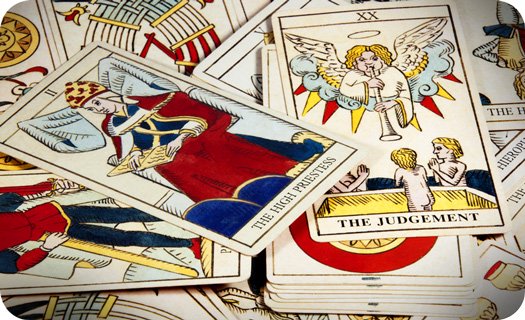
The Language of Colors in Tarot
Colors in tarot are more than decorative choices—they are a powerful tool for interpretation. Each color carries its own psychological and emotional resonance, and tarot artists use them intentionally to evoke specific feelings or highlight certain aspects of a card’s meaning.
Red is a bold, passionate color often associated with energy, action, and strong emotions. In tarot, red might appear in the robes of a figure or the background of a card to emphasize vitality, anger, or love. For example, the Chariot card often features red accents to symbolize determination and willpower.
Blue represents calm, intuition, and spirituality. It’s a color frequently used in cards like the High Priestess or the Moon, where it underscores themes of mystery, wisdom, and the subconscious. Blue can also indicate healing and communication, as seen in the Three of Cups when it appears in the background.
Yellow is the color of intellect, optimism, and enlightenment. It often appears in cards that deal with ideas, inspiration, or sudden insights, such as the Ace of Wands or the Sun. Yellow can symbolize clarity, creativity, and the spark of new beginnings.
Green is tied to growth, abundance, and nature. It’s a color commonly found in the Empress card, where it represents fertility, nurturing, and the natural world. Green can also indicate healing, balance, and prosperity, as seen in the Six of Pentacles.
Black and White are colors of contrast and duality. Black often represents the unknown, the hidden, or the unconscious, while white symbolizes purity, clarity, and new beginnings. The Death card, for instance, frequently uses black to emphasize transformation, while white can appear in cards like the Fool to signify a blank slate or potential.

Why Symbols and Colors Fascinate Us
The enduring fascination with tarot symbols and colors lies in their ability to tap into universal human experiences. Symbols are deeply rooted in archetypes—universal patterns that resonate across cultures and time periods. Carl Jung’s concept of the collective unconscious suggests that these symbols speak to shared human experiences, such as love, fear, transformation, and destiny. When we see a tarot card, our minds instinctively recognize these archetypes, allowing us to connect with the card’s message on a subconscious level.
Colors, too, have a profound psychological impact. Studies in color psychology show that different hues can evoke specific emotions and behaviors. For example, warm colors like red and orange can stimulate energy and passion, while cool colors like blue and green can promote calm and introspection. In tarot, these color choices are not accidental; they are designed to guide the reader’s interpretation and evoke a particular response from the querent.
Additionally, the act of interpreting symbols and colors in tarot is a form of active engagement with the subconscious. It encourages us to look beyond the literal and explore the metaphorical, fostering a deeper understanding of ourselves and the world around us. This process can be both empowering and transformative, making tarot a tool for self-discovery and personal growth.
Conclusion
Tarot symbols and colors are far more than decorative elements—they are the keys to unlocking the deeper meanings within the cards. By learning to recognize and interpret these symbols, you can enhance your tarot readings and gain insights that are both profound and personal. Whether it’s the fiery energy of a Wand, the emotional depth of a Cup, the intellectual clarity of a Sword, or the material stability of a Pentacle, each suit offers a unique perspective on life’s journey. Similarly, the colors in tarot act as emotional signposts, guiding you toward the core themes of each card.
As you continue to explore tarot, pay close attention to the symbols and colors that appear in your readings. Notice how they make you feel, what memories or ideas they evoke, and how they connect to the broader narrative of the cards. Over time, you’ll develop a deeper intuition for these elements, allowing you to weave together richer, more nuanced interpretations. Ultimately, tarot is a mirror—reflecting back to us the symbols and colors of our own lives, inviting us to explore, understand, and grow.
FAQ
What does the Fool card symbolize in tarot?
The Fool card symbolizes spontaneity, new beginnings, and the unknown.
How do colors influence tarot readings?
Colors in tarot evoke specific emotions and can highlight certain aspects of a card’s meaning.
What are the suits in the Minor Arcana?
The Minor Arcana consists of four suits: Wands, Cups, Swords, and Pentacles.
Leave a Reply