Short Answer
Embark on a journey through the vibrant world of tarot symbolism, where every stick and every color carries profound meaning. This guide will illuminate the hidden language of the cards, revealing how colors and symbols interact to convey deeper messages. Whether you’re a seasoned reader or a curious beginner, understanding these elements will enrich your interpretations and deepen your connection to the tarot. From the fiery passion of red to the tranquil wisdom of blue, discover how these visual cues shape the narrative of each card.
The Language of Color in Tarot
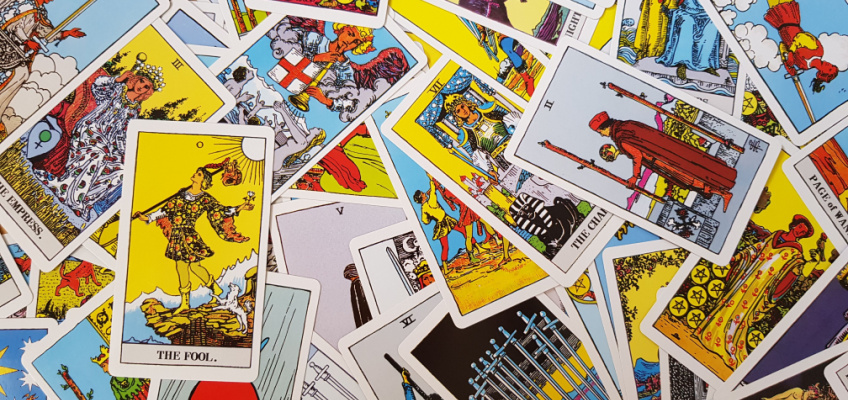
Colors in tarot are not merely decorative; they are a visual shorthand for emotions, energies, and spiritual concepts. Each hue resonates with specific vibrations that influence the card’s message. For instance, red often symbolizes passion, action, or raw energy, while blue may represent calmness, intuition, or spiritual depth. The interplay of colors can shift the meaning of a card entirely—consider how a golden hue might elevate a card from mere material wealth to divine abundance. By studying these color associations, you’ll unlock a new layer of insight in your readings.
The Symbolism of Sticks in Tarot
Sticks, rods, or wands in tarot are universally associated with creativity, willpower, and ambition. They represent the spark of inspiration, the drive to manifest desires, and the tools needed to turn ideas into reality. In the Minor Arcana, the suit of Wands embodies this energy, often depicted as a single stick or a bundle of rods. The presence of sticks in a card can indicate a call to action, a surge of motivation, or the need to harness personal power. Even in cards like The Magician, where a wand is a central tool, the stick becomes a symbol of mastery over the elements. Understanding this symbolism helps you recognize when the tarot is urging you to take initiative or channel your inner strength.
Red: Passion, Power, and Vitality
Red is one of the most dynamic colors in tarot, often linked to intense emotions, physical energy, and life force. In cards like The Tower or The Chariot, red can signify sudden upheaval or unstoppable momentum. It’s a color that demands attention, reflecting raw passion, anger, or courage. When red appears in a reading, it may signal a need to confront strong emotions or embrace a bold new direction. However, its energy can also be overwhelming, so balance is key. In contrast, a muted red might suggest a more controlled or mature passion, such as deep love or commitment.
Blue: Intuition, Wisdom, and Serenity
Blue in tarot is the color of the mind, spirit, and emotional depth. It appears frequently in cards like The High Priestess or The Star, where intuition and higher wisdom are paramount. Light blues evoke tranquility and clarity, while darker blues may represent the unknown or the subconscious. Blue can also symbolize truth, communication, and healing—think of The Temperance card, where the angel’s blue robe signifies balance and moderation. When blue dominates a spread, it often points to a need for reflection, spiritual guidance, or emotional healing. Its calming presence reminds us to trust our inner voice and seek answers beyond the material world.
Yellow: Joy, Clarity, and Intellect
Yellow is the color of the sun, intellect, and optimism in tarot. It radiates energy, creativity, and mental agility, making it a frequent sight in cards like The Sun or The Wheel of Fortune. Yellow can also represent caution or warning, as seen in its association with the Page of Wands, where impulsiveness may lead to reckless decisions. When yellow appears in a reading, it often encourages you to embrace curiosity, seek knowledge, or approach a situation with a fresh perspective. Its brightness can uplift the spirit, but like the sun, it must be balanced—too much yellow might lead to overthinking or burnout.
Green: Growth, Healing, and Abundance
Green is the color of nature, renewal, and prosperity in tarot. It’s prominently featured in cards like The Empress, where it symbolizes fertility, nurturing energy, and earthly abundance. Green can also represent healing, both physical and emotional, as well as personal growth. In the Four of Pentacles, green might indicate a need to hold onto resources or cultivate stability. When green appears in a spread, it often signals a time of expansion, whether in relationships, career, or personal development. Its connection to the natural world reminds us to stay grounded and trust in the cycles of life.

Black and White: Mystery, Duality, and Transformation
Black and white in tarot are colors of duality, representing the balance between light and dark, conscious and unconscious, or life and death. Black can signify the unknown, the hidden, or the need for introspection—think of The Moon card, where shadows reveal deeper truths. White, on the other hand, symbolizes purity, clarity, and new beginnings, as seen in The Fool’s journey. Together, these colors highlight the interplay between opposites, urging you to explore the full spectrum of your experiences. They remind us that transformation often requires embracing both the light and the dark within ourselves.
Gold and Silver: Divine Connection and Spiritual Wealth
Gold and silver are colors of divine connection, spiritual wealth, and enlightenment in tarot. Gold often appears in cards like The Sun or The World, where it signifies success, wisdom, and cosmic harmony. Silver, with its lunar associations, represents intuition, psychic abilities, and the feminine divine. These colors elevate a card from the mundane to the sacred, suggesting a higher purpose or a blessing from the universe. When gold or silver appears in a reading, it may indicate a time of spiritual awakening, a reward for past efforts, or a reminder to trust in a higher power.
Putting It All Together: Interpreting Color and Symbolism in Readings
To master tarot symbolism, observe how colors and sticks interact within a card. For example, a card dominated by red sticks might suggest a surge of creative energy, while a blue wand could indicate a need for intuitive action. Pay attention to the context of the reading—are the colors harmonious or clashing? Do the sticks appear strong or broken? These details add nuance to your interpretations. Remember, symbolism is subjective, so trust your intuition. Over time, you’ll develop a personal lexicon of meanings that resonate with you, deepening your connection to the tarot’s wisdom.
Conclusion
The tarot’s language of color and symbolism is a gateway to deeper understanding. By learning to read the sticks and hues in each card, you gain insight into the energies at play in your life. Whether it’s the fiery passion of red, the serene wisdom of blue, or the transformative power of black and white, these elements weave a tapestry of meaning that transcends words. As you continue your tarot journey, let these symbols guide you toward clarity, intuition, and self-discovery. The cards are always speaking—are you ready to listen?
FAQ
What does the color red symbolize in tarot?
Red symbolizes passion, energy, and raw emotions in tarot readings.
How do colors influence tarot card meanings?
Colors in tarot offer emotional and spiritual context, enhancing the interpretation of each card.
What are sticks in tarot symbolism?
Sticks, or wands, represent creativity, willpower, and ambition, often associated with the suit of Wands.
Leave a Reply