Short Answer
Embarking on a journey through the Tarot system reveals a profound tapestry of symbolism, archetypes, and interconnected meanings. This guide is designed to illuminate how every card in the Tarot deck weaves together, creating a dynamic narrative that promises to shift your perspective and ignite your curiosity. Whether you’re a seasoned reader or a curious beginner, understanding these connections will deepen your appreciation for the Tarot’s ability to reflect life’s complexities in a mirror of wisdom and insight.
The Foundation of the Tarot: Major and Minor Arcana
The Tarot deck is divided into two primary sections: the Major Arcana and the Minor Arcana. The Major Arcana consists of 22 cards, each representing significant life themes, spiritual lessons, and karmic influences. These cards, such as The Fool, The Lovers, and Death, often signify pivotal moments or transitions. In contrast, the Minor Arcana comprises 56 cards divided into four suits—Cups, Pentacles, Swords, and Wands—each reflecting everyday experiences, challenges, and emotions. Together, these cards form a comprehensive map of human existence, where every card connects to another in a dance of meaning and revelation.
Major Arcana: The Soul’s Journey Unfolded
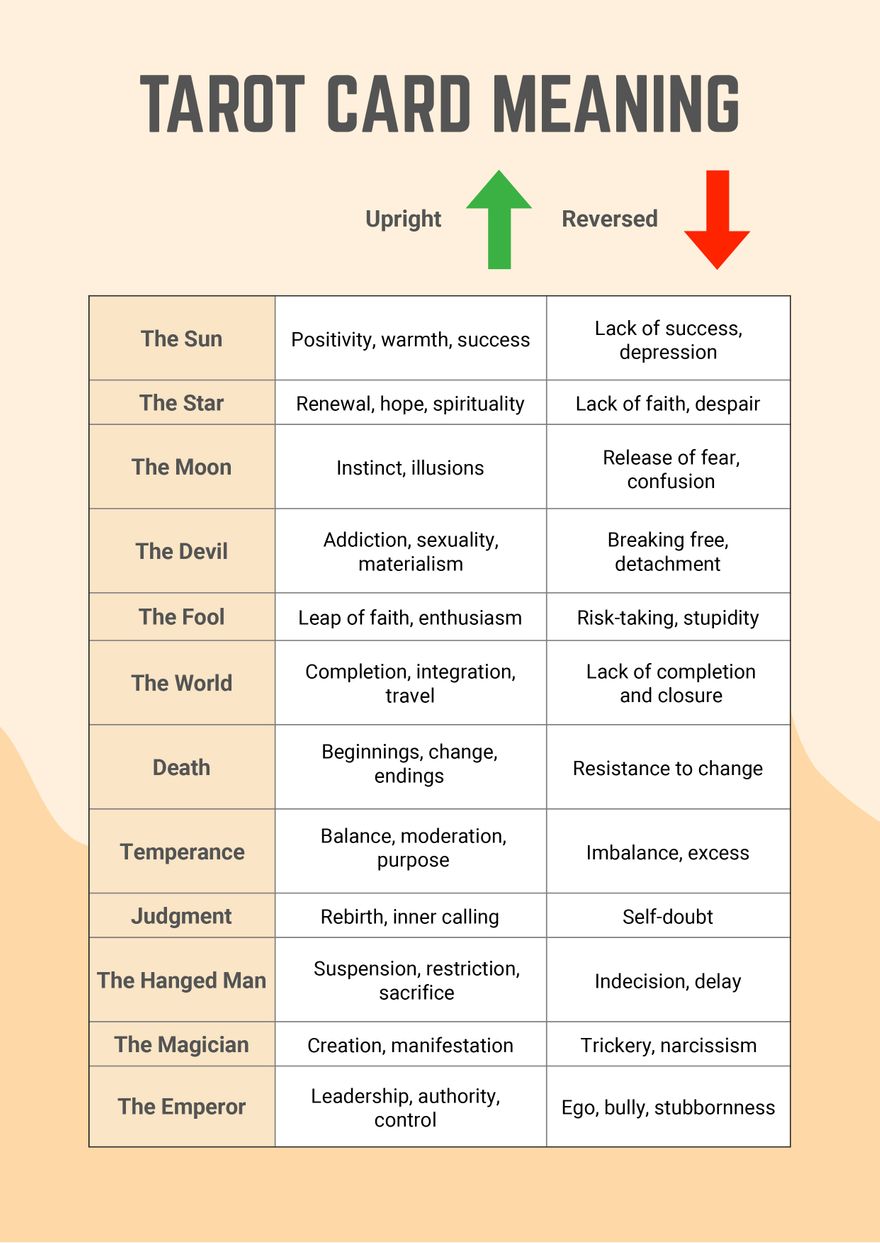
The Major Arcana cards are often seen as the “story” of the Tarot, guiding you through the stages of personal growth and enlightenment. For instance, The Magician (Card I) represents manifestation and resourcefulness, while The High Priestess (Card II) embodies intuition and hidden knowledge. These cards are deeply interconnected; The Magician’s ability to harness energy flows into The High Priestess’s intuitive wisdom, creating a bridge between action and insight. Similarly, The Tower (Card XVI) symbolizes sudden upheaval, which often leads to The Star (Card XVII), a card of hope and renewal. This sequence illustrates how disruption can pave the way for transformation and new beginnings.
Minor Arcana: The Rhythms of Daily Life
The Minor Arcana delves into the nuances of daily life, offering insights into relationships, career, challenges, and personal development. Each suit corresponds to an element and a realm of experience: Cups (Water) relate to emotions and relationships, Pentacles (Earth) to material wealth and stability, Swords (Air) to intellect and conflict, and Wands (Fire) to passion and creativity. For example, the Ace of Cups represents new emotional beginnings, while the Three of Cups celebrates joyful connections. These cards often interact with Major Arcana cards to provide context. A reading featuring The Empress (Major Arcana) alongside the Queen of Pentacles (Minor Arcana) might suggest nurturing abundance in both personal and professional spheres.
Court Cards: The Personalities Within
Court Cards—Page, Knight, Queen, and King—add another layer of depth to the Tarot, representing people, personality traits, or even aspects of yourself. Each court card belongs to a suit and embodies specific energies. For example, the Knight of Wands signifies adventure and impulsiveness, while the Queen of Swords embodies clarity and independence. These cards often reflect the querent’s environment or the people influencing their situation. A Knight of Cups appearing in a reading might indicate a romantic or artistic influence, while a Queen of Pentacles could suggest a nurturing, practical presence. Understanding these connections helps you interpret how external forces shape your path.
The Fool’s Journey: A Narrative of Growth
The Fool’s Journey is a metaphorical path through the Major Arcana, illustrating the archetypal stages of human development. Starting with The Fool (Card 0), who represents innocence and new beginnings, the journey progresses through trials, triumphs, and transformations, culminating in The World (Card XXI), a symbol of completion and wholeness. Along the way, each card connects to the next, creating a cohesive narrative. For instance, The Chariot (Card VII) follows The Lovers (Card VI), suggesting that determination and willpower (The Chariot) often emerge from choices and relationships (The Lovers). This journey underscores the Tarot’s power to mirror life’s cyclical nature, where endings are merely new beginnings in disguise.
Elemental Dignities: The Alchemy of Card Interactions
Elemental dignities refer to the elemental associations of the Tarot suits and how their interactions influence a reading. Fire (Wands) and Air (Swords) are considered compatible, fostering creativity and communication, while Water (Cups) and Earth (Pentacles) ground emotional and material stability. Conversely, Fire and Water can clash, creating tension between passion and emotion. Understanding these dynamics allows you to interpret how cards interact in a spread. For example, a reading with the Ace of Wands (Fire) and the Three of Cups (Water) might highlight a creative project (Fire) that brings people together (Water), suggesting a harmonious blend of energy and emotion.
Numerology and the Tarot: The Hidden Language of Numbers
Numbers play a crucial role in the Tarot, adding another layer of meaning to each card. For instance, the number 3 often signifies creativity and collaboration, as seen in the Three of Cups or The Empress. The number 7 represents introspection and spirituality, embodied by The Chariot or The Hermit. By examining the numerological connections between cards, you can uncover deeper insights. A spread featuring the Seven of Swords and The Hermit might suggest a need for solitude (The Hermit) to reflect on past deceits (Seven of Swords), highlighting the interplay between action and introspection.
Astrological Correspondences: The Cosmic Tapestry
Many Tarot cards are linked to astrological signs and planets, further enriching their meanings. For example, The Emperor (Card IV) is associated with Aries, embodying leadership and authority, while The Star (Card XVII) aligns with Aquarius, symbolizing hope and innovation. These correspondences provide a cosmic framework for interpreting the Tarot, allowing you to see how planetary energies influence your readings. A card like the Knight of Pentacles, tied to Taurus, might suggest a period of stability and practicality, while the Page of Swords, linked to Gemini, could indicate curiosity and communication.
Reversed Cards: The Shadow Side of Connection
Reversed cards offer a glimpse into blocked energy, internal struggles, or unresolved issues. When a card appears upside down, its traditional meaning is often inverted, revealing hidden challenges or opportunities for growth. For example, the reversed Three of Cups might indicate superficial relationships or a lack of emotional fulfillment, while the reversed The Tower could signify resistance to necessary change. Understanding reversed cards helps you navigate the complexities of a reading, offering a more nuanced perspective on how cards connect and influence each other.
Practical Application: Reading the Connections
To apply these principles, start by examining the cards in a spread and identifying their elemental, numerological, and astrological connections. Look for patterns, such as repeated suits, numbers, or themes. For instance, a spread with multiple Swords cards might indicate a focus on intellect and conflict resolution. Pay attention to how Major Arcana cards interact with Minor Arcana cards, as these combinations often reveal the bigger picture. Practice with simple spreads, like a three-card layout, to hone your ability to see the connections between cards and their deeper meanings.
Conclusion
The Tarot is far more than a collection of static images; it is a living, breathing system where every card connects to another in a web of meaning and insight. By understanding the relationships between Major and Minor Arcana, court cards, numerology, astrology, and elemental dignities, you unlock the Tarot’s true potential as a tool for self-discovery and transformation. Whether you’re seeking clarity, guidance, or simply a shift in perspective, the Tarot offers a mirror to the soul, reflecting the intricate dance of life’s journey. Embrace the connections, and let the cards guide you toward deeper wisdom and understanding.
FAQ
What is the Tarot system?
The Tarot system is a collection of cards used for divination and self-reflection, divided into Major and Minor Arcana, each with its own symbolism and meanings.
How do Major and Minor Arcana differ?
Major Arcana cards represent significant life themes and lessons, while Minor Arcana cards reflect everyday experiences and challenges.
What is the significance of reversed cards?
Reversed cards often indicate blocked energy or internal struggles, highlighting challenges or opportunities for growth.
Leave a Reply