Short Answer
This guide explores the Three of Swords Tarot card, a powerful symbol of emotional pain, heartbreak, and difficult truths. Whether you’re a seasoned Tarot reader or a curious beginner, you’ll discover the deeper meanings behind this card, its common interpretations, and why it resonates so deeply with people facing life’s hardest moments. By the end, you’ll understand how the Three of Swords reflects personal struggles, the inevitability of loss, and the potential for healing that follows.
The Three of Swords: A Card of Pain and Clarity
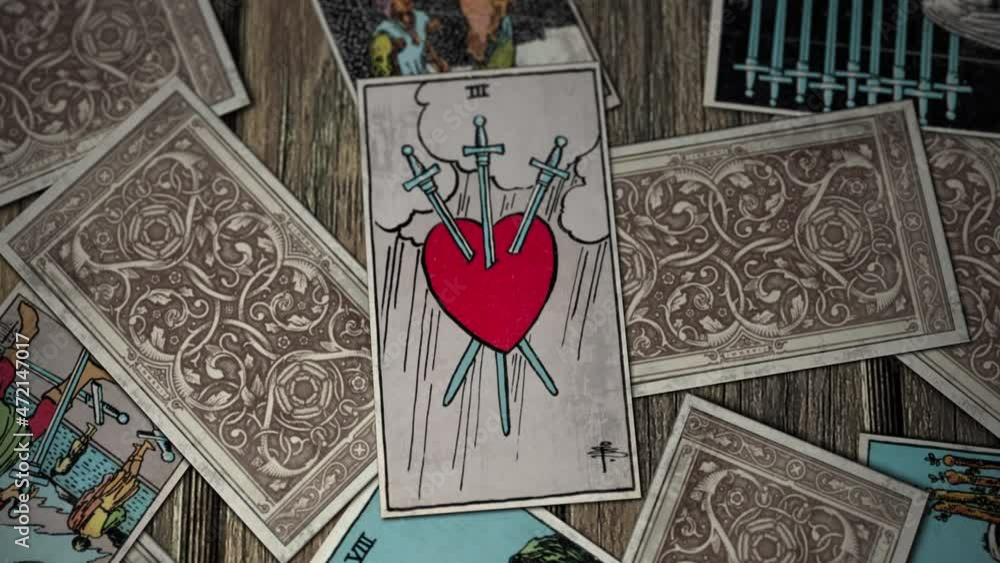
The Three of Swords is one of the most visually striking cards in the Tarot deck. It typically depicts a heart pierced by three swords, often against a stormy sky, symbolizing betrayal, sorrow, and emotional upheaval. Unlike other cards that represent fleeting challenges, the Three of Swords addresses a deep, often unavoidable pain—one that cuts to the core of our being. This card doesn’t shy away from the harsh realities of life; instead, it acknowledges them as part of the human experience.

At its core, the Three of Swords is about acknowledging pain rather than avoiding it. It suggests that sometimes, the truth hurts, and the only way forward is through acceptance. This card often appears when someone is dealing with a breakup, loss, or a harsh revelation. It’s a reminder that pain, while difficult, is not permanent—and that clarity often comes from facing our deepest wounds.

Common Observations: Why This Card Fascinates People
One of the most striking aspects of the Three of Swords is its universal appeal. Almost everyone has experienced heartbreak, betrayal, or loss at some point, making this card deeply relatable. Unlike abstract or esoteric Tarot concepts, the Three of Swords speaks to raw, human emotions that transcend culture and time.
People are often drawn to this card because it validates their pain. In a world where emotional suffering is often minimized or dismissed, the Three of Swords says, “Yes, this hurts—and that’s okay.” It doesn’t sugarcoat the experience but instead frames it as a necessary step toward growth. This honesty is why so many find comfort in its message, even when it’s difficult to hear.
Another reason for its fascination is the card’s symbolism of clarity. The three swords represent the three stages of pain: the initial wound, the realization of betrayal, and the eventual acceptance. This progression mirrors the natural cycle of grief, making the Three of Swords a guide through some of life’s darkest moments.
Deeper Reasons for Fascination: The Psychology Behind the Pain
The Three of Swords taps into fundamental human fears and desires. On one hand, it reflects our fear of betrayal and abandonment. The image of the heart pierced by swords mirrors the vulnerability we feel when trust is broken. This fear is universal, as most people have either experienced betrayal or lived in constant anxiety about it.
On the other hand, the card also speaks to our desire for truth, no matter how painful. Sometimes, the hardest part of a situation isn’t the pain itself but the uncertainty leading up to it. The Three of Swords suggests that while the truth may hurt, it’s better than living in ignorance. This duality—fear of pain versus the need for honesty—creates a tension that makes the card so compelling.
Psychologically, the Three of Swords can also represent cognitive dissonance, the mental discomfort experienced when holding two conflicting beliefs. For example, someone might cling to the hope that a relationship will improve, even when evidence suggests otherwise. The card forces a reckoning, pushing the individual to confront reality rather than cling to denial.
How the Three of Swords Appears in Readings
When the Three of Swords appears in a Tarot spread, its meaning depends heavily on the surrounding cards and the question asked. Here are some common scenarios:
- Upright Position: This card often signals a period of emotional pain, such as a breakup, loss, or betrayal. It may also indicate that the querent is facing a harsh truth they’ve been avoiding. While difficult, this revelation is necessary for growth.
- Reversed Position: When reversed, the Three of Swords can suggest lingering pain that hasn’t been fully processed. The querent may be holding onto resentment, grief, or anger without allowing themselves to heal. It’s a call to release these emotions rather than suppress them.
- Surrounded by Positive Cards: If the Three of Swords appears alongside cards like The Star or The Sun, it suggests that the pain will lead to eventual healing and renewal. The storm will pass, and clarity will emerge.
- Surrounded by Negative Cards: If paired with cards like The Tower or Five of Cups, the Three of Swords may indicate a deeper crisis or a situation that feels insurmountable. In these cases, the card serves as a warning to prepare for hardship.
Regardless of its position, the Three of Swords encourages the querent to face their pain head-on rather than run from it. Avoidance only prolongs suffering; acceptance is the first step toward healing.
Healing and Growth After the Three of Swords
While the Three of Swords is undeniably a card of pain, it’s also a card of transformation. The swords that pierce the heart are the same tools that will eventually cut away the old, allowing new growth to emerge. Healing after a Three of Swords experience isn’t about erasing the pain but about integrating it into a larger narrative of resilience.
One of the most important lessons this card teaches is that pain is not the end of the story. The stormy sky in many Three of Swords depictions often clears, symbolizing the passage of time and the return of calm. This doesn’t mean the pain is forgotten, but it does mean that it no longer controls the individual’s life.
Practically, healing from a Three of Swords experience might involve:
- Allowing yourself to grieve: Suppressing emotions only delays healing. Acknowledge your pain rather than pushing it aside.
- Seeking support: Whether through friends, therapy, or spiritual practices, reaching out can help process difficult emotions.
- Reframing the narrative: Instead of seeing yourself as a victim, consider how this experience has shaped your strength and wisdom.
- Practicing self-compassion: Be gentle with yourself. Healing isn’t linear, and setbacks are normal.

Conclusion
The Three of Swords is a Tarot card that doesn’t just represent pain—it embodies the human capacity to endure, learn, and grow from life’s hardest lessons. Its imagery is stark, its message unflinching, but it’s also a card of hope. By acknowledging our wounds, we open the door to deeper understanding and eventual healing.
Whether you’re drawing this card for yourself or someone else, remember that the Three of Swords isn’t a curse—it’s a catalyst. It forces us to confront what we’ve been avoiding, and in doing so, it paves the way for transformation. Pain may be inevitable, but so is the strength to rise above it. The swords that wound today will one day be the tools that set you free.
FAQ
What does the Three of Swords Tarot card symbolize?
The Three of Swords symbolizes emotional pain, heartbreak, and the acceptance of difficult truths.
How does the Three of Swords appear in Tarot readings?
In readings, it often indicates emotional pain, betrayal, or the need to confront harsh truths, depending on its surrounding cards.
What are the healing implications of the Three of Swords?
The card teaches that while pain is part of life, acceptance can lead to growth and healing.
Leave a Reply