Short Answer
In this guide, you’ll explore the Seven of Swords Tarot card and its profound implications when it suggests betrayal or deception in your life. Whether you’re navigating a tricky relationship, a professional dilemma, or simply seeking clarity, this card often signals hidden motives or unspoken truths. You’ll learn how to interpret its symbolism, recognize warning signs, and understand the deeper psychological and spiritual reasons behind its appearance. By the end, you’ll have the tools to navigate this card’s challenges with wisdom and confidence.
The Seven of Swords: A Card of Deception and Hidden Motives
The Seven of Swords is one of the most intriguing cards in the Tarot deck, often associated with cunning, strategy, and—when reversed or in a challenging position—betrayal. In its traditional upright position, the card depicts a figure sneaking away with five swords while leaving two behind, suggesting a calculated escape or a strategic move to avoid confrontation. However, when this card appears in a reading about betrayal, it hints at someone acting dishonestly, whether intentionally or out of self-preservation.
At its core, the Seven of Swords challenges you to question motives. Are the actions of others driven by fear, insecurity, or a desire to protect themselves at your expense? This card doesn’t always mean outright malice; sometimes, it reflects a person’s inability to communicate openly, leading to misunderstandings or secretive behavior. Understanding this nuance is key to interpreting its message accurately.
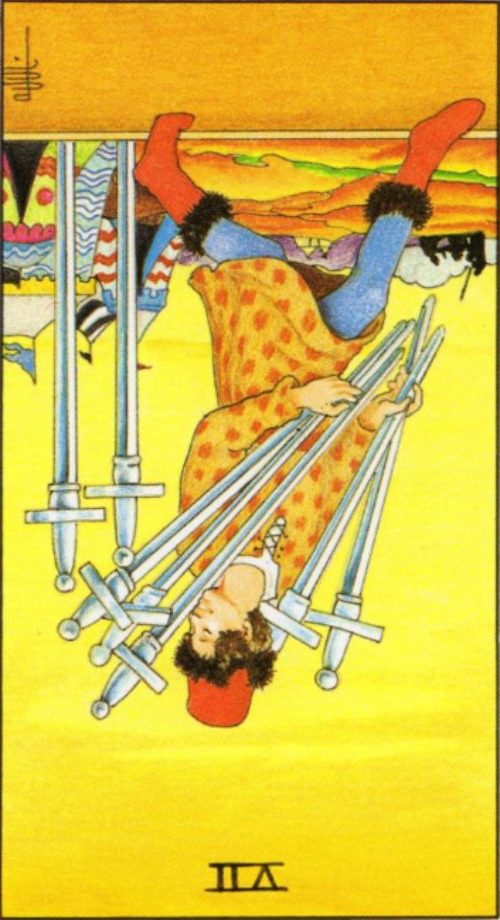
Why the Seven of Swords Triggers Fear of Betrayal
One of the most common observations about the Seven of Swords is its ability to evoke a deep-seated fear of being deceived. This reaction isn’t unfounded—human beings are wired to detect threats to their trust and security. When this card surfaces in a reading, it often amplifies anxieties about hidden agendas, secret dealings, or someone acting against your best interests. The fear isn’t just about the act of betrayal itself but the vulnerability it exposes.
Psychologically, the Seven of Swords taps into our primal instincts for self-protection. It forces us to confront uncomfortable questions: Who can I truly trust? Are my instincts warning me of something I’m ignoring? The card’s presence can feel like a wake-up call, urging you to pay closer attention to red flags or inconsistencies in behavior. While this fear is natural, it’s important to balance it with discernment—betrayal isn’t always the intention behind someone’s actions.

Deeper Reasons Behind the Fascination with the Seven of Swords
The Seven of Swords captivates people because it embodies the tension between honesty and deception, a universal struggle in human relationships. Its imagery—swords as symbols of intellect and conflict—suggests that betrayal isn’t just emotional but often a clash of minds or values. This card fascinates because it mirrors the complexities of trust: How do we reconcile our desire for transparency with the reality that everyone has secrets?
Culturally, the Seven of Swords resonates with themes of espionage, political intrigue, and moral ambiguity, further fueling its allure. It challenges the binary view of good and evil, instead presenting a gray area where actions are justified by personal gain or survival. This ambiguity is what makes the card so compelling—it doesn’t offer easy answers but instead invites introspection about the nature of loyalty and self-interest.
Spiritually, the Seven of Swords can represent a test of your own integrity. Are you being honest with yourself about your intentions, or are you rationalizing actions that could harm others? The card’s energy pushes you to examine your role in any perceived betrayal, whether as the victim or the perpetrator of hidden motives.
How to Respond When the Seven of Swords Points to Betrayal
If the Seven of Swords appears in a reading about betrayal, the first step is to avoid jumping to conclusions. Instead, use it as an opportunity to gather more information. Ask yourself: What specific behaviors or situations are making me feel this way? Is there a pattern of secrecy, broken promises, or inconsistent communication?
Next, trust your intuition but verify your perceptions. The Seven of Swords thrives in ambiguity, so look for concrete evidence before labeling someone as untrustworthy. If the betrayal feels imminent, consider having an open but cautious conversation with the person involved. Frame your concerns without accusations, using phrases like, “I’ve noticed some inconsistencies, and I’d like to understand your perspective.”
It’s also wise to assess your own boundaries. Are you enabling deceit by ignoring red flags or tolerating disrespect? The Seven of Swords can be a reminder to prioritize your well-being, even if it means distancing yourself from toxic dynamics. Sometimes, the “betrayal” is a wake-up call to reclaim your power.
Common Misinterpretations of the Seven of Swords
One of the biggest pitfalls in reading the Seven of Swords is assuming the worst-case scenario. While the card can indicate deception, it doesn’t always mean outright betrayal. For example, it might suggest someone is keeping their plans private to avoid unnecessary drama, or they’re strategizing for a positive outcome (like a surprise gift or a well-planned event). Context is everything.
Another misinterpretation is viewing the Seven of Swords as a definitive sign of doom. In reality, this card often serves as a warning rather than a prophecy. It’s an invitation to stay vigilant, not to assume the worst. Overreacting to its energy can lead to paranoia or unnecessary conflict, so approach it with a balanced mindset.
Lastly, don’t confuse the Seven of Swords with the Three of Swords (a card explicitly about heartbreak) or the Five of Cups (grief over loss). Each card carries its own emotional weight, and conflating them can lead to misguided decisions. Focus on the specific imagery and surrounding cards in your reading for clarity.
Conclusion
The Seven of Swords is a card that demands attention—not just for its warnings of betrayal, but for the deeper truths it reveals about trust, self-protection, and human nature. Whether it appears in a personal reading or as a recurring theme in your life, its message is clear: stay alert, but don’t let fear cloud your judgment. Use its energy to strengthen your intuition, set healthy boundaries, and navigate relationships with wisdom.
Remember, the Seven of Swords isn’t a verdict—it’s a mirror. It reflects your fears, your instincts, and your capacity to adapt. By understanding its symbolism and responding with discernment, you can transform its challenges into opportunities for growth. Trust yourself, stay observant, and let this card guide you toward clarity, not confusion.
FAQ
What does the Seven of Swords mean in tarot?
It typically indicates deception, betrayal, or secretive actions, but can also suggest strategic thinking or avoiding conflict.
Is the Seven of Swords always negative?
Not always. While it warns of dishonesty, it can also reflect careful planning or protecting oneself from harm.
How do I interpret the Seven of Swords in a reading about relationships?
It may signal hidden motives, lack of openness, or potential betrayal, but context and surrounding cards are important.
What should I do if I see the Seven of Swords in my reading?
Stay observant, seek clarity, avoid assumptions, and set boundaries to protect your well-being.
Leave a Reply