Short Answer
In this guide, you’ll explore the profound symbolism and practical wisdom of The Hanged Man, one of the most intriguing cards in the tarot deck. Often misunderstood as a mere pause in life’s journey, this card carries deep lessons about surrender, perspective, and the power of stillness. By the end, you’ll understand why so many people are drawn to its message—and how it can transform your approach to challenges, decisions, and personal growth.
The Hanged Man: A Card of Surrender and New Perspectives
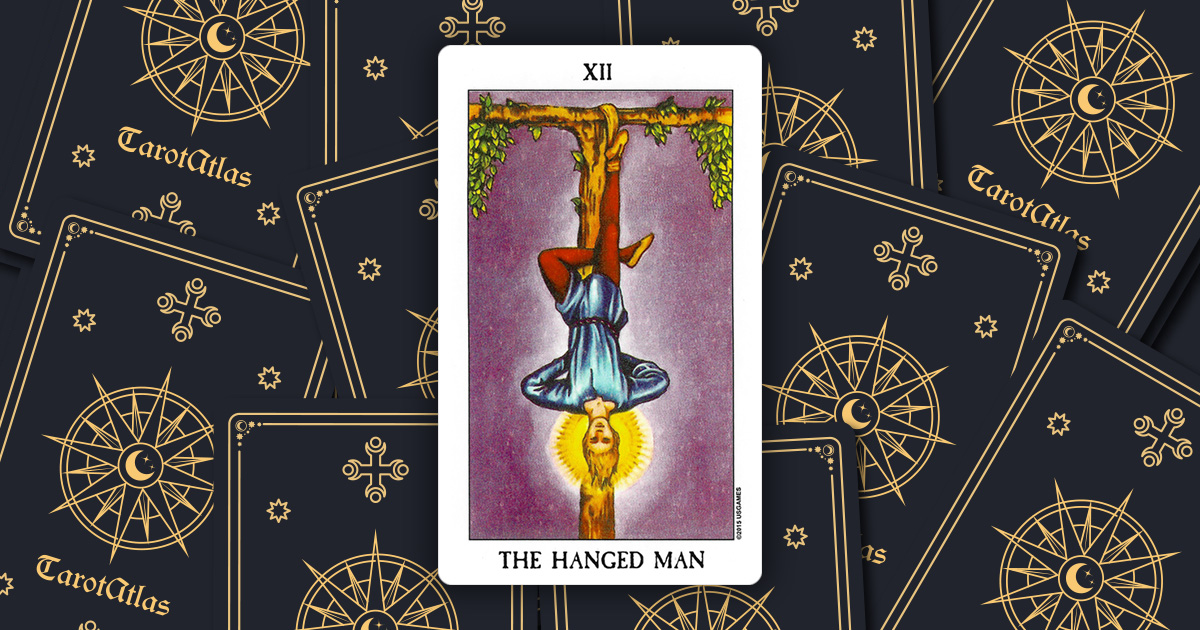
The Hanged Man is the twelfth card in the Major Arcana, positioned between Justice and Death, symbolizing a temporary suspension of action. Unlike other tarot cards that depict movement or conflict, this card portrays a figure suspended upside-down, often with a serene expression. The imagery alone suggests a shift in perception—what was once seen as a setback may now be viewed as an opportunity for growth.
At its core, The Hanged Man represents the necessity of pausing to reassess. It’s a reminder that sometimes, the best course of action is to step back, reflect, and allow life to unfold naturally. This card doesn’t advocate for passivity but rather for strategic inaction—a deliberate choice to wait for clarity before moving forward. The upside-down position of the figure also hints at seeing the world from a different angle, uncovering hidden truths that were previously overlooked.
Many people are fascinated by The Hanged Man because it challenges conventional notions of success and progress. In a society that glorifies constant action and productivity, this card invites us to embrace stillness as a form of strength. It’s a counterintuitive lesson: true wisdom often comes not from doing more, but from doing less and observing more deeply.
Symbolism and Key Themes in The Hanged Man
The rich symbolism of The Hanged Man provides layers of meaning that resonate on multiple levels. Here are the most significant elements to consider:
The Upside-Down Figure
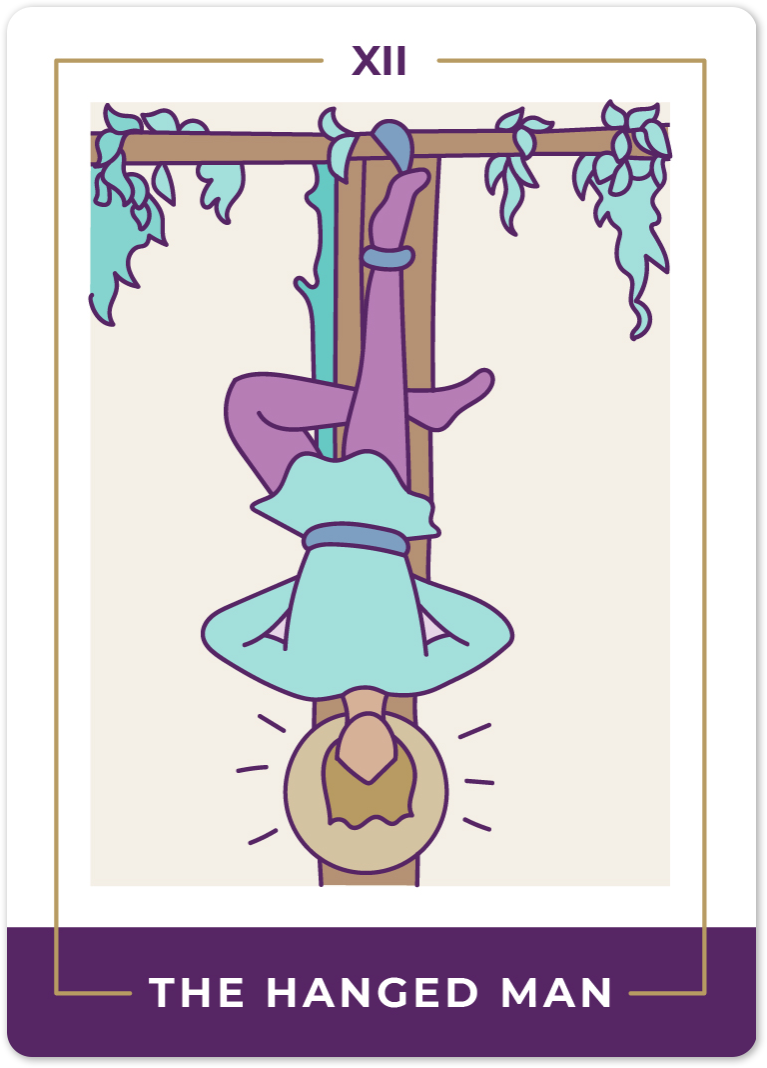
The most striking feature of the card is the figure hanging upside-down, often with one leg bent and the other crossed behind it. This position is not one of suffering but of sacred suspension. It suggests a voluntary surrender to a temporary state of limbo, where the usual rules of logic and time no longer apply. The figure’s calm demeanor indicates acceptance, reinforcing the idea that this pause is purposeful rather than forced.
The Halo or Light Around the Head
Many depictions of The Hanged Man feature a glowing halo or light around the figure’s head, symbolizing enlightenment and newfound clarity. This light represents the illumination that comes from shifting your perspective. When you’re stuck in a problem, stepping back can reveal solutions that were invisible from your original viewpoint. The halo also suggests a connection to higher wisdom or spiritual insight, emphasizing that this card is about more than just a break—it’s about gaining a deeper understanding.
The Serene Expression
Unlike cards that depict struggle or turmoil, The Hanged Man’s face is often calm and peaceful. This serenity underscores the card’s message: surrender doesn’t have to be painful. It’s a choice to trust the process, even when the outcome isn’t immediately clear. The figure’s expression invites you to find peace in uncertainty, knowing that this pause is serving a greater purpose.
The Tree or Post
The figure is typically suspended from a living tree or wooden post, which represents growth, stability, and the natural cycles of life. Trees in tarot often symbolize the interconnectedness of all things, and in this context, they remind you that your current situation is part of a larger, unfolding story. The post also suggests that this suspension is temporary—it’s a necessary phase before you can move forward with renewed strength.
The Colors and Background
The colors in The Hanged Man’s imagery often include deep blues, purples, and golds. Blue represents intuition and depth, purple signifies spirituality and transformation, and gold symbolizes wisdom and enlightenment. The background is usually simple, drawing focus to the figure and the lessons they embody. This minimalist approach reinforces the idea that the message of The Hanged Man is universal—it transcends specific situations and speaks to the human experience of seeking meaning in stillness.
Upright vs. Reversed: The Dual Nature of The Hanged Man
The Hanged Man’s message can shift depending on whether it appears upright or reversed in a reading. Understanding both interpretations will help you apply its wisdom more effectively.
The Hanged Man Upright: Embracing the Pause
When The Hanged Man appears upright, it’s a clear sign that you’re being called to pause and reflect. This could manifest as a period of waiting, a need to reassess your goals, or a situation where taking a step back is more productive than pushing forward. The card encourages you to:
- Trust the process: Even if things feel stagnant, this pause is serving a purpose. Trust that clarity will come in time.
- Look for hidden opportunities: What seems like a setback might be redirecting you toward a better path.
- Practice patience: Rushing ahead could lead to mistakes. Sometimes, the best action is to wait and observe.
- Shift your perspective: Try to see your situation from a different angle. What lessons is this moment teaching you?
In relationships, The Hanged Man upright might suggest a need to take a step back to understand a partner’s true intentions or to gain clarity on a difficult decision. In career matters, it could indicate a temporary slowdown or a need to reevaluate your approach to a project.
The Hanged Man Reversed: Resistance to Surrender
When The Hanged Man appears reversed, it often signals resistance to the necessary pause. You may be clinging to control, avoiding difficult emotions, or forcing a situation that needs time to unfold naturally. This reversal can also indicate:
- Feeling stuck: You might be in a situation that feels draining or unproductive, but you’re afraid to let go.
- Impatience: You want results immediately, even if the situation requires more time.
- Self-sabotage: You’re aware of the need to pause but are resisting it, leading to unnecessary struggle.
- Misplaced effort: You’re putting energy into the wrong areas, ignoring the signs that it’s time to step back.
To work with The Hanged Man reversed, ask yourself where you’re resisting stillness. Are you holding onto a relationship, job, or belief that no longer serves you? Are you avoiding an important truth because it requires you to surrender control? The reversed card is a wake-up call to release what’s no longer working and trust that better things are on the horizon.
Practical Applications: How to Work with The Hanged Man’s Energy
The wisdom of The Hanged Man isn’t just theoretical—it can be applied to everyday life. Here’s how to harness its energy in different areas:
In Decision-Making
When faced with a tough choice, The Hanged Man advises you to take a step back before committing. Instead of rushing into a decision, give yourself time to reflect. Ask yourself:
- What am I afraid of if I wait?
- What might I be missing by not pausing?
- How can I reframe this situation to see it more clearly?
This card is especially powerful when you’re torn between two options. Sometimes, the universe is asking you to trust that the right path will reveal itself when you’re ready.
In Relationships
The Hanged Man can appear when a relationship is at a crossroads. It might suggest that you or your partner need time to reflect on the connection. This isn’t necessarily a sign of doom—it could be an opportunity to gain clarity on whether the relationship is healthy or if it’s time to let go. If you’re single, this card might indicate a need to pause before jumping into a new romance, ensuring you’re emotionally ready.
In Career and Goals
If you’re feeling burned out or unfulfilled at work, The Hanged Man could be urging you to reassess your path. Are you chasing a goal out of obligation rather than passion? This card encourages you to take a sabbatical, explore new interests, or simply give yourself permission to rest. Sometimes, the most productive thing you can do is nothing—at least for a while.
In Personal Growth
The Hanged Man is a powerful ally in spiritual and personal development. It invites you to:
- Meditate: Use this time to connect with your inner wisdom. Journaling or silent reflection can help you gain insights.
- Practice mindfulness: Observe your thoughts and emotions without judgment. What is this pause teaching you?
- Embrace uncertainty: Trust that you don’t need all the answers right now. Some of life’s greatest lessons come from not knowing.
Common Misconceptions About The Hanged Man
Despite its popularity, The Hanged Man is often misunderstood. Here are some common misconceptions and the truths behind them:
Misconception: The Hanged Man Means Failure or Punishment
Many people associate The Hanged Man with being stuck or punished for past mistakes. In reality, this card is about voluntary surrender—a conscious choice to pause and gain perspective. It’s not about being forced into a corner but about recognizing when a break is necessary for growth.
Misconception: The Hanged Man Encourages Passivity
Some interpret this card as a call to do nothing at all, which can lead to stagnation. However, The Hanged Man isn’t about laziness—it’s about strategic inaction. The pause it represents is temporary and purposeful, designed to lead to greater clarity and action later.
Misconception: The Hanged Man Only Appears in Negative Readings
While The Hanged Man can indicate challenges, it’s not inherently a “bad” card. Its appearance often signals a blessing in disguise—a necessary interruption that will lead to better outcomes. Even in reversed positions, it’s a call to release resistance and trust the process.
Conclusion: The Gift of Stillness
The Hanged Man is a card that speaks to the heart of human experience—our fear of uncertainty, our resistance to surrender, and our deep longing for meaning. It reminds us that sometimes, the most powerful thing we can do is to stop, look around, and ask ourselves: What is this moment teaching me?
In a world that often equates busyness with worth, The Hanged Man offers a radical alternative: stillness as strength. It teaches that growth isn’t always linear, and that the most profound transformations often come from the quiet moments in between. Whether you’re facing a major life decision, navigating a difficult relationship, or simply feeling lost, this card invites you to trust the pause. The clarity you seek is on the other side of surrender.
So the next time life feels like it’s hanging you upside-down, remember: this too shall pass. And in the meantime, there’s wisdom to be found in the stillness.
FAQ
What does The Hanged Man tarot card symbolize?
The Hanged Man symbolizes surrender, perspective shifts, and the importance of pausing to reassess situations in life.
How should I interpret The Hanged Man when it appears upright?
When upright, it encourages reflection and patience, suggesting that taking a step back can lead to clarity.
What does it mean when The Hanged Man is reversed?
Reversed, it indicates resistance to necessary pauses, impatience, or self-sabotage in decision-making.
Leave a Reply