Short Answer
Welcome to a journey through the mystical realm of Tarot Time Meanings. In this guide, you will uncover the secrets behind predicting when events will unfold, the symbolic language of time in Tarot, and how to interpret timelines in your readings. Whether you’re a seasoned reader or a curious seeker, this exploration will deepen your understanding of how Tarot bridges the gap between the present and the future.
The Language of Time in Tarot: A Dance of Symbols
Tarot is not just a deck of cards; it’s a living language where time unfolds like a river, its currents whispering secrets through symbols. Each card carries temporal echoes—whether it’s the Wheel of Fortune spinning the cycles of fate or the Eight of Swords trapped in the illusion of delay. Time in Tarot isn’t linear; it’s a spiral, where past, present, and future intertwine in a cosmic ballet.
Consider the Three of Cups, a card of celebration and joy. When it appears in a timing question, it may signal a joyful event on the horizon—perhaps a reunion, a milestone, or a long-awaited celebration. The Hermit, with his lantern of wisdom, suggests a period of introspection before the next chapter begins. The key is to listen to the card’s metaphorical heartbeat: Is it a slow, deliberate pulse (like the Four of Pentacles) or a sudden burst of energy (like the Six of Wands)?
To master this language, study the cards not just for their meanings but for their temporal weight. The Tower rarely arrives gently—it’s a lightning strike of change. The Two of Cups, on the other hand, may bloom over months, a slow-burning connection. Time in Tarot is as much about how events unfold as it is about when.
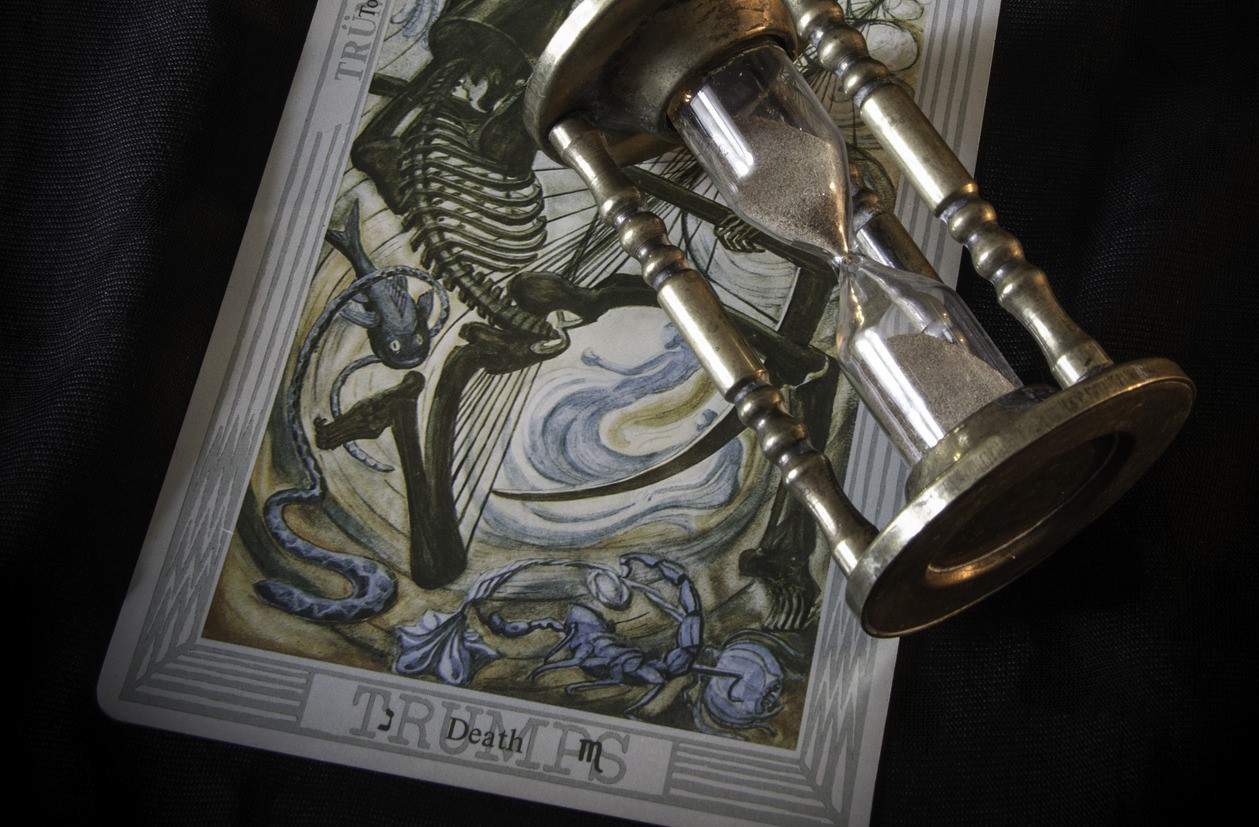
When Will It Happen? Decoding the Tarot Timeline
Asking “when will it happen?” is like asking the wind to speak its name—it requires patience, intuition, and a keen eye for detail. Tarot doesn’t offer a GPS-style timeline but rather a poetic forecast, where cards hint at the rhythm of events. Here’s how to interpret the whispers of time:
- Immediate (Days to Weeks): Cards like the Knight of Wands (sudden action), the Ace of Cups (new emotional beginnings), or the Three of Swords (a painful but swift resolution) often indicate events unfolding rapidly.
- Short-Term (Weeks to Months): The Page of Pentacles suggests a slow but steady process, like a seed sprouting. The Queen of Cups may reveal a period of emotional growth or a nurturing phase before a desired outcome.
- Long-Term (Months to Years): Major Arcana cards like The Star or The Moon often point to transformative journeys that unfold over years. The Ten of Pentacles might hint at a legacy or family matter taking shape gradually.
- Uncertain or Cyclical: Cards like the Moon or the Wheel of Fortune suggest timing is fluid—events may repeat, delay, or arrive in unexpected waves. The Six of Cups could imply a return to the past before moving forward.
Position matters too. In a three-card spread (Past, Present, Future), the middle card often reveals the pace of change. A Five of Swords here might signal a tense waiting period, while the Chariot suggests forward momentum. Spreads like the Celtic Cross add layers—look for clusters of Swords (mental timing) or Cups (emotional timing) to refine your forecast.

The Intriguing World of Tarot Timing: Beyond the Clock
Tarot timing isn’t about predicting exact dates—it’s about understanding the quality of time. The universe doesn’t run on a 24-hour clock; it dances to the rhythm of synchronicity, intuition, and unseen currents. Here’s where the magic lies:
- Astrological Synergy: Pair Tarot with astrology to refine timing. A Taurus influence (fixed earth) might slow things down, while a Sagittarius transit (mutable fire) could accelerate them. The Sun in a reading often signals a “golden window” of opportunity.
- Elemental Timing: Fire cards (Wands) suggest urgency, while Water (Cups) implies emotional ripples over time. Earth (Pentacles) grounds timing in practicality, and Air (Swords) sharpens mental clarity—useful for planning.
- Numerology: The numbers on cards hold clues. A Seven (The Chariot) may indicate a test of will before success, while a Nine (The Hermit) suggests a solitary phase before revelation.
- Personal Cycles: Your own birth chart or life phases (e.g., Saturn returns) can color timing. A Four of Pentacles might reflect a period of financial caution, aligning with your Saturn transit in Capricorn.
Tarot timing is also deeply personal. A card that feels heavy to you may signal a longer wait, while one that sparks excitement could mean the universe is aligning quickly. Trust your gut—if the Eight of Wands appears, but you feel drained, the “when” might be later than the card suggests.
Practical Tips for Reading Tarot Timing
To harness Tarot’s temporal wisdom, treat it like a conversation with the divine. Here’s how to deepen your practice:
- Ask Specific Questions: Instead of “When will I find love?” try “What is the emotional timing of my next significant relationship?” Specificity invites clearer answers.
- Use Timing Spreads: Try a spread with positions like “Past Influences on Timing,” “Current Blockages,” “Expected Arrival,” and “Inner Guidance.”
- Track Patterns: Keep a journal of timing questions and card responses. Over time, you’ll notice recurring symbols (e.g., the Page of Swords often precedes news or decisions).
- Combine Divination Tools: Use pendulums, runes, or even your dreams to cross-verify Tarot’s timing hints. A Six of Pentacles in Tarot might align with a “yes” from a pendulum for abundance.
- Embrace the Unknown: If timing feels vague, the cards may be protecting you from over-control. The Fool reminds us that some journeys begin with a leap, not a schedule.
Remember, Tarot timing is an art, not a science. The Hanged Man teaches patience; the Judgement card heralds rebirth. Sometimes, the answer isn’t “when” but “how”—the path itself holds the key.

Conclusion: The Poetry of Waiting
Tarot Time Meanings are less about predicting and more about participating in the unfolding of fate. The cards don’t just tell you when; they invite you to dance with the unknown, to find meaning in the pauses, and to trust the rhythm of your soul. Whether it’s the Ten of Wands signaling a final push before relief or the Star promising hope after a long night, timing in Tarot is a tapestry woven with metaphor, intuition, and cosmic whispers.
So next time you ask, “When will it happen?” listen closely—not just to the cards, but to the silence between them. The universe speaks in riddles, and Tarot is your decoder ring. The answer may not be a date on a calendar, but a feeling, a sign, or a sudden clarity. And in that moment, you’ll realize: the timing was always perfect.
FAQ
Can Tarot cards predict exact dates for events?
No, Tarot cards provide symbolic and intuitive timing clues rather than exact calendar dates. Timing is often fluid and depends on interpretation.
Which Tarot cards indicate immediate timing?
Cards such as the Knight of Wands, Ace of Cups, and Three of Swords often suggest events occurring within days to weeks.
How can astrology enhance Tarot timing readings?
Astrological influences can refine timing interpretations by indicating the pace or energy surrounding events, such as fixed signs slowing progress or mutable signs accelerating it.
What is the best way to ask about timing in a Tarot reading?
Asking specific questions about the emotional or practical timing rather than vague 'when' questions leads to clearer answers.
Are there Tarot spreads designed specifically for timing?
Yes, spreads like the 'Past Influences on Timing,' 'Current Blockages,' and 'Expected Arrival' help clarify timing aspects in readings.
Leave a Reply