Short Answer
Welcome to your all-in-one guide to Tarot and its meanings! Whether you’re a curious beginner or a seasoned enthusiast, this guide will help you explore the rich symbolism, history, and practical uses of Tarot cards. You’ll learn how to interpret the cards, understand their meanings, and even pose playful questions to deepen your connection with them. Ready to shuffle the deck and uncover the mysteries within? Let’s dive in!
What Is Tarot? A Brief Introduction
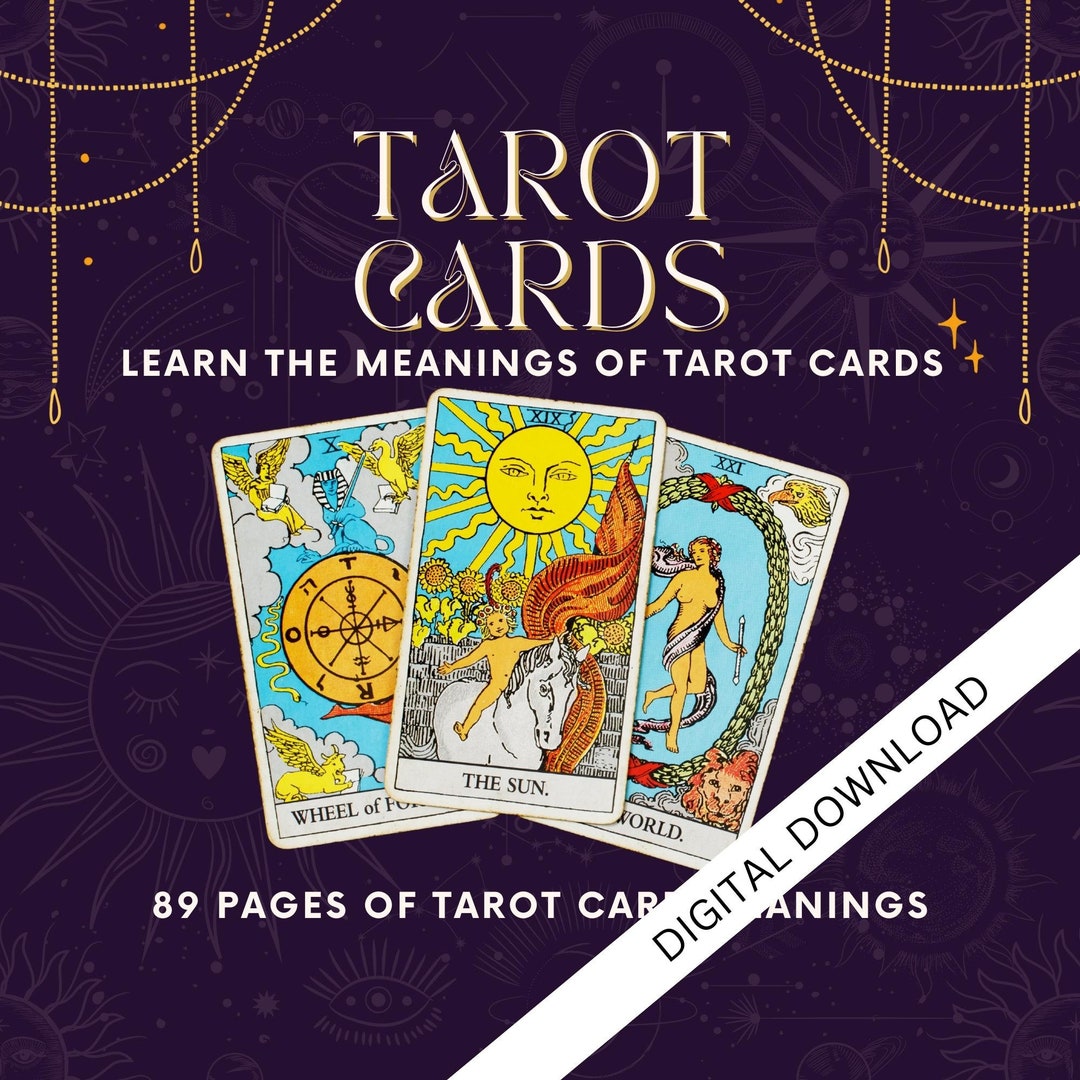
Tarot is a deck of 78 cards used for divination, self-reflection, and spiritual guidance. While many associate Tarot with fortune-telling, it’s also a powerful tool for introspection and personal growth. The deck is divided into two main sections: the Major Arcana and the Minor Arcana. The Major Arcana consists of 22 cards representing significant life themes, while the Minor Arcana has 56 cards divided into four suits—Cups, Pentacles, Swords, and Wands—each reflecting everyday experiences.
Each card carries rich symbolism, from archetypal figures to elemental forces. Whether you’re drawn to the mystical allure of the High Priestess or the fiery energy of the Tower, Tarot offers a mirror to your inner world and the world around you.
The Major Arcana: Life’s Grand Journey
The Major Arcana cards tell a story of personal evolution, from the innocent Fool’s journey to the enlightened World. These cards often represent pivotal moments, challenges, or spiritual awakenings. For example:
- The Magician (I): A symbol of manifestation and resourcefulness. This card encourages you to harness your skills and take action.
- The Lovers (VI): Beyond romance, this card can signify choices, harmony, or alignment with your true values.
- Death (XIII): A card of transformation, not literal death. It signals the end of one phase and the beginning of another.
When these cards appear in a reading, they often highlight major themes in your life. Pay attention to their messages—they’re guiding you toward growth.

The Minor Arcana: Everyday Mysteries Unveiled
The Minor Arcana delves into the details of daily life, offering insights into relationships, career, challenges, and opportunities. Each suit corresponds to an element and a facet of human experience:
- Cups (Water): Emotions, relationships, and intuition. Cards like the Three of Cups celebrate joy and connection.
- Pentacles (Earth): Money, work, and material stability. The Ten of Pentacles, for instance, may indicate legacy or abundance.
- Swords (Air): Intellect, conflict, and communication. The Ace of Swords represents clarity and decisive action.
- Wands (Fire): Passion, creativity, and ambition. The Eight of Wands suggests swift movement and progress.
Reversed cards add another layer of meaning, often indicating blockages or internal struggles. For example, the reversed Three of Swords might suggest unresolved heartache, while the upright card signals healing.
How to Read Tarot Cards: A Step-by-Step Guide
Reading Tarot is both an art and a practice. Start with a simple three-card spread to explore past, present, and future influences. Here’s how:
- Shuffle the Deck: Focus on your question or intention as you shuffle. Some prefer to cut the deck with their non-dominant hand for added intuition.
- Draw Your Cards: Lay out the cards in your chosen spread. Trust your first impressions—their imagery and symbols will guide you.
- Interpret the Cards: Combine traditional meanings with your intuitive insights. For example, the Five of Pentacles might suggest financial stress, but its placement in a spread could reveal a temporary challenge rather than a crisis.
- Reflect and Journal: Write down your interpretations and any emotions or thoughts that arise. Over time, you’ll notice patterns in your readings.
Remember, there are no “wrong” interpretations—only those that resonate with you. The more you practice, the more confident you’ll become in your readings.
Pose a Playful Question: The Challenge of Tarot
Tarot thrives on curiosity. Instead of asking yes/no questions, try framing inquiries that invite exploration:
- “What energy should I embrace to achieve my goals this month?”
- “How can I nurture my creativity in the coming weeks?”
- “What lesson is my current challenge trying to teach me?”
For a playful challenge, pull a card daily and reflect on its message. Notice how it connects to your experiences. Over time, you’ll develop a deeper relationship with the deck and your intuition.
Pro tip: Avoid asking about others’ free will (e.g., “Will my crush fall in love with me?”). Instead, focus on your own path and growth.
Common Tarot Pitfalls and How to Avoid Them
Even experienced readers can fall into traps. Here are a few to watch for:
- Over-reliance on guidebooks: While reference guides are helpful, don’t let them limit your intuition. Let the cards speak to you first.
- Ignoring reversed cards: Reversals aren’t “bad”—they often highlight internal or subconscious influences. Approach them with curiosity.
- Fear of the unknown: Tarot is a tool for guidance, not a crystal ball. Embrace uncertainty as part of the journey.
- Reading for others without consent: Always ask before offering a reading to someone else. Respect their boundaries and privacy.
Conclusion: Your Tarot Journey Awaits
Tarot is more than a deck of cards—it’s a gateway to self-discovery, creativity, and connection. Whether you use it for divination, meditation, or artistic inspiration, the key is to approach it with an open heart and mind. Start with simple spreads, trust your intuition, and let the cards guide you toward deeper understanding.
Remember, the real magic of Tarot lies in the questions you ask and the insights you uncover. So, shuffle that deck, pull a card, and let the journey begin!
FAQ
What is Tarot?
Tarot is a deck of 78 cards used for divination, self-reflection, and spiritual guidance, divided into Major and Minor Arcana.
How do I read Tarot cards?
Start by shuffling the deck while focusing on your question, then draw cards and interpret their meanings based on both traditional meanings and your intuition.
What are the Major Arcana cards?
The Major Arcana consists of 22 cards representing significant life themes, such as The Fool, The Lovers, and Death.
What are the suits in the Minor Arcana?
The Minor Arcana includes four suits: Cups, Pentacles, Swords, and Wands, each representing different aspects of daily life.
Leave a Reply