Short Answer
Welcome to a comprehensive exploration of Tarot by Position, where we uncover the hidden layers behind one of divination’s most intriguing practices. Whether you’re a seasoned reader or a curious newcomer, this guide will illuminate how the placement of Tarot cards influences their meaning, why certain positions resonate deeply with seekers, and how these insights reveal profound truths about human psychology and spirituality. By the end, you’ll understand not just the mechanics of Tarot spreads, but the deeper reasons why they captivate millions worldwide.
The Psychology Behind Tarot Placement: Why Positions Matter
At first glance, Tarot positions seem like simple containers for cards, but they function as psychological mirrors. Each position in a spread acts as a lens, focusing the querent’s attention on specific life areas—past, present, future, challenges, or subconscious influences. For example, the “Past” position often reveals unresolved emotions or patterns, while the “Future” position highlights potential outcomes if current trajectories continue. This structured approach appeals to the human brain’s need for order, making abstract concepts tangible. Studies in cognitive psychology suggest that people are more likely to trust interpretations when they’re framed within a recognizable structure, which is why Tarot’s positional clarity fosters deep engagement.
Moreover, the language of positions taps into universal archetypes. The “Challenges” position, for instance, resonates with the Hero’s Journey narrative, where obstacles are framed as necessary trials. This archetypal resonance explains why Tarot’s positional system feels intuitively correct—it aligns with stories humans have told for millennia. The deeper fascination lies in how these positions validate personal experiences, offering a sense of control in an unpredictable world.
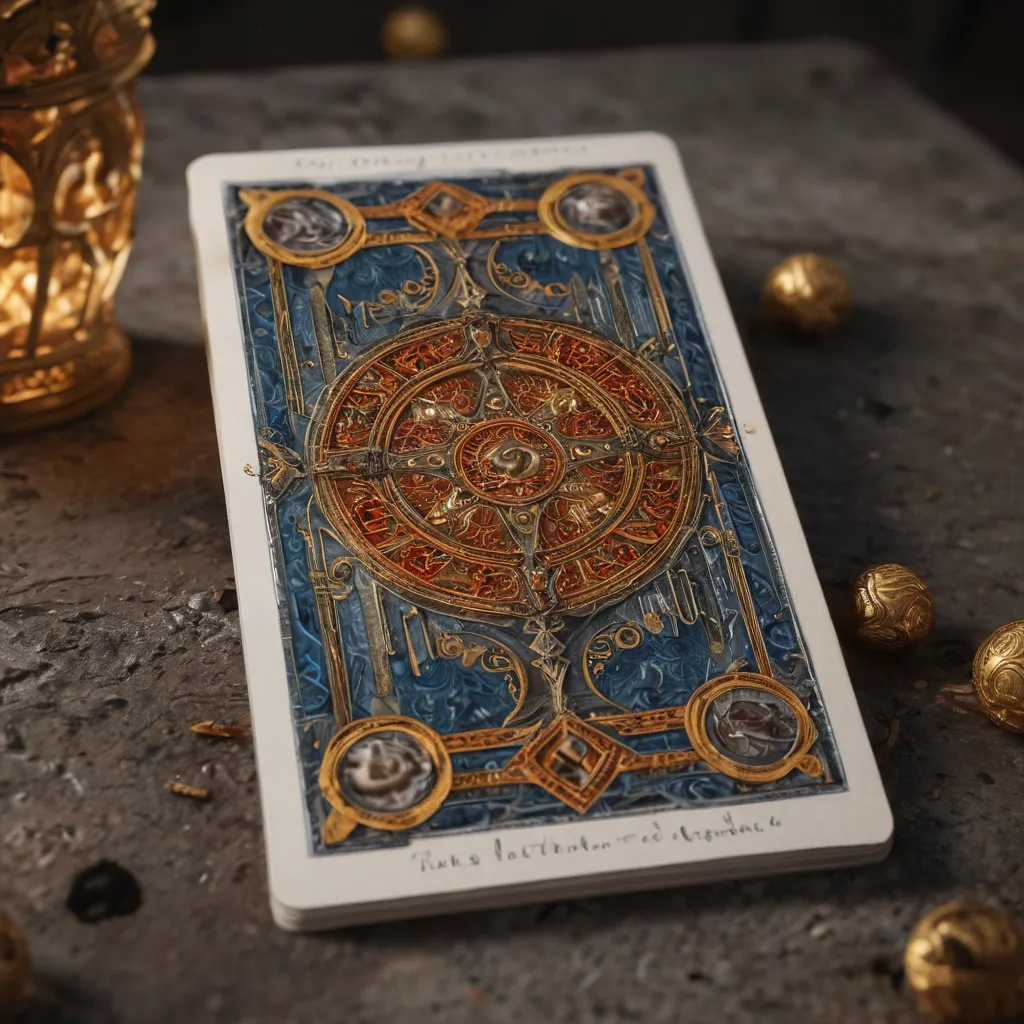
Common Observations About Tarot Positions and Their Hidden Meanings
One of the most frequent observations in Tarot practice is that certain positions consistently evoke strong emotional reactions. The “Outcome” position, for example, often triggers anxiety or hope, depending on the card drawn. This isn’t coincidental—it reflects the querent’s investment in the question. Psychologically, the “Outcome” position acts as a projection screen for fears and desires, making it a powerful tool for self-reflection. Similarly, the “Advice” position frequently contains cards like The Magician or The Empress, symbols of empowerment and nurturing, which align with the querent’s subconscious need for guidance.
Another common observation is the “blocked” or “empty” position, where a card’s absence feels as significant as its presence. In spreads like the Celtic Cross, an empty “Challenge” position might indicate that the querent is avoiding confrontation, while an empty “Past” position could suggest a refusal to acknowledge history. These nuances highlight how Tarot positions serve as diagnostic tools, revealing not just what is, but what is being ignored or suppressed. The deeper reason for this fascination lies in the human tendency to seek patterns—even when they’re absent—because patterns provide a sense of understanding in chaos.
How to Interpret Tarot Positions Like a Pro: Practical Tips
Interpreting Tarot positions effectively requires balancing structure with intuition. Start by familiarizing yourself with traditional meanings of positions in classic spreads (e.g., the “Hopes/Fears” position in the Horseshoe spread or the “Subconscious” position in the 12-card spread). However, don’t let rigid definitions limit you. For instance, a card like The Tower in the “Past” position might indicate a past upheaval, but its presence in the “Future” position could signal a necessary transformation. Context is everything.
Another pro tip is to consider the querent’s relationship to the position. If they’re fixated on the “Love” position in a relationship spread, explore how their expectations shape the interpretation. Tarot positions are not just about the cards—they’re about the dialogue between the reader, the querent, and the symbols. This interactive element is why Tarot remains a dynamic, evolving practice rather than a static system.

The Cultural and Historical Roots of Tarot Position Systems
The use of positions in Tarot is deeply rooted in both esoteric traditions and practical divination. Medieval cartomancy systems, such as the 15th-century Italian *minchiate* decks, already employed positional layouts to convey complex narratives. Later, the Hermetic Order of the Golden Dawn refined these systems, assigning elemental correspondences to positions (e.g., Fire for the “Present,” Water for the “Subconscious”). This blending of astrology, alchemy, and Kabbalah created a rich tapestry of meanings that modern readers still draw upon.
Culturally, Tarot positions reflect societal values. In the Victorian era, spreads like the “Grand Tableau” (a 10-card spread) were used to address domestic concerns, mirroring the era’s emphasis on family and morality. Today, positions like “Shadow Self” or “Higher Self” in psychological spreads mirror New Age spiritualism’s focus on self-actualization. The enduring appeal of positional systems lies in their adaptability—they evolve with cultural shifts while retaining a core structure that feels timeless.
Why Tarot Positions Resonate So Deeply: The Human Connection
The real magic of Tarot positions isn’t in the cards themselves, but in how they mirror the human experience. Positions like “Obstacles” or “External Influences” validate the complexity of life by breaking it into digestible segments. This fragmentation is comforting because it makes the intangible—fate, emotions, subconscious drives—feel manageable. It’s no wonder that people are drawn to Tarot during times of uncertainty; the positions provide a narrative framework to process ambiguity.
Additionally, Tarot positions foster a sense of agency. By assigning a card to a specific life area, the querent gains a sense of control over their narrative. Even when the card is ominous (e.g., The Hanged Man in the “Challenge” position), the act of naming the issue demystifies it. This psychological empowerment is why Tarot remains a beloved tool for introspection, therapy, and even corporate decision-making. The positions act as a bridge between the mystical and the mundane, offering a language to articulate what words alone cannot.
Conclusion
Tarot by Position is far more than a mechanical system—it’s a dynamic interplay between structure and intuition, history and modernity, psychology and spirituality. By understanding the deeper reasons behind positional meanings, you unlock not just the cards’ messages, but the profound human need for pattern, meaning, and control. Whether you use Tarot for personal growth, creative inspiration, or spiritual exploration, the positions serve as a compass, guiding you through life’s labyrinth with wisdom and clarity. Embrace the positions not as rigid rules, but as invitations to explore the layers of your own psyche. In doing so, you’ll discover why Tarot continues to captivate hearts and minds across the globe.
FAQ
What are Tarot positions?
Tarot positions refer to the specific locations within a spread where cards are placed, influencing their interpretation and meaning.
Why are positions important in Tarot readings?
Positions provide structure and clarity, allowing readers and querents to focus on specific life areas and psychological insights.

Leave a Reply