Short Answer
Welcome to your comprehensive guide on Tarot in Dreams: Messages from Your Subconscious. In this article, you’ll explore how tarot cards can appear in your dreams, what these visions might signify, and how to interpret their meanings. You’ll learn about the symbolism behind common tarot cards in dreams, techniques for journaling and analyzing your dreams, and ways to use this knowledge for personal growth. Whether you’re a seasoned tarot reader or new to dream interpretation, this guide will help you unlock the hidden messages your subconscious is trying to convey.
Understanding Tarot Symbolism in Dreams
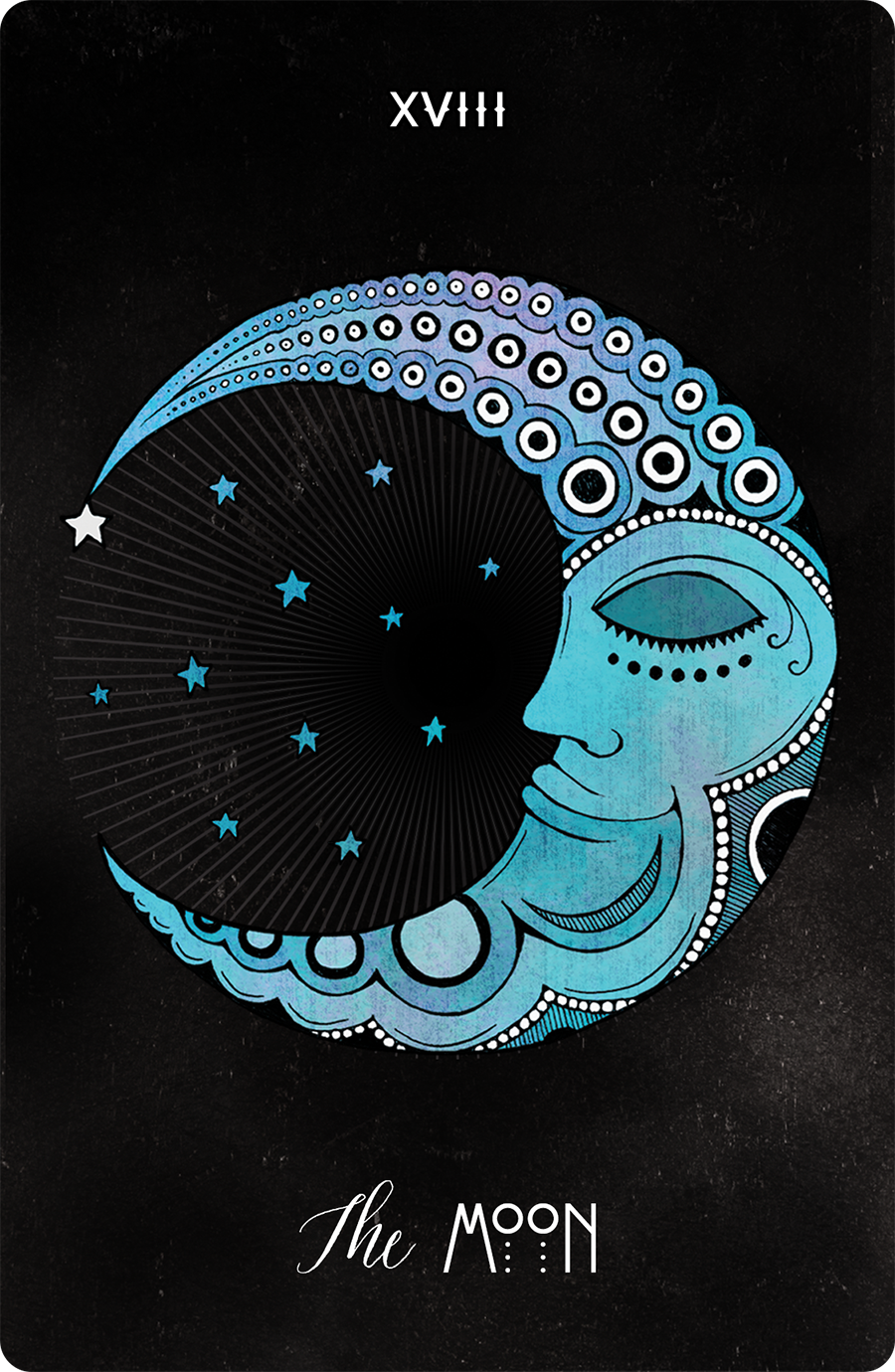
Tarot cards are rich with symbolism, and when they appear in your dreams, they often carry profound messages. Each card in the tarot deck represents different aspects of life, emotions, and spiritual growth. For example, dreaming of The Fool might symbolize new beginnings or a leap of faith, while The Moon could indicate intuition, illusions, or hidden fears. Understanding the core meanings of these cards is the first step in interpreting their presence in your dreams.

To deepen your understanding, familiarize yourself with the Major Arcana and Minor Arcana. The Major Arcana cards, such as The Lovers or Death, often represent significant life events or spiritual lessons. The Minor Arcana, divided into suits like Cups, Swords, Wands, and Pentacles, reflect everyday experiences and challenges. Pay attention to the imagery, colors, and emotions evoked by the cards in your dreams, as these details can provide clues to their meanings.
Common Tarot Cards in Dreams and Their Meanings
Certain tarot cards frequently appear in dreams due to their universal themes. Below are some of the most common cards and their potential interpretations:
- The High Priestess: Represents intuition, mystery, and the subconscious mind. Dreaming of this card may suggest a need to trust your instincts or explore hidden aspects of yourself.
- The Tower: Symbolizes sudden change, upheaval, or revelation. This card in a dream could indicate that a significant shift is on the horizon or that you’re being called to release old patterns.
- Three of Cups: Reflects celebration, friendship, and joy. Dreaming of this card might signify a time of connection with loved ones or a need to embrace happiness in your life.
- Ten of Swords: Often associated with endings or betrayal. This card in a dream could signal the conclusion of a difficult phase or a warning to protect your emotional well-being.
Keep in mind that the context of the dream and your personal associations with the cards are crucial. For instance, if you’ve recently drawn The Chariot in a tarot reading, seeing it in a dream might reinforce themes of determination and control in your life.
Techniques for Interpreting Tarot Dreams
Interpreting tarot dreams requires a blend of intuition and structured analysis. Start by journaling your dreams as soon as you wake up. Write down every detail you remember, including the emotions, colors, and people involved. Over time, you’ll notice patterns that connect your dreams to your waking life.
Another effective technique is to pull a tarot card for each dream you record. Place the card next to your journal entry and reflect on how its imagery and meaning resonate with the dream. You can also ask yourself questions like: What emotions did the dream evoke? or What challenges or opportunities does the dream present?
Meditation and visualization can also enhance your interpretation skills. Before sleep, set an intention to receive guidance from your subconscious. Visualize a tarot card that represents your current life situation, and ask for clarity in your dreams. Upon waking, note any insights or symbols that stand out.
Using Tarot Dreams for Personal Growth
Tarot dreams are not just random images—they are messages from your subconscious designed to guide you. By paying attention to these dreams, you can gain valuable insights into your emotions, fears, and desires. For example, if you repeatedly dream of The Hermit, it might be a sign to take time for introspection and self-discovery.
You can also use tarot dreams to set intentions for your waking life. If a dream leaves you with a strong emotion, such as fear or excitement, consider how you can channel that energy into positive action. For instance, a dream about The Star might inspire you to pursue a creative project or focus on hope during a challenging time.
Additionally, tarot dreams can help you resolve inner conflicts. If you dream of a card like Justice, it may be urging you to make a fair decision or seek balance in a situation. Reflect on how the dream’s message aligns with your current life circumstances and take steps to address any unresolved issues.
Connecting Tarot Dreams to Your Waking Life
To bridge the gap between your dreams and reality, look for connections between the symbols in your dreams and your daily experiences. For example, if you dream of The Wheel of Fortune, it might indicate a period of change or unpredictability in your life. Pay attention to synchronicities—such as seeing the same card in a tarot spread or encountering it in media—as these can reinforce the dream’s message.
Another way to connect your dreams to your waking life is to create a dream altar. Place tarot cards that resonate with your recent dreams on a small table or shelf. This can serve as a visual reminder to reflect on the messages you’ve received and how they apply to your life.
You can also share your tarot dreams with a trusted friend or tarot reader. Discussing your dreams can provide new perspectives and help you uncover deeper meanings. If you’re part of a tarot community, consider joining discussions or workshops focused on dream interpretation.
Conclusion
Tarot dreams offer a unique window into your subconscious, providing guidance, warnings, and insights that can shape your waking life. By understanding the symbolism of tarot cards, journaling your dreams, and reflecting on their meanings, you can harness the power of these messages for personal growth. Whether you’re seeking clarity, healing, or inspiration, your dreams are a valuable tool for self-discovery.
Start paying closer attention to the tarot cards that appear in your dreams, and trust that your subconscious is guiding you toward greater understanding. With practice and patience, you’ll develop a deeper connection to both your dreams and the wisdom of the tarot.
FAQ
What does it mean when tarot cards appear in dreams?
When tarot cards appear in dreams, they often symbolize messages from your subconscious, reflecting your emotions, fears, and desires.
How can I interpret tarot dreams?
You can interpret tarot dreams by journaling your dreams, analyzing the symbols, and relating them to your waking life experiences.
Leave a Reply