Short Answer
Are you caught in a relationship where compromise feels like losing a piece of yourself? Do you ever wonder if the balance between giving and maintaining your identity has tipped too far? In this guide, we’ll explore the delicate dance of temperance in relationships—where compromise meets self-preservation. You’ll uncover the signs of imbalance, learn how to set boundaries without guilt, and discover strategies to nurture both your connection and your individuality. By the end, you’ll have a clearer path to a healthier, more fulfilling partnership.
What Is Temperance in a Relationship?
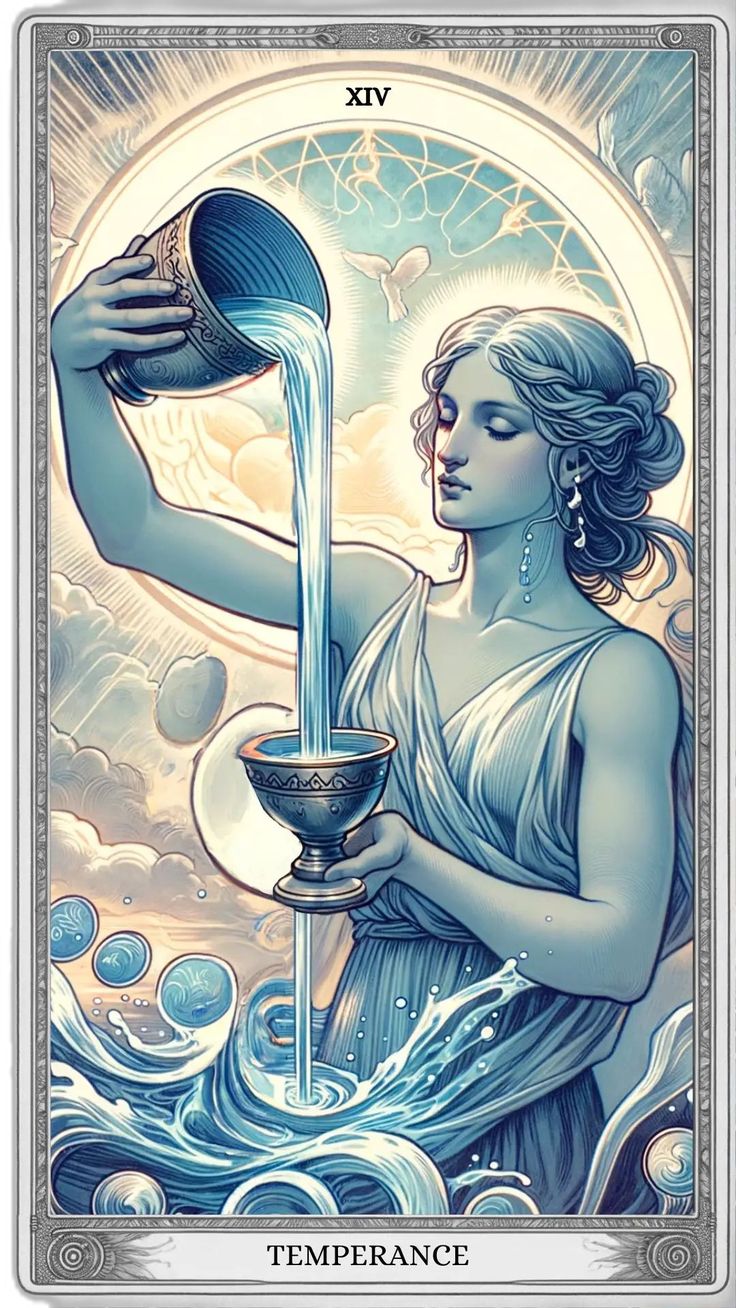
Temperance in relationships refers to the art of balance—knowing when to give and when to stand firm. It’s not about suppressing your needs to keep the peace or demanding your way at the expense of your partner. Instead, it’s about finding harmony where both voices are heard and respected. Think of it as a seesaw: too much weight on one side tips the balance, but with careful adjustments, it can hover in perfect equilibrium. This concept draws from the traditional definition of temperance as moderation and self-control, but in a romantic context, it’s about applying those principles to your dynamic with your partner.

When temperance is present, compromise feels natural rather than forced. You might adjust your plans for a date night without resentment or voice your opinions without fear of conflict. The key is mutual respect—where neither partner feels like they’re constantly sacrificing their happiness for the sake of the relationship. Without this balance, relationships can become a one-sided exchange, leaving one person feeling drained and the other unfulfilled.
Signs You’re Compromising Too Much (Or Not Enough)
How do you know if you’ve crossed the line from healthy compromise to self-erasure? Start by asking yourself a few questions. Do you often say “yes” when you mean “no”? Do you feel guilty for prioritizing your needs? These could be red flags that you’re compromising too much. On the flip side, if you never bend, even on small things, your relationship might lack the flexibility needed for growth. The challenge lies in recognizing where you stand—and it’s not always black and white.
Another sign of imbalance is resentment. If you find yourself stewing over past concessions or feeling like your partner takes advantage of your willingness to adapt, it’s time to reassess. Similarly, if your partner dismisses your needs entirely, that’s a sign they’re not engaging in the give-and-take that defines a tempered relationship. The goal isn’t to keep score but to ensure both partners feel valued and heard.

The Fine Line Between Compromise and Losing Yourself
Compromise is often glorified as the cornerstone of a strong relationship, but it’s easy to blur the line between healthy adaptation and losing your sense of self. For example, changing your dietary habits to match your partner’s preferences is one thing, but giving up a hobby you love because they don’t enjoy it crosses into unhealthy territory. The difference lies in intention: compromise should enhance your connection, not diminish your identity.
Consider the story of a couple where one partner loves traveling while the other prefers staying home. A balanced approach might involve planning a mix of trips and cozy weekends. But if one partner always cancels their travel plans to accommodate the other, resentment builds. The challenge is to find solutions that honor both partners’ desires without sacrificing personal joy. This requires open communication and a willingness to explore creative alternatives.
How to Set Boundaries Without Guilt
Setting boundaries can feel daunting, especially if you’re used to putting your partner’s needs first. Start small by identifying your non-negotiables—those things you’re unwilling to compromise on, whether it’s alone time, financial decisions, or personal values. Communicate these boundaries clearly and calmly, using “I” statements to avoid sounding accusatory. For example, “I need some time to myself on Sundays to recharge” is less confrontational than “You’re always demanding my time.”
It’s also important to recognize that boundaries aren’t walls; they’re guidelines that help both partners understand each other’s limits. If your partner reacts poorly to your boundaries, it may signal deeper issues in the relationship. Healthy partners will respect your needs and work with you to find a middle ground. If they don’t, it’s worth asking whether the relationship is truly serving your well-being.
Strategies for Balancing Compromise and Self-Preservation
Balancing compromise and self-preservation starts with self-awareness. Take time to reflect on your needs and values, and don’t be afraid to voice them. Practice assertiveness by expressing your thoughts without aggression or passivity. For instance, if your partner wants to spend every weekend with friends, you might say, “I’d love to have one weekend a month just for us.”
Another strategy is to schedule regular check-ins with your partner to discuss how the relationship is working for both of you. Use these conversations to celebrate the compromises that feel good and address the ones that don’t. It’s also helpful to remind yourself that compromise isn’t a one-time negotiation—it’s an ongoing process that evolves as your relationship grows.
When Compromise Becomes a Power Struggle
Sometimes, what starts as a compromise can turn into a power struggle, where one partner consistently dominates the decisions. This often happens when there’s an imbalance of control, whether due to personality differences, past experiences, or external pressures. For example, if one partner always decides where to eat or what to watch, the other may feel like their preferences don’t matter. Over time, this can erode trust and create resentment.
To counter this, focus on collaboration rather than competition. Frame decisions as opportunities to strengthen your bond rather than tests of who “wins.” If your partner dismisses your input, it’s a sign to have a deeper conversation about equality in the relationship. Remember, a true partnership thrives on mutual respect, not one-sided concessions.
Conclusion
The journey of temperance in a relationship is ongoing, filled with opportunities to learn and grow together. It’s about finding that sweet spot where compromise feels like an act of love, not a sacrifice of self. By staying attuned to your needs, setting boundaries with kindness, and fostering open communication, you can create a relationship that honors both your connection and your individuality. The next time you’re faced with a tough decision, ask yourself: Is this compromise enhancing our bond, or am I losing a piece of myself? The answer will guide you toward a healthier, happier partnership.
FAQ
What is temperance in a relationship?
Temperance in a relationship refers to the balance between giving and maintaining one's identity, ensuring both partners feel valued and heard.
How can I set boundaries in my relationship?
Start by identifying your non-negotiables, communicate clearly using 'I' statements, and ensure your partner respects your needs.
What are signs of compromising too much?
Feeling guilty for prioritizing your needs or frequently saying 'yes' when you mean 'no' are signs that you may be compromising too much.
Leave a Reply