Short Answer
In this guide, you’ll discover the profound meaning behind Tend to Your Health – The Card That Says “Rest”, a thoughtful expression that transcends mere words. You’ll explore how this simple yet powerful message serves as a gentle reminder to prioritize well-being, embrace stillness, and nurture the body and mind. From the poetic symbolism of “rest” to the emotional resonance it carries, this guide will illuminate why such a card holds a unique place in thoughtful gifting and personal reflection. By the end, you’ll understand how this seemingly small gesture can convey deep care and intention.
The Metaphor of Rest: A Sanctuary for the Soul
At the heart of this card’s appeal lies the metaphor of “rest” — not as mere inactivity, but as a sacred pause in the relentless rhythm of life. Rest is portrayed as a sanctuary, a place where the mind unwinds, the body rejuvenates, and the spirit finds solace. Unlike fleeting moments of relaxation, this rest is intentional, a deliberate act of self-preservation and self-respect. The card’s message transforms rest from a luxury into a necessity, inviting the recipient to view downtime not as idleness, but as an essential component of health and wholeness.
This metaphor resonates deeply in today’s fast-paced world, where productivity is often equated with worth. By framing rest as an act of care, the card gently challenges societal norms and encourages a shift in perspective. It whispers that healing begins not in motion, but in stillness — a radical idea in a culture that glorifies constant doing. The imagery of a resting figure, a closed door, or a serene landscape reinforces this idea visually, making the message both immediate and enduring.

Why “Rest” is the Ultimate Gift of Care
Gifting a card that says “Rest” is an act of profound kindness. In a society where people often feel guilty for slowing down, such a message validates the recipient’s need for pause. It says, “I see you. I honor your limits. You are allowed to stop.” This kind of acknowledgment is rare and deeply meaningful, especially for those juggling multiple responsibilities or recovering from burnout.
The appeal of this card lies in its universality. Whether given to a new parent, a high-achieving professional, a caregiver, or someone healing from illness, the message adapts effortlessly. It doesn’t prescribe how to rest or when — it simply offers permission. This flexibility makes it a timeless and inclusive gift, one that speaks to the shared human experience of exhaustion and the universal longing for renewal.
Moreover, the card transforms the act of receiving into an experience of being seen. It’s not just a note; it’s an invitation to self-compassion. In a world where people often push themselves to the brink, this small gesture can spark a much-needed internal shift — from self-criticism to self-care, from obligation to grace.
The Language of Stillness: Crafting a Message That Resonates
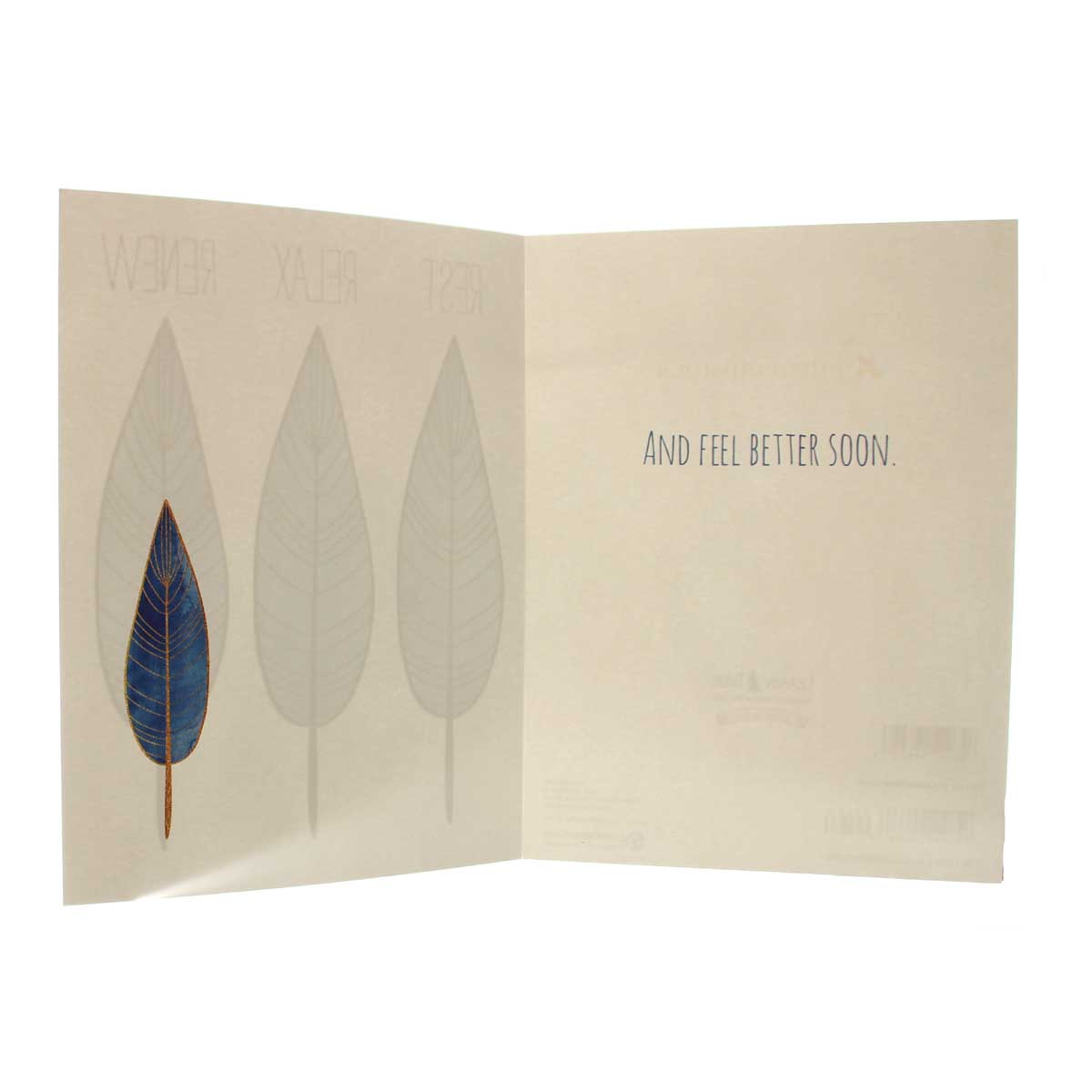
The power of this card is amplified by the language used. The word “rest” is simple, yet loaded with layers of meaning. It can imply sleep, meditation, solitude, or simply doing less. The brevity of the message ensures it is accessible, yet its depth invites reflection. When paired with thoughtful design — soft colors, organic textures, or minimalist typography — the card becomes a visual poem, a tactile reminder of peace.
Some versions of this card incorporate affirmations or gentle prompts, such as “Take time to breathe,” “Your well-being matters,” or “Pause and restore.” These additions deepen the emotional impact, guiding the recipient not just to rest, but to reflect on why rest is important. The language avoids judgment or pressure, instead offering warmth and encouragement. It’s a dialogue in silence, a conversation between the giver and receiver that happens without words.
Design Elements That Elevate the Message
The visual appeal of the card plays a crucial role in its emotional resonance. Many designs feature soft, muted tones — sage green, warm beige, muted lavender — colors that evoke calm and safety. Others use natural imagery: a quiet forest, a still lake, a sunlit window. These elements ground the message in the tangible world, making rest feel not abstract, but real and attainable.
Typography is another key factor. Handwritten fonts or elegant serifs can convey intimacy and care, while clean sans-serifs offer clarity and modernity. Some cards include subtle textures like linen or watercolor, adding a tactile quality that invites touch. The physicality of the card — its weight, its feel, its scent — becomes part of the experience, making the message linger long after it’s read.
Who Benefits Most from This Message?
This card is ideal for anyone navigating a season of challenge or change. It’s perfect for someone recovering from surgery, a new parent adjusting to sleepless nights, a student facing exams, or a professional recovering from burnout. It’s also meaningful for those celebrating a milestone — a graduation, promotion, or new beginning — as a reminder that rest is not a reward for later, but a foundation for all growth.
It’s equally powerful as a daily affirmation. Placed on a desk, nightstand, or fridge, the card serves as a quiet nudge to pause, breathe, and reconnect with oneself. In moments of overwhelm, it becomes a lifeline — a tangible symbol of support from someone who cares.
Conclusion
Tend to Your Health – The Card That Says “Rest” is more than a greeting card; it’s a quiet revolution in how we view self-care. By framing rest as an act of courage and compassion, it challenges the myth that constant productivity equals value. It reminds us that healing begins in stillness, and that true strength includes the wisdom to stop.
In a world that often measures worth by output, this card offers a different kind of currency — presence, peace, and permission. Whether given as a gift, kept as a personal reminder, or shared in a moment of need, its message endures. It doesn’t just say “rest” — it says, “You are worthy of care. You are allowed to slow down. You are enough, as you are.” And in those words lies a quiet, transformative power.
FAQ
What does the card that says 'Rest' represent?
The card symbolizes the importance of taking a pause in life, emphasizing rest as essential for health and well-being.
Who can benefit from receiving this card?
Anyone feeling overwhelmed or in need of self-care, such as new parents, professionals experiencing burnout, or individuals recovering from illness.
Leave a Reply