Short Answer
Welcome to a deep exploration of The Devil Love – Toxic Attraction, a phenomenon that blends allure with danger, passion with peril. In this guide, you’ll uncover the seductive nature of toxic relationships, understand their psychological underpinnings, and learn how to recognize their subtle yet destructive charms. By the end, you’ll see why such connections can feel irresistibly magnetic, even as they unravel lives. Let’s dive into the twisted dance of love and toxicity.
The Allure of the Toxic Flame: Why We’re Drawn to Danger
Toxic attraction is not a flaw in judgment—it’s a paradox of human nature. There’s an undeniable thrill in the chaos, a rush that comes from loving someone who is as unpredictable as they are captivating. This kind of relationship often feels like a high-stakes game, where every moment is charged with intensity. The brain, wired to seek novelty and excitement, can mistake toxicity for passion. The highs are higher, the lows are lower, and the emotional rollercoaster becomes addictive. It’s the classic tale of the moth drawn to the flame, unable to resist the heat even as it singes its wings.
Metaphorically, toxic love can be likened to a storm—wild, beautiful, and destructive all at once. The chaos feels alive, while stability feels dull by comparison. This is why many find themselves trapped in cycles of drama, unable to break free despite the pain. The relationship becomes a mirror, reflecting not just the partner’s flaws but one’s own unmet needs for validation, excitement, or control.
The Language of Toxicity: Words That Wound and Words That Woo
Communication in toxic relationships is a double-edged sword. On one side, there are the honeyed words—flattery, promises, and declarations of undying love that make the heart flutter. On the other, there are the barbs—criticism disguised as concern, manipulation framed as devotion, and guilt-tripping cloaked in care. The language becomes a weapon, wielded with precision to keep the other person off-balance and dependent.
Phrases like “I can’t live without you” or “No one understands us like we do” create an illusion of exclusivity and necessity. Yet, beneath the surface, these words erode self-worth. The victim becomes conditioned to believe that their happiness is tied to the toxic partner’s approval, making escape feel impossible. The irony? The very words that bind also become the chains that shackle.
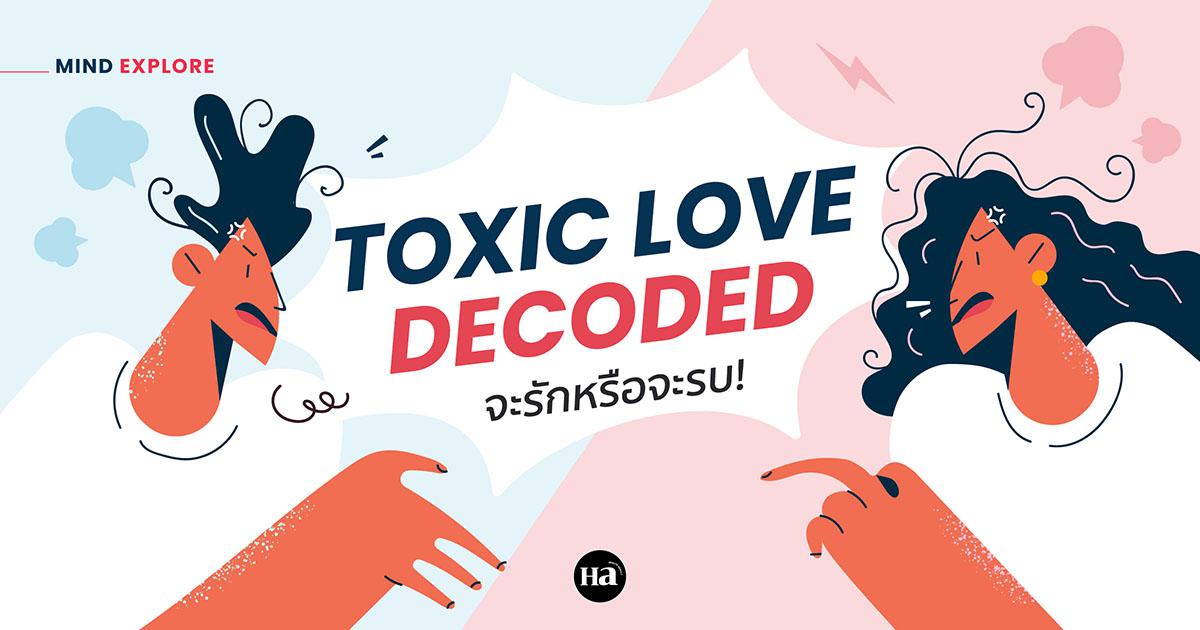
The Psychology Behind the Poison: Why We Stay
Understanding the psychology of toxic attraction requires peeling back layers of trauma, attachment styles, and societal conditioning. For many, toxic relationships echo early childhood experiences—perhaps a parent who was emotionally unavailable or a caregiver who oscillated between affection and neglect. These patterns create a subconscious belief that love must be earned through suffering, or that intensity equals depth.
Additionally, the intermittent reinforcement of good and bad behavior—where moments of tenderness are followed by cruelty—creates a dopamine-driven addiction. The brain becomes hooked on the hope of the next “fix” of affection, making it nearly impossible to walk away. This is why victims often rationalize abuse, making excuses for their partner’s behavior or blaming themselves instead.
Another layer is the fear of loneliness. The idea of being alone can feel more terrifying than staying in a toxic dynamic, especially if the relationship has been the primary source of companionship. The devil you know, after all, seems safer than the unknown.
The Stages of the Toxic Tango: From Infatuation to Ruin
Toxic relationships rarely start with red flags. Instead, they begin with a whirlwind of passion—intense chemistry, shared secrets, and a sense of being “meant to be.” This honeymoon phase is intoxicating, blinding the victim to the warning signs that follow. Slowly, the dynamic shifts. Criticism creeps in, disguised as jokes or “tough love.” Then comes the guilt-tripping, where the partner plays the victim to manipulate. Eventually, the cycle escalates to outright control—monitoring messages, isolating the victim from friends, or even financial abuse.
What’s insidious is how the victim’s self-esteem erodes over time. They start to believe they’re the problem, that they’re “too sensitive” or “not trying hard enough.” The toxic partner becomes the authority on their worth, and the victim’s reality is distorted. The relationship becomes a prison of their own making, where the bars are made of self-doubt.

Breaking Free: The Path to Detoxifying Love
Escaping a toxic relationship is rarely a single moment of clarity—it’s a journey of small, deliberate steps. The first is recognizing the pattern for what it is: not love, but a form of emotional captivity. This realization often comes with a flood of shame or guilt, but it’s crucial to remember that staying is not a sign of strength. Walking away takes immense courage.
Next comes setting boundaries, even if it means cutting contact entirely. This might involve blocking the toxic partner on social media, changing routines to avoid triggers, or seeking support from trusted friends. Therapy can be a lifeline, offering tools to rebuild self-worth and break the cycle of codependency. It’s also important to grieve the relationship—not for the toxic partner, but for the love that was promised and never delivered.
Finally, rediscovering one’s identity outside the relationship is key. Toxic love thrives on erasing the self, so reclaiming hobbies, goals, and friendships is an act of rebellion. It’s a slow process, but each small victory—like saying no without guilt or enjoying a solo activity—reinforces the belief that freedom is possible.
Conclusion
The devil’s love is a siren song, a melody that promises ecstasy but delivers ruin. It preys on our deepest desires—for connection, passion, and validation—and twists them into chains. Yet, understanding its mechanics is the first step toward liberation. Toxic attraction is not a life sentence; it’s a lesson in resilience. By recognizing the signs, understanding the psychology, and committing to self-respect, anyone can break free from its grip. The true allure of love lies not in its danger, but in its ability to uplift without destroying. Choose wisely.
FAQ
What is toxic attraction?
Toxic attraction refers to the compelling pull individuals feel towards partners who exhibit harmful behaviors, often leading to destructive relationships.
How can one recognize a toxic relationship?
Signs of a toxic relationship include manipulation, emotional instability, and a cycle of highs and lows that erodes self-esteem.
What steps can be taken to escape a toxic relationship?
Recognizing the toxicity, setting boundaries, seeking support, and rediscovering one’s identity are vital steps towards breaking free.
Leave a Reply