Short Answer
Have you ever gazed up at the moon and wondered what secrets it might whisper to the shadows? The interplay between the moon and the devil has long been a source of fascination, blending darkness, illusion, and mystery into a captivating narrative. In this guide, we’ll explore the symbolic relationship between the moon and the devil, delve into artistic interpretations, and even pose a playful challenge to test your own perceptions. By the end, you’ll see how these celestial and mythological figures intertwine to create a world of intrigue and wonder.
The Moon as a Symbol of Darkness and Illusion
The moon has long been associated with mystery, change, and the subconscious. Its phases—from the waxing crescent to the full moon—mirror the cycles of life, death, and rebirth. In many cultures, the moon is a silent witness to the unseen, a celestial body that illuminates the night while casting shadows that distort reality. This duality makes it a perfect companion for the devil, a figure often linked to temptation, deception, and the unknown.

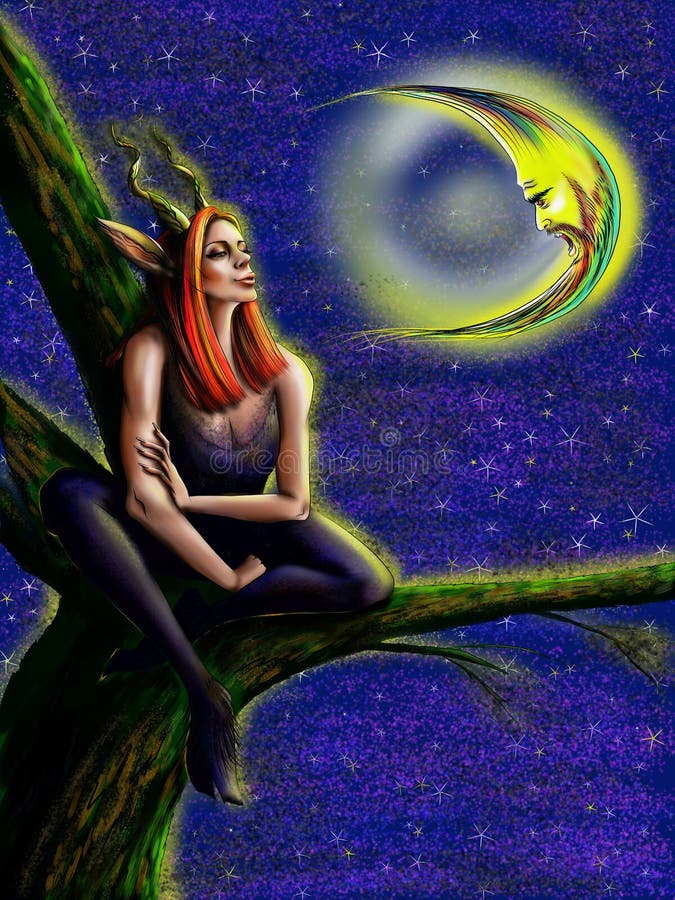
Artists have captured this interplay in striking visuals, where the moon’s glow is both enchanting and eerie. For example, the image of the moon and the devil in conversation suggests a dialogue between light and darkness, where one cannot exist without the other. The moon’s silver light becomes a stage for the devil’s mischief, creating an atmosphere where truth and illusion blur.
The Devil: A Figure of Temptation and Shadow
The devil, in mythology and folklore, is often portrayed as a trickster who challenges moral boundaries. Whether as a tempter in religious texts or a mischievous figure in modern storytelling, the devil embodies the allure of the forbidden. When paired with the moon, this figure takes on a new dimension—one where the night sky becomes a playground for deception and intrigue.
In art, the devil is sometimes depicted as a shadowy silhouette against the moon’s glow, or as a whispering presence that coaxes the viewer into questioning reality. The moon’s light, while beautiful, can also be deceptive, creating illusions like the “moon illusion,” where the moon appears larger near the horizon than when high in the sky. This phenomenon adds another layer to the moon-devil dynamic, where perception itself becomes a game.

Artistic Interpretations: Moon and Devil in Visual Storytelling
Artists have long been drawn to the moon-devil theme, using it to explore themes of duality, mystery, and the supernatural. Digital paintings, illustrations, and even surreal photography often depict the moon as a silent observer while the devil acts as a catalyst for chaos or revelation. For instance, one artwork shows the devil stepping “into the dark,” a metaphor for embracing the unknown or confronting one’s inner demons.
These visuals invite viewers to question: Is the devil a villain, a guide, or merely a reflection of our own doubts? The moon, in turn, serves as a constant—unchanging yet ever-present—while the devil dances in its light, creating a dynamic tension between stability and chaos. Such artworks challenge us to look beyond the surface and consider the deeper meanings behind these timeless symbols.

A Playful Challenge: Can You See the Illusion?
Now, let’s put your perception to the test. The moon’s illusions aren’t just visual phenomena—they’re also psychological. Stare at the moon for a few seconds, then shift your gaze to a blank wall. Do you see a faint afterimage? This trick of the eye mirrors how the moon and devil can play with our minds, making us question what’s real and what’s imagined.
Here’s a challenge: Next time you’re under a full moon, ask yourself—what would the devil say to you? Would it be a warning, a joke, or a riddle? Write down your thoughts or sketch what you imagine. You might be surprised by the stories your mind conjures.
Conclusion
The relationship between the moon and the devil is a rich tapestry of symbolism, art, and perception. The moon, with its ever-changing phases and deceptive illusions, serves as a perfect backdrop for the devil’s mischief and mystery. Together, they create a narrative that challenges us to see beyond the obvious and embrace the unknown.
Whether through art, folklore, or personal reflection, the moon and the devil invite us to explore the darker corners of our imagination. So the next time you look up at the night sky, remember—you might just catch a glimpse of a conversation between light and shadow.
FAQ
What does the moon symbolize in relation to the devil?
The moon symbolizes mystery and illusion, enhancing the devil’s themes of temptation and deception.
How do artists interpret the moon and the devil?
Artists depict the moon and devil to explore duality, with the moon often symbolizing stability and the devil representing chaos.
Leave a Reply