Short Answer
Embark on a journey into the enigmatic world of The Dragon & The Dream, where ancient symbolism meets modern interpretation. This guide explores the intricate metaphorical dance between these two powerful archetypes, revealing their hidden meanings, cultural significance, and the unique allure that has captivated minds across centuries. Whether you’re drawn to the fiery majesty of dragons or the ethereal mystery of dreams, this exploration will illuminate their interconnected roles in art, mythology, and personal introspection.
The Dragon: A Symbol of Power, Transformation, and the Unconscious
The dragon stands as one of humanity’s most enduring and multifaceted symbols, embodying a paradox of destruction and creation, chaos and order. In many cultures, dragons represent raw power, wisdom, and the untamed forces of nature. In Chinese mythology, they are celestial beings associated with rain, agriculture, and imperial authority, while in Western traditions, they often symbolize evil or chaos—yet even these depictions carry layers of complexity. The dragon’s serpentine form and fiery breath evoke the raw energy of the unconscious mind, the primal instincts that lie beneath the surface of human consciousness.
Psychologically, the dragon can be seen as a manifestation of the shadow self—the hidden, often repressed aspects of personality that demand recognition. Its dual nature—both feared and revered—mirrors the human struggle between control and surrender. In dreams, encountering a dragon may signify an internal battle, a call to confront deep-seated fears, or an invitation to harness latent potential. The dragon’s ability to traverse multiple realms—sky, earth, and water—further underscores its role as a bridge between the known and the unknown, the conscious and the subconscious.
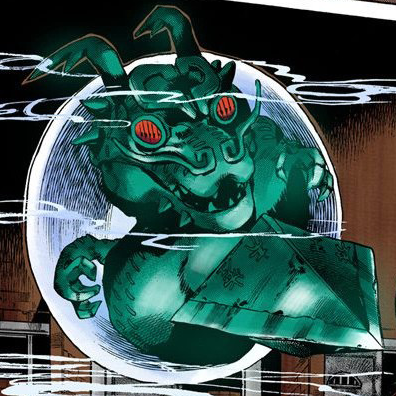
Artistic depictions of dragons often emphasize their duality. Some portray them as monstrous beasts, while others elevate them to divine status. This dichotomy invites reflection: Is the dragon a force to be slain, or a guide to be followed? The answer lies in the context of the dream or the narrative in which it appears. In literature, dragons frequently serve as guardians of hidden truths, their hoards representing the treasures of self-discovery or the illusions that cloud perception.
The Dream: A Gateway to the Subconscious and Spiritual Realms
Dreams have long been regarded as windows into the soul, offering glimpses of desires, fears, and unresolved conflicts. They are the language of the subconscious, where symbols and metaphors communicate in ways that logic cannot. The dream state is a liminal space—a threshold between reality and the unseen, where the boundaries of time and space dissolve. In this realm, the dragon often emerges as a recurring motif, its presence laden with meaning.
Dreams featuring dragons may symbolize a confrontation with the unknown, a challenge to overcome, or a transformation in progress. The dragon’s fiery breath could represent passion, anger, or the burning away of illusions, while its wings might signify the aspiration to rise above limitations. Alternatively, a dream dragon could embody protection, wisdom, or the guardianship of sacred knowledge. The interpretation hinges on the dreamer’s personal associations and the emotional tone of the dream itself.
Culturally, dreams have been revered as messages from the divine or the ancestors. In ancient civilizations, dream temples and oracles were dedicated to interpreting these nocturnal visions. The dragon, as a dream symbol, amplifies this significance, suggesting a connection to higher powers or deeper truths. Modern psychology, particularly the work of Carl Jung, views dreams as a means of individuation—the process of becoming whole by integrating disparate aspects of the self. In this framework, the dragon becomes a guide, leading the dreamer toward self-awareness and integration.
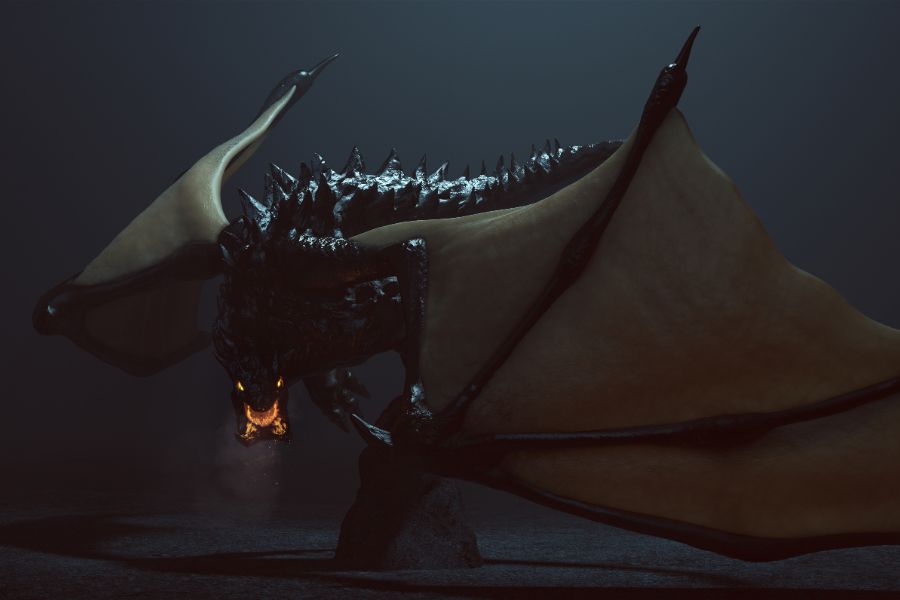
The language of dreams is inherently metaphorical, relying on imagery that resonates on a personal and collective level. A dragon in a dream might not literally be a dragon but could represent an overwhelming challenge, a repressed emotion, or a transformative opportunity. The key to unlocking its meaning lies in the dreamer’s intuition and the context of their waking life. By paying attention to the details—such as the dragon’s color, demeanor, or environment—one can uncover the deeper messages woven into the dream’s fabric.
The Intersection of Dragon and Dream: A Metaphor for Transformation
The fusion of the dragon and the dream creates a potent metaphor for personal and spiritual evolution. Together, they represent the journey of the hero—whether in mythology, literature, or the inner landscape of the mind. The dragon, as a symbol of the unconscious, and the dream, as its messenger, form a dynamic duo that challenges the dreamer to confront, understand, and ultimately transcend their limitations.
In many mythological narratives, the hero must face a dragon to prove their worth or claim a prize. This motif is not merely about slaying a monster but about mastering one’s fears, desires, or shadow self. The dragon, in this context, is both obstacle and teacher. Similarly, dreams featuring dragons often signal a pivotal moment in the dreamer’s life—a call to action, a warning, or an invitation to explore uncharted territories of the psyche. The act of engaging with the dragon, whether in a dream or waking life, becomes a rite of passage.
Art and literature frequently explore this interplay. In J.R.R. Tolkien’s Middle-earth, Smaug the dragon embodies greed and destruction, yet his defeat by Bilbo Baggins symbolizes the triumph of courage and cunning over raw power. In contrast, the dreamlike landscapes of surrealist art often feature dragons as guardians of surreal truths, their presence inviting the viewer to delve deeper into the mysteries of existence. The dragon’s association with fire also ties it to the alchemical process of transformation, where base metals are transmuted into gold—a metaphor for the soul’s journey toward enlightenment.

The metaphor of the dragon and the dream extends beyond individual psychology into collective human experience. It speaks to the universal human desire to understand the unknown, to find meaning in chaos, and to transform adversity into growth. Whether through the lens of mythology, psychology, or art, this dynamic duo invites us to embrace the mysteries of existence and to see challenges as opportunities for evolution.
Practical Applications: Harnessing the Power of Dragon and Dream
Understanding the metaphor of the dragon and the dream can be a transformative tool in both personal and creative pursuits. For those seeking self-discovery, keeping a dream journal can reveal recurring symbols and themes, including dragons, which may point to areas of life requiring attention or change. Meditation and visualization techniques can also be employed to engage with the dragon symbolically, using it as a guide to confront fears or explore uncharted aspects of the self.
In creative fields, artists, writers, and musicians often draw inspiration from these archetypes. The dragon’s fiery energy can fuel passion and innovation, while the dream’s ethereal quality can infuse work with mystery and depth. By consciously incorporating these symbols into their craft, creators can tap into a wellspring of raw, primal energy that resonates with audiences on a deep, intuitive level.
For those facing challenges or transitions, the dragon-and-dream metaphor offers a framework for resilience. Viewing obstacles as dragons to be understood rather than feared can shift perspective, turning adversity into a catalyst for growth. Similarly, dreams can be seen as messages from the deeper self, offering guidance or warnings that, when heeded, can lead to profound personal breakthroughs.
Conclusion
The interplay between the dragon and the dream is a timeless metaphor that transcends cultures and epochs, offering a lens through which to view the human experience. The dragon, with its dual nature of destruction and creation, mirrors the complexities of the subconscious mind, while the dream serves as its messenger, bridging the gap between the conscious and the unseen. Together, they form a dynamic duo that challenges, guides, and transforms, inviting us to confront our fears, embrace our potential, and navigate the mysteries of existence with courage and curiosity.
Whether encountered in the pages of ancient myths, the strokes of a painter’s brush, or the depths of a dreamer’s mind, the dragon and the dream remain potent symbols of the human journey. They remind us that within every challenge lies an opportunity for growth, and within every mystery, a truth waiting to be discovered. By engaging with these archetypes, we not only unlock the secrets of our own psyches but also connect with a universal narrative that has shaped human thought and creativity for millennia.
Leave a Reply