Short Answer
The Hermit tarot card is one of the most enigmatic and profound symbols in the Major Arcana, embodying solitude, introspection, and the pursuit of inner wisdom. In this comprehensive guide, we will explore the rich metaphorical layers of The Hermit, dissect its visual symbolism, and uncover its unique appeal in both traditional and modern tarot interpretations. Whether you’re a seasoned tarot reader or a curious newcomer, this article will illuminate the deeper meanings behind this solitary figure and how it resonates in personal growth and spiritual journeys.
The Hermit as a Symbol of Solitude and Inner Wisdom
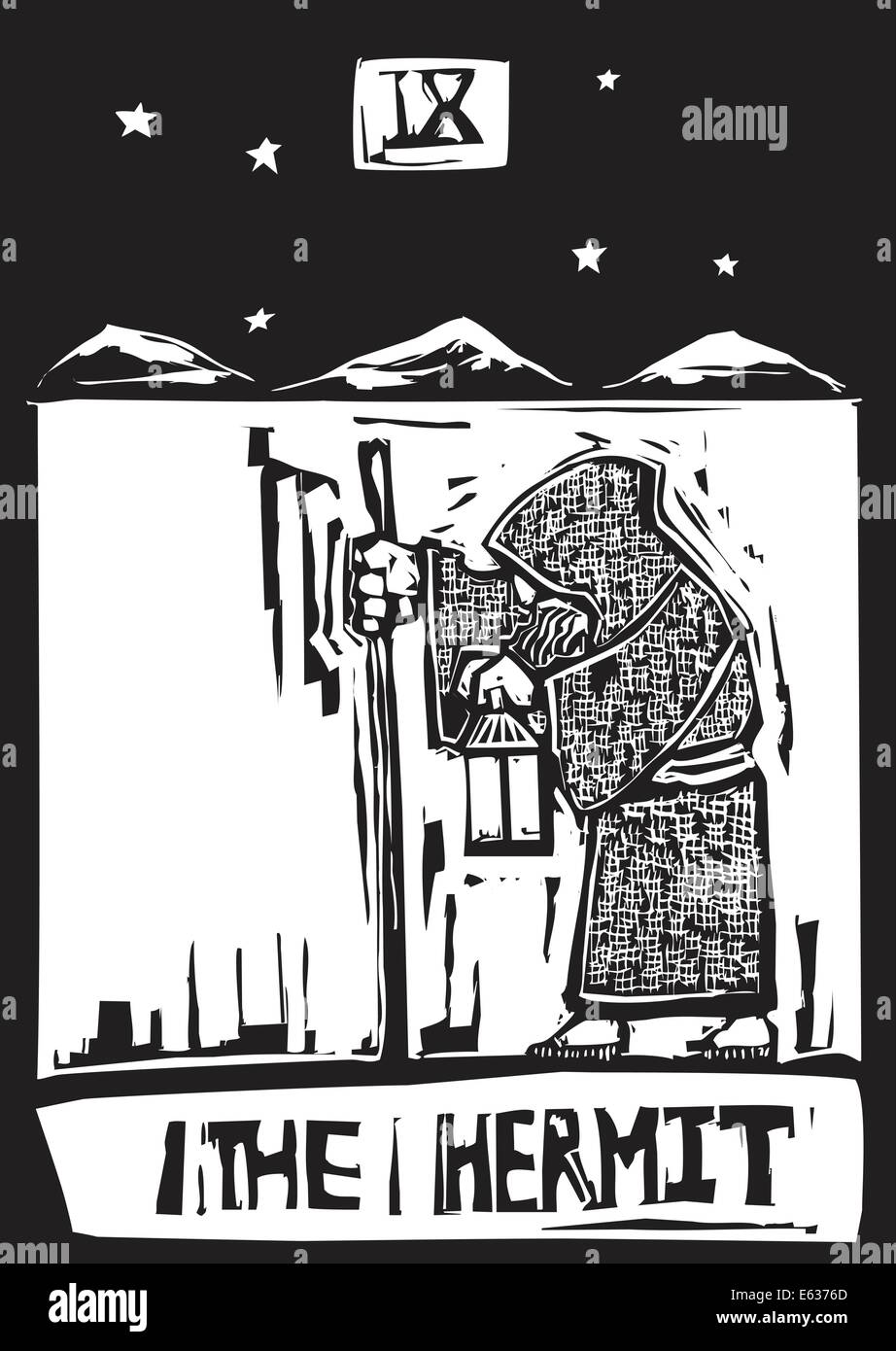
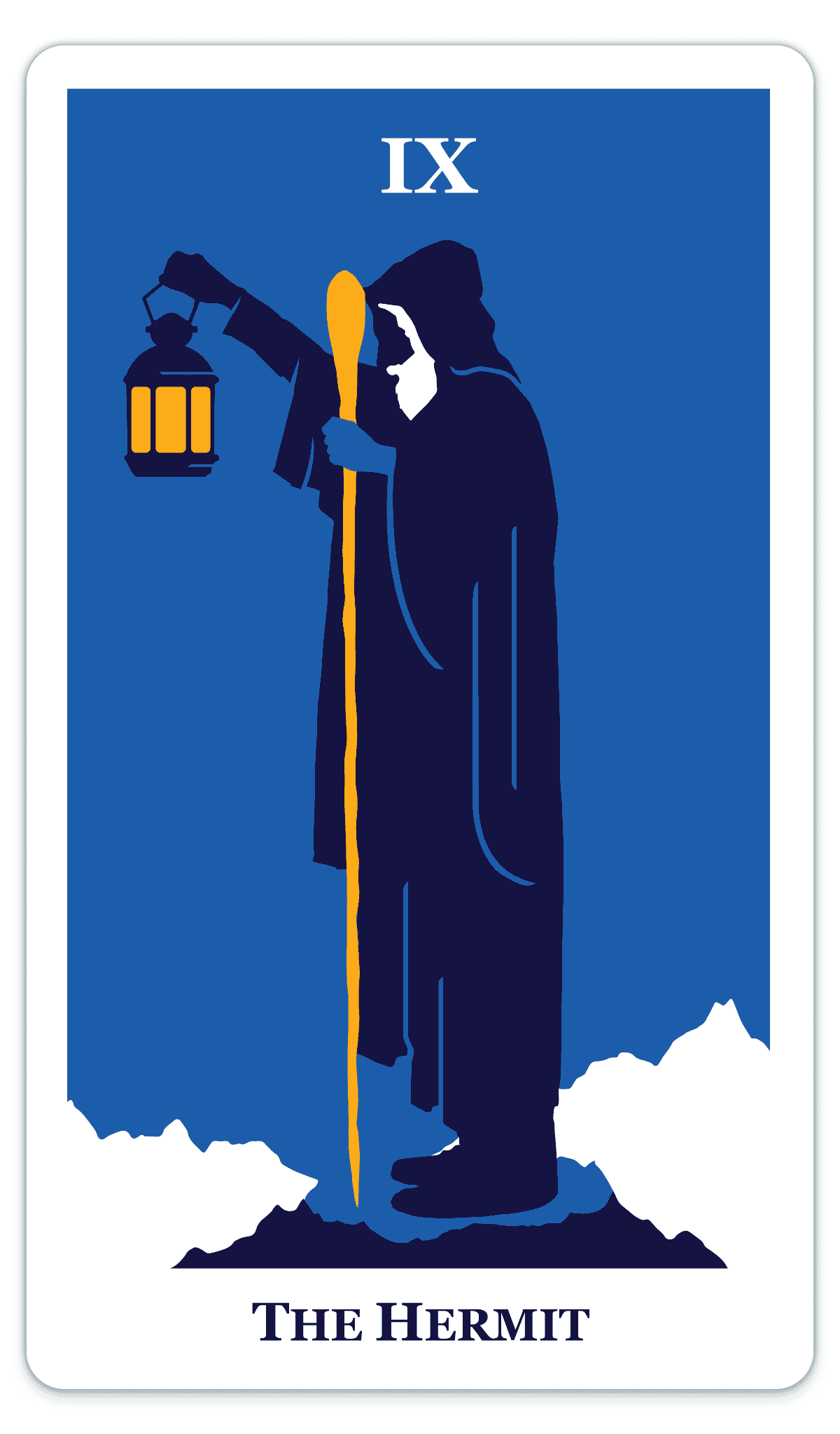
The Hermit stands as a powerful metaphor for the human quest for self-discovery and enlightenment. Clad in a hooded cloak, he represents the journey inward—a retreat from the noise of the external world to seek answers within. This card often appears when life calls for a pause, urging the seeker to step away from distractions and embrace stillness. The Hermit’s lantern, glowing with a six-pointed star (the Seal of Solomon), symbolizes the light of hidden knowledge, illuminating truths that remain obscured in the chaos of everyday life.
In many ways, The Hermit embodies the archetype of the wise elder, a guide who has traversed the path of solitude and emerged with clarity. His presence in a reading suggests a time for reflection, meditation, or even a temporary withdrawal from social obligations. Unlike isolation born from loneliness, The Hermit’s solitude is a deliberate choice—a sacred space where growth and understanding flourish. This card invites you to ask: What truths am I avoiding by staying in the crowd?
Visual Symbolism: Decoding the Hermit’s Imagery
The Hermit’s imagery is steeped in symbolism, each element carrying layers of meaning. His staff, often carved from wood, represents the support of life’s journey—both physical and spiritual. It grounds him, much like the roots of a tree, while also serving as a tool for traversing difficult terrain. The staff’s material (wood) ties him to the natural world, emphasizing a return to primal wisdom and organic understanding.
The lantern he holds is perhaps the most striking feature. Unlike a torch, which burns brightly but briefly, the lantern’s contained flame suggests a steady, enduring light—one that does not flicker with external circumstances. The six-pointed star within the lantern is no accident; it is a universal symbol of harmony, balance, and the union of opposites. In alchemical traditions, this star represents the philosopher’s stone, the culmination of spiritual and material transformation. For The Hermit, it signifies the integration of inner and outer worlds, a reminder that true wisdom comes from within.
His posture—often hunched slightly, with one hand raised to shield his eyes—evokes the act of peering into the distance, both literally and metaphorically. He is not just looking outward but inward, scanning the depths of his own soul. The barren landscape around him underscores this theme: devoid of distractions, it mirrors the emptiness that must be embraced before true insight can emerge. This starkness is not bleak but liberating, a blank canvas upon which the seeker can project their own revelations.
The Hermit in Tarot Readings: Upright and Reversed Meanings
When The Hermit appears upright in a reading, it signals a period of introspection, soul-searching, or a need for solitude to gain perspective. This card often arrives during times of transition, such as career changes, personal crises, or spiritual awakenings. It encourages you to trust your inner voice and avoid rushing decisions. The Hermit’s energy is patient and deliberate; it reminds you that answers are not found in haste but in the quiet spaces between thoughts.
In matters of love, The Hermit may suggest a need for space—either to reflect on a relationship or to rediscover oneself outside of it. For career or creative pursuits, it advises stepping back to reassess goals, ensuring they align with your deeper values rather than external expectations. Health-wise, it could indicate a need for rest or a holistic approach to well-being, emphasizing the mind-body connection.
When reversed, The Hermit takes on a more challenging tone. It may indicate isolation that has become unhealthy—loneliness, withdrawal from society, or an inability to connect with others. Alternatively, it can point to a refusal to seek guidance when needed, stubbornly clinging to self-reliance even when wisdom from others could help. In some cases, it warns against over-introspection, where the seeker becomes trapped in their own thoughts without taking action. The reversed Hermit asks: Am I hiding from the world out of fear, or am I genuinely seeking growth?
The Hermit’s Role in Spiritual and Personal Growth
The Hermit is not merely a card of solitude; it is a catalyst for transformation. His energy is deeply tied to the concept of the “dark night of the soul,” a term coined by mystics to describe a period of profound spiritual desolation that precedes enlightenment. In this light, The Hermit becomes a guide through the shadows, teaching that growth often requires descending into the unknown before emerging with newfound strength.
For those on a spiritual path, The Hermit represents the inner guru—the voice of intuition that speaks when the mind is silent. Practices like meditation, journaling, or even solitary walks in nature can align with this card’s energy, creating space for the subconscious to surface. The Hermit also resonates with the idea of the “wounded healer,” a concept from depth psychology where personal suffering becomes the foundation for helping others. By embracing his lessons, you transform pain into purpose.
In relationships, The Hermit challenges the notion that love must always be shared outwardly. Sometimes, the deepest love is the one we cultivate within ourselves. This card encourages you to ask: What parts of myself have I neglected in my quest to connect with others? It’s a reminder that self-love is not selfish but necessary—a prerequisite for healthy relationships.
The Unique Appeal of The Hermit: Why This Card Resonates Across Cultures
The Hermit’s appeal lies in his universality. Across cultures and traditions, the archetype of the solitary seeker appears in myths, religions, and philosophies. From the Greek philosopher Diogenes, who lived in a barrel and carried a lantern in daylight searching for an honest man, to the Sufi mystics who retreated to the desert to commune with the divine, The Hermit’s energy is timeless. Even in modern psychology, the “inner hermit” represents the part of us that craves authenticity over conformity.
What makes The Hermit particularly compelling is his balance of paradoxes. He is both ancient and timeless, solitary yet deeply connected to the collective unconscious. His lantern lights the way for others, even as he walks alone. This duality makes him a card of profound empathy—he understands the struggle of the seeker because he has been there himself. In a world that often glorifies busyness and external validation, The Hermit offers a counter-narrative: that true wisdom is found in stillness, and that the deepest connections are often the ones we forge within.
Artistically, The Hermit has been depicted in countless ways, from classical tarot decks like the Rider-Waite to modern interpretations that play with color, texture, and symbolism. Some artists emphasize his loneliness, while others highlight his serene confidence. This versatility ensures that The Hermit remains relevant, speaking to each generation in a language it understands.
Conclusion
The Hermit tarot card is far more than a symbol of solitude—it is a mirror reflecting the human soul’s journey toward self-knowledge and enlightenment. Whether you encounter him in a reading or simply resonate with his energy, The Hermit invites you to embrace the power of introspection, trust your inner light, and find strength in stillness. In a culture that often equates worth with productivity and connection with constant engagement, his message is radical: You are enough, just as you are, in the quiet moments between the noise.
As you move through life’s challenges, remember The Hermit’s lantern. It is always there, waiting to guide you home—to yourself.
FAQ
What does The Hermit tarot card symbolize?
The Hermit symbolizes solitude, introspection, and the pursuit of inner wisdom.
What does The Hermit indicate in a tarot reading?
Upright, it indicates a period of introspection; reversed, it may suggest isolation or reluctance to seek guidance.
Leave a Reply