Short Answer
Welcome to a deep exploration of The Fool Personality – The Eternal Beginner. In this guide, you’ll discover the essence of this archetype, its psychological foundations, and how it manifests in various aspects of life. Whether you’re a psychology enthusiast, a creative writer, or simply curious about human behavior, this article will provide valuable insights into the mindset of perpetual beginners. By the end, you’ll understand the strengths, challenges, and cultural significance of the Fool archetype, along with practical ways to embrace or navigate it in your own journey.
The Fool Archetype: An Introduction
The Fool is one of the most ancient and universal archetypes found in mythology, literature, and psychology. Often depicted as a carefree wanderer with a knack for stumbling into wisdom, the Fool represents the spirit of curiosity, spontaneity, and unbridled exploration. Unlike the traditional “wise elder,” the Fool thrives on novelty, often learning through trial and error rather than structured education. This archetype is deeply rooted in the Hero’s Journey, where the Fool’s role is to challenge norms, ask uncomfortable questions, and remind others of the joy in starting anew.
In tarot, the Fool card symbolizes potential, beginnings, and a leap of faith into the unknown. It’s the card of infinite possibilities, where every step is an adventure, and every mistake is a lesson. The Fool doesn’t fear failure because failure is just another step in the dance of discovery. This mindset is not about recklessness but about embracing uncertainty as a pathway to growth.
Psychological Foundations of the Eternal Beginner
The Fool personality aligns closely with several psychological concepts. One key framework is the Growth Mindset, popularized by Carol Dweck, which emphasizes learning from challenges rather than avoiding them. The Fool embodies this mindset by viewing every experience—success or failure—as an opportunity to evolve. Another relevant theory is Carl Jung’s shadow work, where the Fool represents the parts of ourselves we’ve suppressed or overlooked. By reconnecting with this archetype, individuals can integrate neglected aspects of their personality, such as playfulness, intuition, and adaptability.
From a cognitive perspective, the Fool’s approach mirrors the beginner’s mind concept in Zen Buddhism, where preconceived notions are set aside to experience reality with fresh eyes. This mental flexibility reduces cognitive rigidity and fosters creativity. However, the Fool’s journey isn’t without its shadows. Psychologists note that perpetual beginners may struggle with commitment, consistency, or follow-through, as their enthusiasm often wanes once the initial excitement fades. Balancing the Fool’s spontaneity with discipline is key to harnessing its full potential.
Types of Content Featuring the Fool Archetype
The Fool’s story is a timeless narrative that appears across various media. Here’s a breakdown of the most common types of content where this archetype shines:
1. Mythology and Folklore
In myths worldwide, the Fool often takes the form of a trickster—a figure who outsmarts others through cleverness or sheer audacity. Examples include Loki from Norse mythology, who disrupts order with mischief, or Anansi the Spider from West African folklore, whose cunning leads to unexpected outcomes. These stories highlight the Fool’s role as a disruptor of stagnation, using humor and unpredictability to challenge the status quo. Folktales featuring the Fool often serve as moral lessons, teaching that wisdom isn’t always found in traditional paths.

2. Literature and Novels
In literature, the Fool is a recurring character who adds depth to narratives by embodying themes of innocence, rebellion, or transformation. A classic example is Don Quixote by Miguel de Cervantes, whose delusional yet idealistic quests reflect the Fool’s refusal to conform to reality. Modern works like “The Alchemist” by Paulo Coelho also feature Fool-like protagonists who embark on journeys driven by intuition and a thirst for meaning. These stories often explore the tension between the Fool’s optimism and the harshness of the world, making their journeys relatable to anyone who’s ever felt like an outsider.
3. Visual Media: Anime, Manga, and Films
Anime and manga frequently depict the Fool archetype in characters who challenge societal expectations. For instance, Naruto Uzumaki from “Naruto” is a perpetual underdog whose relentless optimism and willingness to start over embody the Fool’s spirit. Similarly, Monkey D. Luffy from “One Piece” represents the Fool’s journey toward an unattainable dream, using his naivety and resilience to inspire others. In films, characters like Forrest Gump or Amélie Poulain showcase the Fool’s ability to find joy in simplicity and create magic out of ordinary circumstances. These portrayals often resonate because they reflect the universal desire to live authentically, even when the world tries to impose limits.
4. Video Games
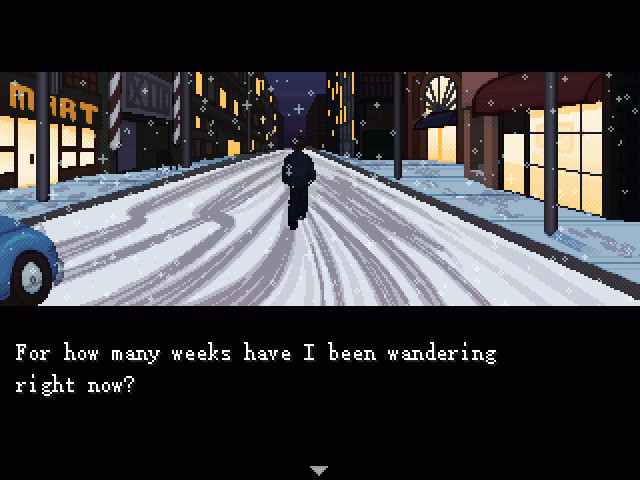
Video games are a natural playground for the Fool archetype, as they often revolve around exploration, experimentation, and overcoming obstacles. Games like “The Legend of Zelda” series feature protagonists who start as inexperienced heroes but grow through their adventures. Indie games, in particular, embrace the Fool’s ethos, such as “Stardew Valley”, where players begin as novices in farming but gradually master the craft through curiosity and persistence. The Fool’s presence in games encourages players to embrace failure as part of the learning process, making these experiences deeply engaging and rewarding.
5. Self-Help and Personal Development
The Fool’s mindset is increasingly recognized in self-help circles as a tool for personal growth. Books like “The Obstacle Is the Way” by Ryan Holiday emphasize the Fool’s ability to reframe challenges as opportunities. Similarly, “Big Magic” by Elizabeth Gilbert encourages readers to approach creativity with the playfulness of a beginner, free from the pressure of perfectionism. Workshops and retreats often incorporate Fool-like exercises, such as improvisation games or mindfulness practices, to help participants shed their self-imposed limitations and rediscover their innate curiosity.
The Fool in Everyday Life: Strengths and Challenges
Embracing the Fool archetype can be both liberating and daunting. On the positive side, the Fool’s strengths include:
- Adaptability: Fools thrive in unpredictable environments, making them resilient in times of change.
- Creativity: Their willingness to experiment leads to innovative solutions and artistic expressions.
- Authenticity: Fools prioritize their inner truth over external validation, living with a sense of freedom.
- Inspiration: Their enthusiasm is contagious, motivating others to take risks and embrace their own journeys.
However, the Fool’s path isn’t without pitfalls. Common challenges include:
- Lack of Direction: Without a clear goal, the Fool may feel lost or unproductive, jumping from one interest to another.
- Superficiality: A perpetual beginner might avoid deep commitment, leading to a cycle of short-lived pursuits.
- Vulnerability: The Fool’s openness can make them susceptible to manipulation or exploitation by those with less noble intentions.
- Burnout: Constantly starting anew can be exhausting, especially if the Fool neglects rest and reflection.
To harness the Fool’s power while mitigating its downsides, it’s essential to cultivate self-awareness and balance. For example, setting small, achievable goals can provide structure without stifling spontaneity. Similarly, practicing gratitude for the present moment can ground the Fool’s energy, preventing them from chasing the next thrill at the expense of their well-being.
How to Embrace Your Inner Fool
If you resonate with the Fool archetype, here are practical ways to integrate its wisdom into your life:
- Cultivate Curiosity: Approach everyday situations with the wonder of a child. Ask questions, try new hobbies, and remain open to learning.
- Embrace Failure: Reframe mistakes as feedback. Keep a “failure journal” to document lessons learned from setbacks.
- Prioritize Play: Schedule time for activities that bring you joy without a tangible outcome, such as dancing, drawing, or exploring nature.
- Seek Mentors: The Fool doesn’t have to go it alone. Find guides who can offer wisdom while encouraging your unique path.
- Practice Presence: Meditation or mindfulness can help you savor the journey rather than fixating on the destination.
- Share Your Story: Write, create, or speak about your experiences as a Fool. Your journey might inspire others to embrace their own.
Conclusion
The Fool Personality – The Eternal Beginner – is far more than a whimsical figure in stories. It’s a powerful archetype that reminds us of the beauty in starting over, the wisdom in asking “why,” and the courage in trusting the unknown. Whether you’re drawn to the Fool’s spontaneity or seeking to understand its psychological roots, this guide offers a foundation for exploring its depths. By balancing the Fool’s fearless curiosity with mindful intention, you can transform perpetual beginnings into a fulfilling, lifelong adventure. Remember, the Fool isn’t just a character in tales—it’s a part of all of us, waiting to be awakened.
FAQ
What is the Fool personality in Tarot?
The Fool personality represents the spirit of curiosity, spontaneity, and exploration, often symbolizing new beginnings and the potential for growth.
How can I embrace my inner Fool?
To embrace your inner Fool, cultivate a growth mindset, remain open to new experiences, and set small, achievable goals to balance spontaneity with direction.
Leave a Reply