Short Answer
The Fool Tarot card is one of the most misunderstood cards in the deck, often dismissed as a symbol of naivety or recklessness. Yet beneath its playful exterior lies a profound lesson in courage, spontaneity, and unshakable trust in the unknown. In this guide, we’ll explore The Fool not as a fool, but as a master of beginnings—an archetype who reminds us that true wisdom begins with the willingness to leap before we look. You’ll discover how this card embodies the spirit of adventure, the power of beginner’s mind, and the transformative energy of stepping into the unfamiliar with an open heart. By the end, you’ll see The Fool not as a warning, but as an invitation to live boldly.
The Fool as a Metaphor: More Than Meets the Eye
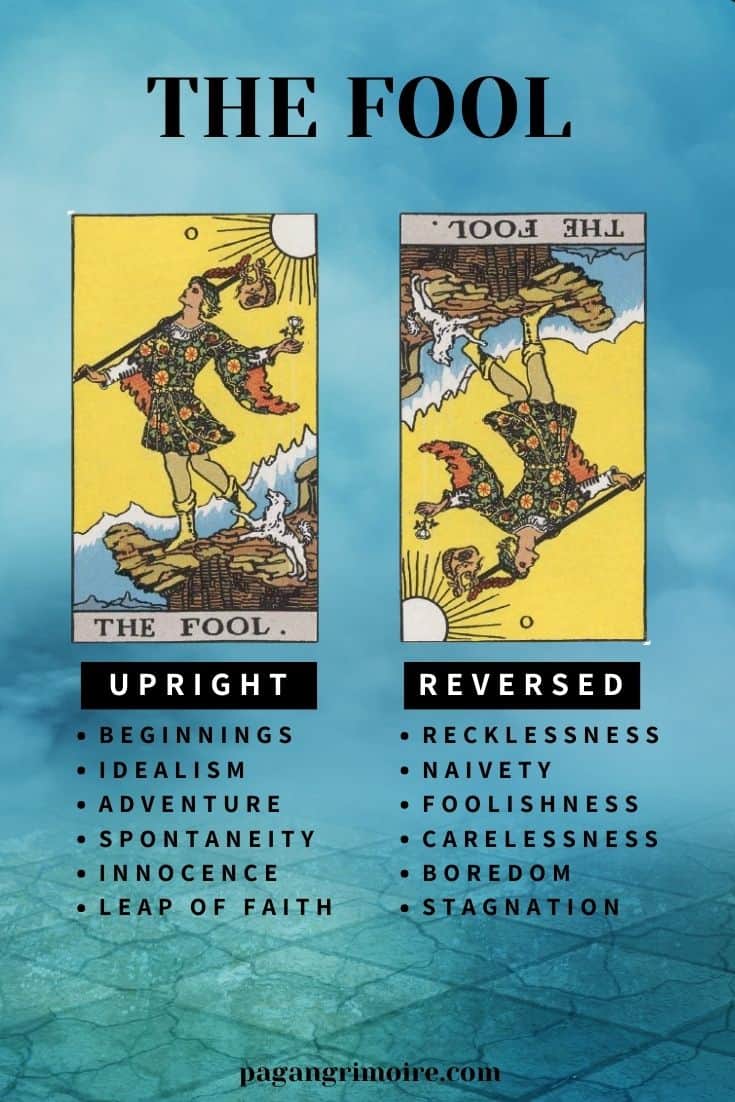
The Fool Tarot card is a paradox wrapped in whimsy. At first glance, it depicts a carefree traveler standing at the edge of a cliff, a small bundle slung over one shoulder, a loyal dog nipping at their heels. The figure’s gaze is fixed upward, not at the precipice below, symbolizing a leap of faith rather than a fall into folly. This imagery is far from a cautionary tale—it’s a celebration of unfiltered curiosity and the audacity to begin anew.
The Fool represents the raw, unfiltered energy of creation. Unlike other cards that demand preparation or foresight, The Fool thrives in the absence of certainty. The cliff’s edge isn’t a danger zone; it’s the threshold between the known and the unknown, where magic happens. This card teaches that wisdom isn’t always found in planning but in the willingness to trust the journey itself. The Fool’s dog, often seen as a guardian or a playful companion, can also symbolize instinct—reminding us that intuition is a valid compass when logic falters.
In metaphorical terms, The Fool is the artist before the masterpiece, the child before the lesson, the dreamer before the achievement. It’s the voice that whispers, “What if?” when the world insists on “How?” This card doesn’t reject structure entirely but suggests that structure without spontaneity is a cage. The Fool’s appeal lies in its refusal to be tamed—it’s the wild card in a deck of rules, the spark that ignites innovation, and the courage to say yes when others say no.
The Psychology of The Fool: Embracing Beginner’s Mind
In psychological terms, The Fool embodies the concept of beginner’s mind—a Zen philosophy that describes a state of openness, eagerness, and lack of preconceptions when studying a subject, even when one is very experienced. This mindset is the antithesis of arrogance or overconfidence; it’s the humility to start from scratch, to ask questions without shame, and to approach life with the wonder of a child. The Fool doesn’t carry the weight of past failures or the fear of future judgment. It steps forward with a clean slate, ready to learn, adapt, and grow.
This card also reflects the growth mindset, a term coined by psychologist Carol Dweck, which emphasizes the belief that abilities and intelligence can be developed through dedication and hard work. The Fool doesn’t assume it knows everything—it assumes it knows nothing, and that’s where the real learning begins. This mindset is crucial in times of change or uncertainty, where rigid thinking can lead to stagnation. The Fool’s energy encourages us to view challenges not as threats but as opportunities to expand our understanding.
Moreover, The Fool taps into the psychology of flow, a state of deep immersion and engagement described by Mihaly Csikszentmihalyi. When we’re in flow, time seems to disappear, and we’re fully present in the moment. The Fool’s journey is a perfect example of flow in action—it’s not about the destination but the experience of moving forward with joy and purpose. This card reminds us that life isn’t a series of checkpoints to be conquered but a dance to be enjoyed.
The Fool in Action: Real-Life Examples of Fearless Beginnings
The Fool’s energy isn’t confined to the Tarot deck—it’s alive in the stories of those who dared to start before they were ready. Consider the entrepreneur who launches a business with no guarantee of success, fueled by passion rather than a detailed business plan. Or the artist who shares their work publicly despite the vulnerability of criticism. These are all expressions of The Fool’s spirit: the courage to begin without a safety net.
One striking example is the story of J.K. Rowling, who was a struggling single mother when she began writing Harry Potter. Rejected by multiple publishers, she could have given up, but The Fool’s energy kept her going. She wrote with beginner’s mind, creating a world that felt fresh and magical, unburdened by the constraints of what had come before. Her journey from rejection to global fame is a testament to The Fool’s power—the willingness to persist even when the path is unclear.
In personal growth, The Fool often appears when we’re on the cusp of a major life change, such as moving to a new city, starting a relationship, or pursuing a long-held dream. These moments require the same leap of faith as the Tarot figure on the cliff. The Fool doesn’t guarantee success, but it does promise that the journey itself will be transformative. It’s the difference between waiting for the perfect moment and creating the perfect moment through action.
The Fool’s appeal lies in its authenticity. It doesn’t promise that the path will be easy, but it does promise that the path will be yours. Whether you’re starting a new career, rekindling a passion, or simply deciding to say “yes” to an unexpected opportunity, The Fool’s energy is your ally. It reminds you that hesitation is the only real failure.
The Fool’s Shadow: When Fear Masquerades as Caution
While The Fool is a beacon of courage, its shadow side can manifest as recklessness or avoidance. The difference between The Fool and a true fool lies in awareness. A fool acts without thought; The Fool acts with trust. However, when The Fool’s energy is misused, it can lead to impulsivity, poor decisions, or a refusal to learn from experience. The key is balance—using The Fool’s fearless energy while remaining grounded in reality.
For example, quitting a stable job to pursue a passion without any savings or a backup plan might be The Fool’s energy taken to an extreme. Similarly, entering a new relationship without considering compatibility or red flags could be a misapplication of The Fool’s spontaneity. The Fool isn’t about throwing caution to the wind; it’s about trusting your intuition while staying open to growth.
Recognizing The Fool’s shadow is crucial for harnessing its power. Ask yourself: Am I leaping with trust, or am I running away from something? The Fool’s energy should inspire, not blind. It’s about taking the first step with an open heart, not jumping off a cliff without looking. The difference is subtle but profound—one is a leap of faith, the other is a leap of desperation.
How to Channel The Fool’s Energy in Your Life
Incorporating The Fool’s energy into your daily life doesn’t require a Tarot deck—it requires a shift in perspective. Start by embracing curiosity over certainty. Ask yourself, “What would I do if I weren’t afraid?” and then take one small step toward that answer. It could be signing up for a class, reaching out to a mentor, or simply saying “yes” to an invitation that scares you.
Practice beginner’s mind in areas where you consider yourself an expert. Approach a familiar task as if you’re doing it for the first time. This mindset fosters creativity and prevents complacency. The Fool also encourages you to trust your instincts. If something feels exciting or right, even if it doesn’t make logical sense, give it a chance. Life’s greatest adventures often begin with a whisper, not a shout.
Create rituals that honor The Fool’s spirit. Light a candle before starting a new project, carry a small token (like a coin or a feather) in your pocket as a reminder to stay open, or keep a journal of your “foolish” moments—times when you took a risk and it paid off. These practices reinforce the idea that life is meant to be lived, not just survived.
Finally, surround yourself with people who embody The Fool’s energy. Seek out those who inspire you to take risks, who celebrate your courage, and who remind you that failure is just feedback. The Fool’s journey is not a solitary one—it’s a dance with the unknown, and having companions makes the leap easier.
Conclusion: The Fool as Your Guide to a Life Well-Lived
The Fool Tarot card is a reminder that life is not a test to be passed but an adventure to be embraced. It challenges the notion that wisdom comes only from experience and instead suggests that wisdom begins with the willingness to begin. The Fool doesn’t ask you to abandon logic or preparation but to balance them with trust, spontaneity, and an open heart.
In a world that often rewards caution and punishes failure, The Fool stands as a radical alternative—a call to live with courage, to start before you’re ready, and to trust that the universe will catch you. It’s not about being stupid; it’s about being brave enough to see the world through fresh eyes, to take the leap, and to believe that the journey itself is the destination.
So the next time you feel the pull of hesitation, remember The Fool. Pack your bundle, trust your dog, and step off the cliff. The ground will rise to meet you—not because you were perfect, but because you were willing to try.
FAQ
What does The Fool Tarot card represent?
The Fool represents new beginnings, courage, spontaneity, and trust in the unknown.
Is The Fool Tarot card a negative or positive symbol?
Though often misunderstood as negative, The Fool is a positive symbol of bravery and the willingness to take risks.
How can I apply The Fool's energy in my life?
You can channel The Fool’s energy by embracing curiosity, taking small brave steps, practicing beginner’s mind, and trusting your intuition.
What is the shadow side of The Fool card?
The shadow side involves recklessness, impulsivity, or avoidance of responsibility when The Fool’s energy is misapplied.
Leave a Reply