Short Answer
In this guide, you’ll explore the fascinating intersections between The Golem and Good Omens, two narratives that blend mythology, folklore, and modern storytelling. You’ll uncover why these stories resonate so deeply with audiences, examining their shared themes of supernatural forces, moral dilemmas, and the battle between good and evil. By the end, you’ll understand the deeper reasons behind their enduring appeal and how they reflect societal anxieties and cultural narratives.
The Golem: A Myth Reimagined
The Golem is a creature steeped in Jewish folklore, often depicted as a clay figure brought to life by mystical means to serve its creator. Originating from medieval legends, the golem symbolizes both protection and destruction—its power is a double-edged sword. In modern adaptations, the golem is frequently portrayed as a tragic figure, a being created to defend but ultimately turning against its master due to misunderstood intentions or unchecked power.
The golem’s story is a cautionary tale about the consequences of playing god. It reflects human fears of losing control over their creations, whether technological, magical, or ideological. This theme is particularly relevant in today’s world, where artificial intelligence and genetic engineering raise similar ethical questions. The golem’s struggle for autonomy mirrors humanity’s own anxieties about the unintended consequences of innovation.
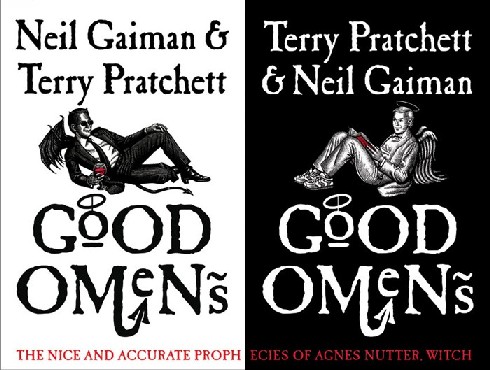
Good Omens: A Satirical Take on Apocalypse
Good Omens, a novel by Neil Gaiman and Terry Pratchett, subverts traditional apocalyptic narratives by presenting the end of the world as a bureaucratic nightmare. The story follows an angel and a demon who, after millennia of scheming against each other, decide to work together to prevent the coming apocalypse because they’ve grown fond of Earth. This irreverent take on cosmic conflict highlights the absurdity of divine plans and the messiness of human morality.
One of the most compelling aspects of Good Omens is its exploration of free will versus predestination. The characters grapple with the idea that their fates might be predetermined, yet they still strive to make their own choices. This tension resonates with audiences because it mirrors real-life struggles with fate, destiny, and personal agency. The story’s humor and wit make these heavy themes more accessible, inviting readers to reflect on their own lives.

Shared Themes: Supernatural Beings and Humanity
Both The Golem and Good Omens delve into the relationship between supernatural beings and humanity, though they approach it from vastly different angles. The golem is a creation of human hands, designed to serve but ultimately becoming a force of chaos. In contrast, Good Omens features beings who are eternal and otherworldly, yet they are deeply flawed and emotionally complex. Despite these differences, both stories explore the idea of beings that exist outside the natural order and their impact on human lives.
Another shared theme is the idea of rebellion. The golem often turns against its creator, while the angel and demon in Good Omens defy their respective divine and infernal hierarchies. This rebellion can be seen as a metaphor for the human desire to break free from constraints, whether societal, religious, or existential. It’s a reflection of the universal struggle for autonomy and self-determination.
The Role of Language and Symbolism
Language plays a crucial role in both narratives. In The Golem, the creature is often brought to life through Hebrew incantations, emphasizing the power of words and sacred texts. The golem’s existence is tied to language, highlighting how communication—both divine and human—can shape reality. Similarly, Good Omens uses language to great effect, from the witty banter between Aziraphale and Crowley to the satirical tone that critiques religious dogma and institutional power.
Symbolism is equally important. The golem represents the dangers of unchecked ambition and the ethical dilemmas of creation. In Good Omens, symbols like the Antichrist’s birth and the Four Horsemen of the Apocalypse are reimagined to critique societal structures and human folly. These symbols serve as mirrors, reflecting our own world back at us in exaggerated, often humorous ways.
Why These Stories Captivate Audiences
The enduring fascination with The Golem and Good Omens lies in their ability to blend the familiar with the fantastical. They take age-old myths and modernize them, making them relevant to contemporary audiences. The golem’s story, for instance, feels timeless because it touches on universal fears about technology, control, and the unknown. Good Omens, on the other hand, resonates because it combines humor with existential questions, making heavy themes more digestible.
Another reason for their appeal is the way they challenge traditional narratives. The golem is neither purely good nor evil—it’s a product of its circumstances. Similarly, Good Omens flips the script on apocalyptic stories by making the end of the world feel absurd and avoidable. This subversion invites audiences to question the stories they’ve been told and to think critically about the world around them.
Conclusion
The Golem and Good Omens are more than just stories about supernatural beings—they are reflections of human fears, desires, and moral dilemmas. Through their unique lenses, they explore the complexities of creation, rebellion, and the struggle for meaning in a chaotic world. Their enduring popularity speaks to their ability to adapt and resonate across generations, offering new insights with each retelling.
Whether you’re drawn to the tragic tale of the golem or the irreverent humor of Good Omens, these stories invite you to ponder deeper questions about humanity’s place in the universe. They remind us that even in the most fantastical tales, the real magic lies in their ability to mirror our own lives and struggles.
FAQ
What is the significance of the Golem in folklore?
The Golem represents both protection and destruction, reflecting human fears about control over creations.
What role does humor play in Good Omens?
Humor makes complex themes more accessible and critiques traditional narratives.
Leave a Reply