Short Answer
In this guide, you’ll explore the deep symbolism of The Hanged Man tarot card, uncovering its dual nature as both a symbol of sacrifice and a potential sign of stalling. You’ll learn how this card promises a shift in perspective, encouraging you to pause and reflect rather than rush forward. By the end, you’ll understand how to interpret The Hanged Man in different contexts—whether in love, career, or personal growth—and how to harness its energy for transformation. Prepare to see this card not as a warning, but as an invitation to embrace change through stillness.
The Hanged Man: A Card of Paradox
The Hanged Man is one of the most enigmatic cards in the tarot deck, often misunderstood due to its unconventional imagery. Unlike the dynamic figures of other Major Arcana cards, The Hanged Man is suspended upside down, bound by one foot, with a serene expression. This deliberate inversion is not a sign of defeat but a powerful symbol of new perception. The card represents a voluntary pause—a choice to step back and view life from a different angle. While some may interpret this as stalling, the true message is one of sacrifice: the sacrifice of immediate action for the sake of deeper understanding. The Hanged Man teaches that sometimes, the most profound progress comes not from moving forward, but from surrendering to the present moment.
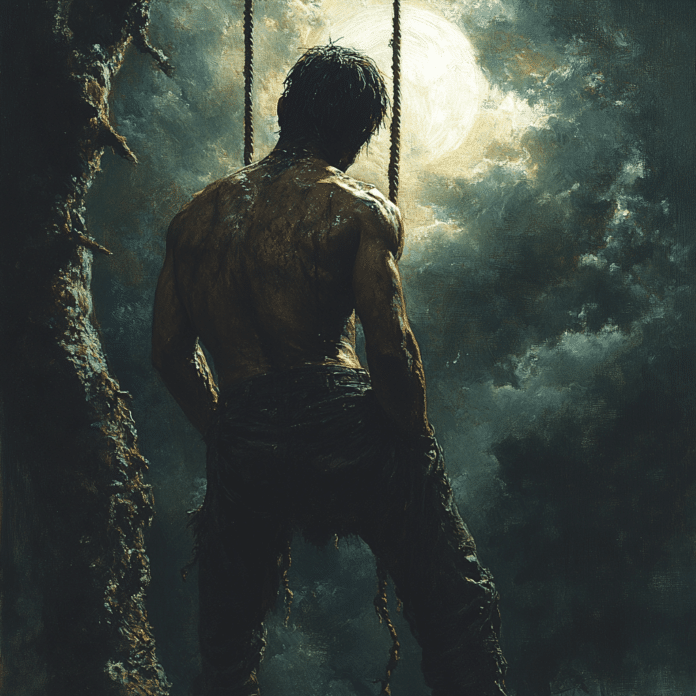
The card’s imagery is rich with symbolism. The figure’s bound foot suggests a temporary restriction, but the free leg forms a cross, a universal symbol of balance and transformation. The halo around the figure’s head represents enlightenment, hinting that this suspension is not a punishment but a deliberate act of wisdom. The tree to which the figure is attached is often an oak, a tree associated with strength and endurance. Together, these elements paint a picture of a card that is neither purely positive nor negative, but a call to reassess your current path with an open mind.
Sacrifice vs. Stalling: Decoding the Duality
One of the most common dilemmas when interpreting The Hanged Man is distinguishing between necessary sacrifice and unproductive stalling. The key lies in the intention behind the pause. Sacrifice, in this context, is a conscious choice to delay immediate gratification for a greater reward. It might mean putting a career opportunity on hold to care for a loved one, or stepping away from a toxic relationship to prioritize self-growth. Stalling, on the other hand, is passive and often driven by fear or avoidance. It’s the refusal to make a decision because of discomfort, rather than a strategic pause for reflection.
To tell the difference, ask yourself: Am I choosing to wait, or am I avoiding action? The Hanged Man encourages the former. It’s about recognizing that some doors need time to open, and forcing them might lead to regret. For example, if you’re considering a major life change but feel paralyzed by uncertainty, The Hanged Man might be urging you to embrace the discomfort of not knowing. The card’s energy is about trusting the process, even when the outcome is unclear. It’s a reminder that growth often requires discomfort, and that true progress isn’t always linear.

Another way to differentiate between sacrifice and stalling is to look at the card’s surrounding influences in a tarot spread. If The Hanged Man appears alongside cards like The Star or The Moon, it’s likely pointing to a period of introspection that will lead to clarity. If it’s paired with The Tower or Five of Swords, however, the pause might be masking avoidance or resistance to change. The Hanged Man’s message is ultimately about perspective—it’s up to you to decide whether your current stillness is a step toward wisdom or a trap of inaction.
The Promise of a Shift in Perspective
The Hanged Man is often called the card of “seeing things differently.” Its primary promise is that a change in viewpoint will lead to breakthroughs you couldn’t have anticipated. This shift isn’t about forcing a new idea but about allowing yourself to be open to one. The card’s energy is slow and deliberate, like the quiet before a storm. It’s a reminder that sometimes, the best way to move forward is to stop trying to move at all.
Consider how this might apply to your life. Are you holding onto a belief or goal that no longer serves you? The Hanged Man invites you to question it. Maybe you’re pursuing a career path because it’s what’s expected, not because it fulfills you. Perhaps you’re clinging to a relationship out of fear of loneliness, even though it drains your energy. The card asks you to flip your perspective, to see the situation from the other side. What if the very thing you’re resisting is the key to your growth? The Hanged Man doesn’t provide answers—it provides the space to find them.
This shift in perspective can also manifest in smaller, everyday moments. Have you ever been so focused on a problem that you couldn’t see the solution? The Hanged Man encourages you to step back, to look at the issue from a different angle. It might mean taking a walk, meditating, or simply giving yourself permission to not have all the answers right now. The card’s energy is about trusting that clarity will come when the time is right.

In relationships, The Hanged Man can signal a need to reevaluate your dynamics. Are you giving more than you’re receiving? Are you staying in a situation out of habit rather than happiness? The card asks you to consider what you’re willing to sacrifice for love or friendship—and whether those sacrifices are truly reciprocated. It’s not about martyrdom but about recognizing your own worth and setting boundaries where necessary. The shift in perspective here might mean seeing a relationship for what it is, not what you hope it could be.
Piquing Curiosity: How to Work with The Hanged Man’s Energy
The Hanged Man isn’t a card of action, but it’s far from passive. Working with its energy means cultivating curiosity about the unknown and embracing the discomfort of not having all the answers. Start by asking yourself: What am I avoiding by not making a decision? or What might I discover if I allow myself to pause? The card’s energy is about surrendering control, not in a defeatist way, but in a way that trusts the process of life.
One practical way to engage with The Hanged Man’s energy is through meditation or journaling. Set aside time to reflect on areas of your life where you feel stuck. Write down what’s holding you back and then ask yourself: What if this pause is exactly what I need? You might also try a visualization exercise where you imagine yourself as the figure in the card—suspended, calm, and open to new possibilities. What insights arise when you let go of the need to rush?
Another approach is to look for opportunities to “hang upside down” metaphorically. This could mean taking a different route to work, trying a new hobby, or even just changing your routine for a day. Small shifts can help you embody the card’s energy of seeing things from a new angle. The goal isn’t to force change but to create space for it to emerge naturally.
In creative pursuits, The Hanged Man can be a powerful ally. Artists, writers, and thinkers often hit walls where inspiration seems to dry up. The card reminds you that sometimes, the best way to overcome a block is to step away and let your subconscious work. Take a break, engage in a different activity, or simply rest. The shift in perspective might come when you least expect it.
Conclusion
The Hanged Man is a card that defies easy interpretation, but its message is clear: sometimes, the most powerful thing you can do is pause. Whether you see it as a symbol of sacrifice or a sign of stalling, the card’s true gift is its promise of a shift in perspective. It asks you to trust that stillness is not the absence of progress but a necessary part of it. By embracing this energy, you open yourself to insights and opportunities you might otherwise miss.
Remember, The Hanged Man isn’t about giving up—it’s about giving yourself the space to see things differently. The next time you feel stuck, ask yourself: What if this is exactly where I need to be? The answer might surprise you.
FAQ
What does The Hanged Man tarot card symbolize?
The Hanged Man symbolizes a voluntary pause and a shift in perspective, representing both sacrifice and the potential for stalling.
How can I interpret The Hanged Man in a tarot reading?
Interpret The Hanged Man by assessing the surrounding cards and your intentions—distinguishing between strategic pauses for reflection and avoidance.
What should I do when The Hanged Man appears in a spread?
When The Hanged Man appears, consider it an invitation to embrace stillness and reflect on your current path and choices.
Leave a Reply