Short Answer
In this guide, you’ll explore the profound symbolism of The Hermit tarot card, uncovering how solitude and wisdom intertwine to illuminate life’s deepest truths. You’ll discover the card’s historical roots, its role in personal growth, and the practical ways it can guide you toward self-discovery. By the end, you’ll understand why The Hermit resonates so deeply with those seeking meaning beyond the noise of everyday life.
The Hermit Unveiled: A Beacon of Solitude and Inner Light
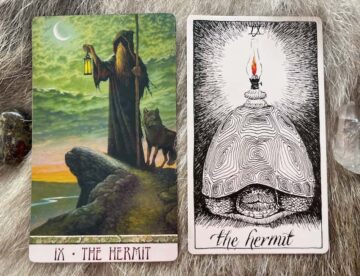
The Hermit is one of the most evocative cards in the tarot deck, often depicted as an elderly figure cloaked in silence, holding a lantern aloft. This lantern, glowing with an inner light, symbolizes the wisdom gained through introspection and the courage to step away from the crowd. Unlike the isolation of loneliness, The Hermit’s solitude is a deliberate choice—a sacred pause to listen to the whispers of the soul. The card’s stark imagery invites you to question: When was the last time you truly listened to yourself?
The Hermit’s staff, a tool of support, represents the strength drawn from personal experience and resilience. It’s a reminder that the journey inward isn’t a sign of weakness but a testament to endurance. The snowy landscape surrounding him suggests purity and clarity, where distractions melt away, leaving only the essential. This card doesn’t advocate for permanent withdrawal but rather the necessity of retreat to recharge and reflect. In a world that glorifies constant connectivity, The Hermit challenges you to embrace stillness as a form of power.

Solitude as a Catalyst for Wisdom: The Hermit’s Core Lesson
At its heart, The Hermit teaches that wisdom is not found in external validation or the opinions of others but in the quiet spaces between thoughts. The card’s appearance often signals a time when you’re being called to withdraw—not out of fear, but out of necessity. This could manifest as a need for mental rest, a creative block that requires solitude to break through, or a spiritual awakening that demands deeper reflection. The Hermit doesn’t judge the pace of your journey; he simply holds the lantern, showing you the way.
Consider the metaphor of a lighthouse. A lighthouse doesn’t move; it stands firm, guiding ships from afar. Similarly, The Hermit represents the unshakable presence of inner guidance. When you feel lost, the card encourages you to trust the process of slowing down. It’s in these moments of stillness that breakthroughs occur—whether it’s solving a problem, healing emotional wounds, or discovering a new purpose. The Hermit’s wisdom lies in recognizing that solitude isn’t an escape but an exploration of the self.
Historically, hermits have been revered across cultures as keepers of knowledge. From the desert fathers of early Christianity to the Zen masters of Japan, those who sought solitude were often seen as bridges between the mundane and the divine. The Hermit card taps into this timeless archetype, urging you to ask: What truths am I avoiding by staying busy?
The Hermit in Practice: How to Embrace Its Energy
Incorporating The Hermit’s energy into your life doesn’t require drastic changes—it’s about intentionality. Start by carving out small pockets of solitude, whether it’s a morning walk without distractions, journaling before bed, or a digital detox on weekends. The key is to create space where you can hear your own thoughts without the noise of the outside world. Over time, these moments of quiet can become a wellspring of clarity.
Another way to channel The Hermit is through creative pursuits. Many artists, writers, and thinkers have credited solitude with their most profound work. Vincent van Gogh, for instance, painted some of his masterpieces in isolation, using his art as a dialogue with his inner self. The Hermit reminds you that creativity often thrives in solitude, where there’s room for experimentation without judgment.
For those facing major life decisions, The Hermit advises patience. The card’s energy is slow and deliberate, like a candle burning down to its wick. If you’re at a crossroads, resist the urge to rush. Instead, sit with your thoughts, meditate, or seek out environments that foster reflection—like a library, a forest, or even a quiet café. The answers you seek may not come in a burst of inspiration but in the gradual unfolding of self-awareness.
Common Misconceptions: Debunking the Hermit’s Myths
One of the most persistent myths about The Hermit is that solitude equals loneliness. While loneliness is a feeling of emptiness, solitude is a state of being full—full of potential, ideas, and self-knowledge. The Hermit doesn’t advocate for cutting ties with the world but for setting boundaries that protect your mental and emotional energy. It’s possible to be surrounded by people and still feel alone; conversely, it’s possible to be alone and feel deeply connected to yourself and the universe.
Another misconception is that The Hermit is a card of doom or isolation. In reality, it’s a card of empowerment. The Hermit doesn’t leave you stranded; he lights the path. If you’re feeling overwhelmed by societal expectations or the pressure to “always be on,” The Hermit’s appearance is a gentle nudge to prioritize your well-being. It’s not about abandoning responsibilities but about recognizing when you need to replenish your energy to serve others more effectively.
Some also associate The Hermit with depression or withdrawal from life. While the card can indicate a need for rest, it’s not a sign of mental illness. Instead, it’s a call to reconnect with your inner compass. If you’re struggling with depression, The Hermit might suggest seeking professional help or leaning on a support system—but it also reminds you that healing often requires time alone to process emotions without external influences.
The Hermit’s Gift: Transforming Solitude into Strength
The Hermit’s ultimate lesson is that solitude is not a punishment but a privilege—a rare opportunity to meet yourself without the filters of others’ expectations. In a culture that equates productivity with self-worth, The Hermit flips the script. It teaches that rest is not laziness, and introspection is not self-indulgence. Instead, these are acts of rebellion against a world that demands constant output.
Think of The Hermit as a mentor in card form. He doesn’t give you answers; he teaches you how to find them. His lantern doesn’t illuminate the entire path—just enough to take the next step. This is the card’s unique appeal: it meets you where you are, whether you’re at the beginning of your journey or deep in the trenches of self-discovery. The Hermit’s wisdom is timeless because it speaks to a universal human need—the need to pause, reflect, and remember who you are beyond the roles you play.
As you move forward, carry The Hermit’s energy with you. Let it remind you that solitude is not a void but a fertile ground for growth. Whether you’re navigating a personal crisis, seeking creative inspiration, or simply trying to find balance in a chaotic world, The Hermit is there to guide you—not by rushing you, but by walking beside you, one quiet step at a time.
Conclusion
The Hermit tarot card is more than a symbol of solitude; it’s a testament to the power of inner wisdom and the courage to embrace stillness. In a world that often glorifies noise and constant motion, The Hermit offers a counter-narrative: that true strength lies in the ability to retreat, reflect, and reconnect with oneself. Whether you’re facing a major life decision, seeking creative breakthroughs, or simply craving a moment of peace, The Hermit’s message is clear—solitude is not a sign of weakness but a path to enlightenment.
As you integrate The Hermit’s lessons into your life, remember that solitude is not an end but a means. It’s the space where you recharge, where you listen, and where you rediscover your purpose. The next time life feels overwhelming, ask yourself: What would The Hermit do? Then, light your own lantern and trust the journey inward. The wisdom you seek is already within you—you just need to give it the space to shine.
FAQ
What does The Hermit tarot card represent?
The Hermit represents solitude, wisdom, and the journey inward for self-discovery.
How can The Hermit influence personal growth?
The Hermit encourages individuals to embrace solitude as a means to gain clarity and insight into their lives.
Is The Hermit a negative card?
No, The Hermit is not negative; it highlights the importance of reflection and inner guidance.
Leave a Reply