Short Answer
Welcome to a deep exploration of The High Priest – The Male Version, a figure steeped in spiritual, historical, and symbolic significance. In this guide, you’ll uncover the multifaceted role of the High Priest, his promises to humanity, and how his presence invites a transformative shift in perspective. Whether you’re drawn to religious traditions, cultural archetypes, or the power of symbolic leadership, this journey will illuminate the enduring relevance of the High Priest in modern thought and spirituality.
The High Priest: A Bridge Between Heaven and Earth
The High Priest occupies a unique position as an intermediary, standing at the intersection of the divine and the human. Historically, in traditions like Judaism, the High Priest was the sole individual permitted to enter the Holy of Holies—the innermost sanctum of the Tabernacle or Temple—where the presence of God was believed to dwell. This role was not merely ceremonial; it was deeply spiritual, symbolizing the connection between humanity’s earthly struggles and the divine realm’s transcendent power.
In a broader sense, the High Priest represents authority, wisdom, and mediation. He is tasked with interpreting divine will, offering sacrifices for atonement, and guiding the community in matters of faith. This archetype extends beyond religious contexts, appearing in myths, literature, and even modern leadership as a symbol of someone who bridges gaps—whether between people, ideas, or the sacred and the secular.
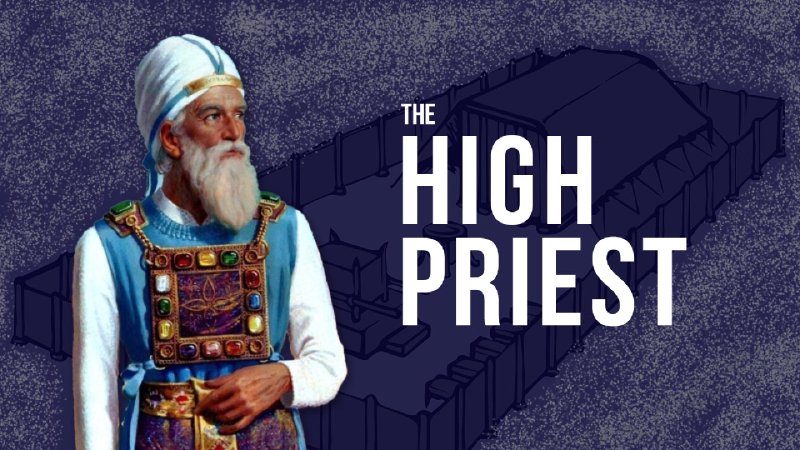
The Promises of the High Priest: Hope, Atonement, and Transformation
One of the most compelling aspects of the High Priest’s role is the promises he embodies. These promises are not just theological concepts but lived realities that offer hope, redemption, and a path to renewal. At the heart of these promises is the idea of atonement—the reconciliation of humanity with the divine through sacrifice and repentance. In ancient traditions, the High Priest’s actions in the Holy of Holies were believed to cleanse the community of sin, allowing for a fresh start.
Beyond atonement, the High Priest’s promises include:
- Guidance and Clarity: The High Priest was seen as a source of divine wisdom, providing direction in times of uncertainty. His role was to interpret sacred texts and laws, ensuring the community aligned with higher principles.
- Protection and Blessing: Through rituals and prayers, the High Priest invoked divine protection over the people, shielding them from harm and misfortune.
- Transformation: The High Priest’s work was not just about external rituals but internal change. His presence and actions were meant to inspire individuals to reflect, repent, and grow spiritually.
These promises resonate today, offering a framework for personal and collective renewal. Whether through religious practice, symbolic rituals, or even secular leadership, the idea of a guiding figure who brings hope and transformation remains powerful.
A Shift in Perspective: Seeing the High Priest in a New Light
The High Priest challenges us to rethink our understanding of leadership, spirituality, and authority. Traditionally, leadership in religious contexts was not about power or control but about service and humility. The High Priest’s role required him to be both a spiritual leader and a servant of the people, embodying the principle that true authority comes from selflessness and devotion.
This shift in perspective is crucial in modern times, where leadership is often associated with dominance or self-interest. The High Priest reminds us that leadership, at its core, is about sacrifice, empathy, and connection. His example invites us to reconsider what it means to lead—whether in our families, communities, or workplaces—and to prioritize the well-being of others above personal gain.

The High Priest as a Symbol of Cultural and Spiritual Archetypes
The figure of the High Priest transcends any single tradition, appearing in various forms across cultures and histories. In ancient Egypt, the High Priest of Amun held immense political and religious power, while in Christianity, Jesus Christ is often referred to as the ultimate High Priest, bridging the gap between God and humanity through his sacrifice. These diverse representations highlight the universal appeal of the High Priest as a symbol of divine connection, wisdom, and redemption.
In modern times, the High Priest archetype can be seen in:
- Spiritual Leaders: Figures who guide communities through faith, offering wisdom and solace in times of crisis.
- Mentors and Teachers: Individuals who act as intermediaries between knowledge and seekers, helping them navigate life’s complexities.
- Artists and Creatives: Those who create works that bridge the gap between the mundane and the transcendent, inviting audiences to see the world differently.
This archetype’s versatility underscores its enduring relevance. The High Priest is not just a relic of the past but a living symbol that continues to inspire and challenge us.
Piquing Curiosity: The High Priest in Modern Thought and Media
The High Priest’s mystique has not faded in contemporary culture. From literature to film, the figure of the High Priest appears as a character who embodies mystery, power, and wisdom. In fantasy genres, High Priests often serve as guardians of ancient knowledge or as antagonists who wield religious authority to manipulate others. These portrayals, while fictional, reflect our fascination with the idea of a hidden, sacred power that shapes destinies.
In popular media, the High Priest can also represent:
- Moral Authority: A figure who challenges societal norms and calls for justice, much like the biblical prophets who stood against corruption.
- Guardian of Tradition: Someone who preserves ancient wisdom and rituals, ensuring they are not lost to time.
- Symbol of Resistance: A leader who defies oppressive systems, using spiritual or moral authority to inspire change.
These modern interpretations keep the High Priest archetype alive, inviting us to explore its layers and relevance in today’s world.
Conclusion
The High Priest – The Male Version is far more than a historical or religious figure; he is a symbol of hope, transformation, and the enduring human quest for connection with the divine. Through his promises of atonement, guidance, and renewal, he challenges us to rethink leadership, spirituality, and our own roles in the world. Whether as a bridge between heaven and earth, a guardian of wisdom, or a figure of cultural archetypes, the High Priest invites us to embrace a shift in perspective—one that prioritizes service, humility, and the pursuit of higher truths.
As you reflect on the High Priest’s legacy, consider how his principles might apply to your own life. How can you embody the qualities of a High Priest in your relationships, work, or spiritual journey? The answers may lie in the timeless promises he represents: hope, transformation, and the courage to see the world—and yourself—differently.
FAQ
What is the significance of the High Priest?
The High Priest serves as an intermediary between the divine and humanity, embodying authority, wisdom, and the promise of transformation.
How does the High Priest relate to modern leadership?
The High Priest challenges traditional views of leadership, emphasizing service and humility over power and control.
Leave a Reply