Short Answer
This guide explores The House of the Devil – The Devil’s Domain, a chilling exploration of perspective shifts and narrative intrigue. You’ll discover the film’s unique approach to storytelling, its thematic depth, and why it stands out in the horror genre. By the end, you’ll understand how this work redefines expectations and leaves a lasting impression.
Understanding The Devil’s Domain: A Shift in Perspective
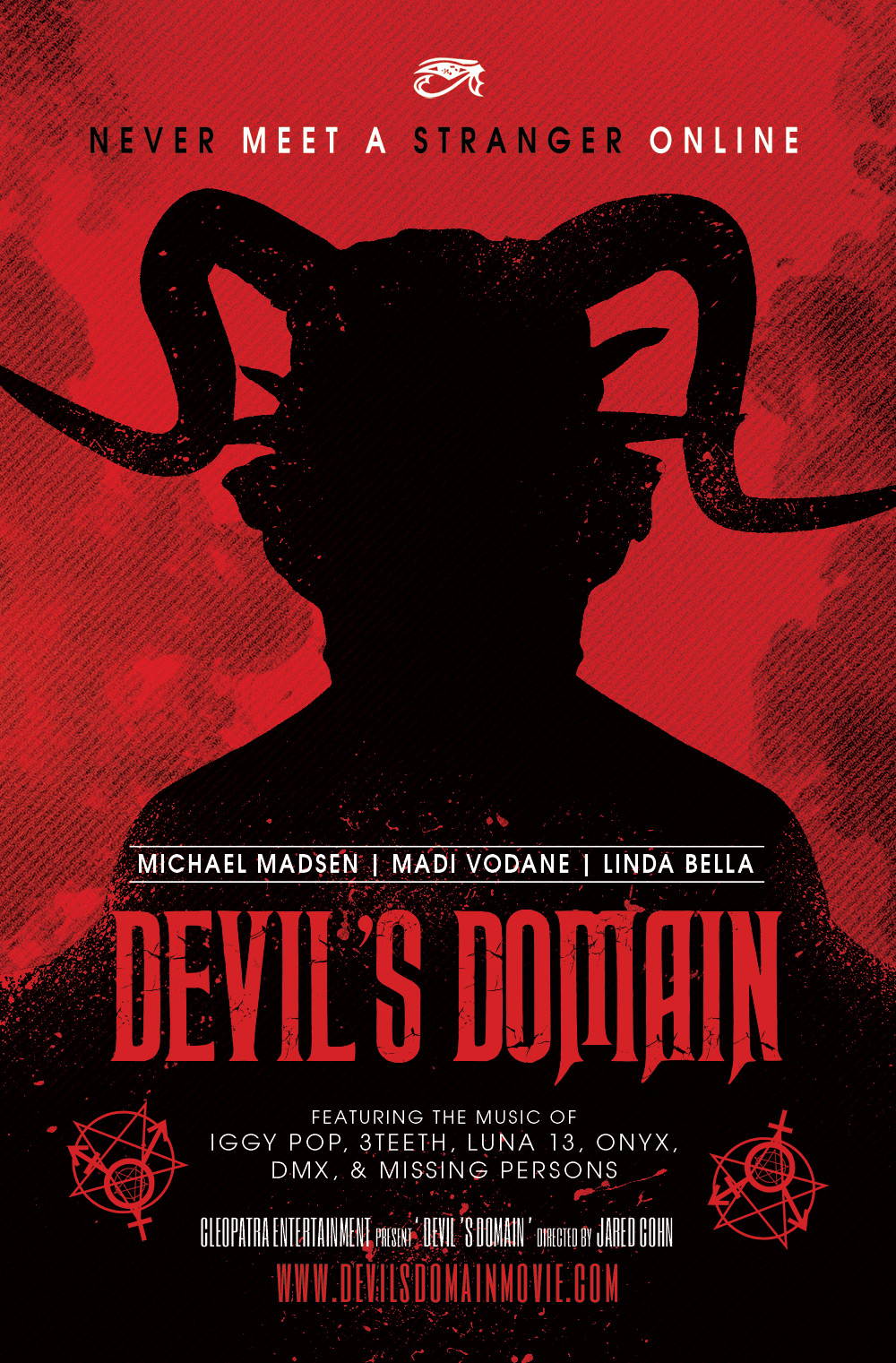
The Devil’s Domain is not just another horror film—it’s an exercise in narrative perspective that challenges the viewer’s assumptions. Unlike traditional horror, which often relies on predictable scares or linear storytelling, this work deliberately alters the audience’s viewpoint to create a sense of unease. The film’s structure ensures that what you think you know is constantly being reshaped, making it difficult to settle into a comfortable interpretation. This intentional disorientation serves as a core strength, forcing viewers to engage more deeply with the material. By the time the credits roll, you may find yourself questioning not just the events on screen, but the very nature of perception itself.
The Power of Curiosity in Horror Storytelling
Curiosity is a driving force in The Devil’s Domain, and the film leverages this instinct masterfully. Rather than spoon-feeding answers, it presents fragments of information, leaving gaps that the audience is compelled to fill. This approach mirrors real-life mysteries, where the unknown often feels more terrifying than the known. The film’s pacing ensures that each revelation is earned, not handed out, which heightens the emotional investment. Whether it’s a cryptic line of dialogue or a fleeting visual cue, every detail is designed to provoke thought and speculation. This method transforms passive viewing into an active experience, where the audience becomes a participant in unraveling the story’s secrets.
Visual and Thematic Contrasts: What Sets It Apart
Visually, The Devil’s Domain contrasts stark realism with surreal abstraction, creating a disorienting yet compelling aesthetic. The use of lighting, shadows, and composition plays a crucial role in establishing the film’s unsettling atmosphere. Thematically, it explores duality—light versus dark, trust versus betrayal, and reality versus illusion. These contrasts are not just stylistic choices; they reflect the film’s deeper exploration of human nature. By juxtaposing opposing elements, the work underscores the fragility of perception and the ease with which reality can be manipulated. This thematic richness elevates it beyond typical horror fare, making it a study in how visual and narrative techniques can work in tandem to challenge the viewer.
Why Perspective Matters: A Deeper Dive into Narrative Techniques
The film’s reliance on shifting perspectives is more than a gimmick—it’s a narrative tool that reinforces its themes. By altering viewpoints, the story mimics the way memory and perception can distort reality. Characters who seem reliable at first may reveal hidden motives, while seemingly minor details take on new significance as the narrative unfolds. This technique also mirrors the horror genre’s obsession with the unreliable narrator, a device that keeps audiences on edge. The result is a story that feels alive, evolving with each new layer of information. For viewers, this means that the film’s impact lingers long after the final scene, as the questions it raises continue to resonate.
How The Devil’s Domain Challenges the Audience
One of the most compelling aspects of The Devil’s Domain is its refusal to cater to conventional horror tropes. There are no jump scares designed to elicit cheap thrills, nor are there clear-cut heroes or villains. Instead, the film presents a morally ambiguous landscape where the line between victim and perpetrator is blurred. This ambiguity forces the audience to confront their own biases and preconceptions about storytelling. It also invites multiple interpretations, ensuring that no two viewers will experience the film in exactly the same way. This challenge to the audience’s expectations is what makes the work so memorable—it doesn’t just entertain; it provokes thought and discussion.
Conclusion
The Devil’s Domain is a masterclass in how perspective and curiosity can elevate horror beyond its traditional boundaries. By deliberately shifting viewpoints and withholding easy answers, it creates an experience that is as intellectually stimulating as it is viscerally engaging. The film’s visual and thematic contrasts ensure that it lingers in the mind, prompting reflection long after the screen fades to black. Whether you’re a fan of horror or simply someone who appreciates innovative storytelling, this work offers a fresh and thought-provoking take on the genre. It’s a reminder that the most effective horror isn’t just about scares—it’s about challenging the way we see the world.
FAQ
What is the main theme of The Devil's Domain?
The main theme revolves around shifting perspectives and the nature of perception in horror storytelling.
How does the film challenge conventional horror tropes?
It avoids jump scares and presents a morally ambiguous landscape, forcing viewers to confront their biases.
Leave a Reply