Short Answer
In this guide, you’ll explore the profound concept of The Last Judgement, a pivotal moment in religious and philosophical traditions. You’ll uncover its significance, the promises it holds, and how it challenges conventional perspectives. By the end, you’ll gain a deeper understanding of this timeless theme and its relevance in modern thought.
The Essence of The Last Judgement
The Last Judgement, often synonymous with the Final Judgement, represents a transformative event where divine justice is meted out. It is a cornerstone in many religious narratives, particularly in Christianity, where it signifies the end of time and the reckoning of souls. This event is not merely about punishment or reward but serves as a cosmic reset—a moment where truth is unveiled, and the scales of justice are balanced. The imagery associated with The Last Judgement, from medieval art to modern interpretations, often depicts a dramatic scene of separation: the righteous ascending to heaven while the wicked are cast into darkness. Yet, beyond the theatrics, the core promise of The Last Judgement is one of ultimate fairness—a world where evil does not go unpunished and goodness is eternally honored.
Promises of Justice and Redemption
At the heart of The Last Judgement lies a powerful promise: justice will prevail. For those who have suffered injustice in life, the idea of a final reckoning offers solace. It assures that no act of cruelty, deception, or oppression will remain unaddressed. This promise extends beyond mere retribution; it includes the possibility of redemption. Many traditions teach that even the most wayward souls can find forgiveness if they repent sincerely. The Last Judgement, therefore, is not just a verdict but an opportunity—a chance for transformation and reconciliation. It challenges individuals to reflect on their actions, knowing that their choices carry eternal consequences. This dual promise of justice and redemption serves as both a warning and a beacon of hope.

A Shift in Perspective: From Fear to Hope
Traditionally, The Last Judgement has been portrayed as a terrifying event, one that evokes fear of divine wrath. However, this perspective overlooks the deeper message it conveys: a call to live with purpose and integrity. When viewed through a lens of hope, The Last Judgement becomes a catalyst for positive change. It invites individuals to examine their lives, to seek alignment with ethical and spiritual principles, and to cultivate compassion. This shift in perspective transforms the concept from a source of dread into a motivating force. Instead of fearing punishment, one can embrace the opportunity to grow, to make amends, and to strive for a life that reflects higher values. The Last Judgement, in this light, is not an end but a beginning—a transition into a state of eternal harmony.
The Role of Faith and Free Will
Central to the narrative of The Last Judgement is the interplay between faith and free will. Many traditions emphasize that while divine justice is inevitable, human agency plays a crucial role in determining one’s fate. Faith is often seen as the bridge between mortal imperfection and divine mercy. It is through faith that individuals find the strength to overcome their flaws and align themselves with a higher purpose. Free will, on the other hand, underscores the importance of personal responsibility. The Last Judgement serves as a reminder that every choice—no matter how small—has weight. It challenges individuals to live authentically, to act with kindness, and to seek truth, knowing that their actions will be judged in the fullness of time. This dynamic between faith and free will adds depth to the concept, making it a profound reflection on human nature and destiny.
Cultural and Artistic Interpretations
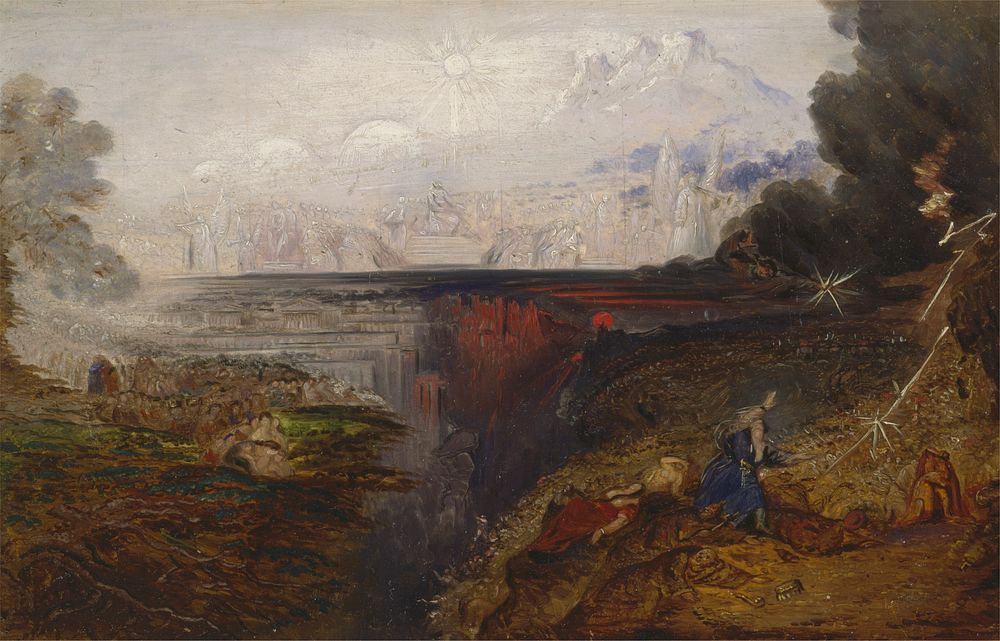
The Last Judgement has inspired some of the most iconic works of art, literature, and music throughout history. From Michelangelo’s Sistine Chapel ceiling to Dante’s Divine Comedy, these creations capture the awe and terror associated with the concept. Artistic depictions often emphasize the duality of human nature—both its capacity for greatness and its propensity for failure. These interpretations serve as a visual and emotional guide, helping individuals grapple with the weight of the idea. In modern times, The Last Judgement continues to resonate, appearing in films, novels, and philosophical discussions. Each portrayal offers a unique lens through which to understand the theme, whether as a literal event or a metaphor for personal transformation. The enduring appeal of The Last Judgement in culture underscores its universal relevance and the timeless questions it raises about morality, justice, and the human condition.
Piquing Curiosity: Questions That Arise
The Last Judgement raises profound questions that invite deeper contemplation. What does it mean to be judged? Is justice truly blind, or does it account for context and intention? How does one reconcile the idea of a loving God with the notion of eternal punishment? These questions challenge individuals to engage with the concept on a personal level, prompting introspection and dialogue. The mystery surrounding The Last Judgement also fuels curiosity about the afterlife, the nature of the soul, and the possibility of reconciliation. By exploring these questions, one can uncover layers of meaning that extend beyond dogma, touching on universal themes of morality, redemption, and the search for meaning. The Last Judgement, in this sense, becomes not just an event but a gateway to philosophical and spiritual exploration.
Conclusion
The Last Judgement is far more than a theological doctrine or a dramatic artistic motif—it is a mirror held up to humanity, reflecting our deepest fears, hopes, and aspirations. It promises justice, redemption, and a shift in perspective that challenges us to live with greater awareness and integrity. Whether viewed through the lens of faith, philosophy, or art, The Last Judgement invites us to confront the consequences of our actions and to strive for a higher ideal. In a world often marked by uncertainty and injustice, this ancient concept offers a timeless reminder: that our choices matter, that truth will prevail, and that the journey toward enlightenment is ongoing. As you reflect on The Last Judgement, consider what it means for you—not as a distant event, but as a call to live with purpose, compassion, and unwavering hope.
FAQ
What is The Last Judgement?
The Last Judgement refers to a transformative event in religious narratives where divine justice is executed, determining the fate of souls.
What does The Last Judgement promise?
It promises justice and the possibility of redemption for individuals who seek forgiveness.
How does faith relate to The Last Judgement?
Faith is considered essential for overcoming flaws and aligning with a higher purpose in the context of divine judgement.
Leave a Reply