Short Answer
The Moon has long captivated humanity with its luminous presence, enigmatic phases, and cultural significance. In this guide, we explore “The Moon as a Person – The Mysterious One,” delving into its scientific wonders, mythological roles, and artistic inspirations. Whether you’re a stargazer, a storyteller, or simply curious about Earth’s closest celestial companion, this article offers a multifaceted journey through lunar lore and knowledge. Discover how the Moon influences tides, shapes ancient legends, and continues to inspire modern creativity. By the end, you’ll see the Moon not just as a distant orb, but as a dynamic, ever-present force in human history and imagination.
The Moon in Science: Earth’s Celestial Companion
The Moon is more than a glowing nightlight—it is a vital partner in Earth’s cosmic dance. Formed approximately 4.5 billion years ago from the debris of a massive collision between Earth and a Mars-sized body, the Moon stabilizes our planet’s axial tilt, preventing extreme climate shifts. Its gravitational pull creates ocean tides, shaping coastal ecosystems and influencing marine life cycles. The Moon’s synchronous rotation means we always see the same face, a phenomenon known as tidal locking. Scientists study its geology through lunar samples and missions like NASA’s Apollo program, revealing a history of volcanic activity, impact craters, and a surprisingly complex internal structure. From its origin to its role in space exploration, the Moon remains a cornerstone of planetary science.

Lunar Phases: A Cycle of Light and Shadow
The Moon’s ever-changing appearance is one of its most mesmerizing traits. Its phases—new moon, waxing crescent, first quarter, waxing gibbous, full moon, waning gibbous, last quarter, and waning crescent—result from its orbit around Earth and the varying angles of sunlight it reflects. A full moon occurs when the Earth is between the Sun and Moon, fully illuminating its face. Conversely, a new moon happens when the Moon is positioned between Earth and the Sun, rendering it invisible from our vantage point. These phases have guided calendars, agricultural cycles, and cultural rituals for millennia. In many traditions, the full moon symbolizes completion and heightened energy, while the new moon represents beginnings and introspection. Observing these transitions offers a tangible connection to the cosmos.

Cultural Myths: The Moon as a Divine Figure
Across civilizations, the Moon has been deified, feared, and revered. In Greek mythology, Selene, the goddess of the Moon, drives her silver chariot across the sky, while her Roman counterpart, Luna, lends her name to the lunar cycle. In Hindu tradition, Chandra, the Moon god, is associated with calmness and mental clarity. Chinese folklore tells of Chang’e, who ascended to the Moon after consuming an elixir of immortality, becoming a symbol of aspiration and solitude. Native American tribes often view the Moon as a nurturing mother or a trickster figure, depending on the legend. These myths reflect humanity’s attempt to explain the Moon’s behavior, its influence on nature, and its place in the grand tapestry of existence. Even today, lunar symbolism persists in festivals like the Mid-Autumn Festival and in modern media, where the Moon often embodies mystery, romance, or the unknown.
The Moon in Art and Literature: A Timeless Muse
The Moon’s ethereal beauty has inspired artists, writers, and musicians for centuries. In visual arts, it appears as a soft glow in Van Gogh’s “Starry Night,” a dramatic backdrop in Caspar David Friedrich’s “Two Men Contemplating the Moon,” and a surreal element in contemporary digital art. Literature abounds with lunar themes—from Shakespeare’s “A Midsummer Night’s Dream,” where the Moon governs the fairies’ mischief, to modern science fiction like Ray Bradbury’s “The Martian Chronicles,” which explores human longing for the Moon. Poetry often uses the Moon as a metaphor for longing, mystery, or the passage of time. Even music draws from its allure, with songs like “Fly Me to the Moon” and Pink Floyd’s “Dark Side of the Moon” capturing its emotional resonance. The Moon’s presence in art transcends cultures and eras, proving its enduring appeal as a symbol of wonder.
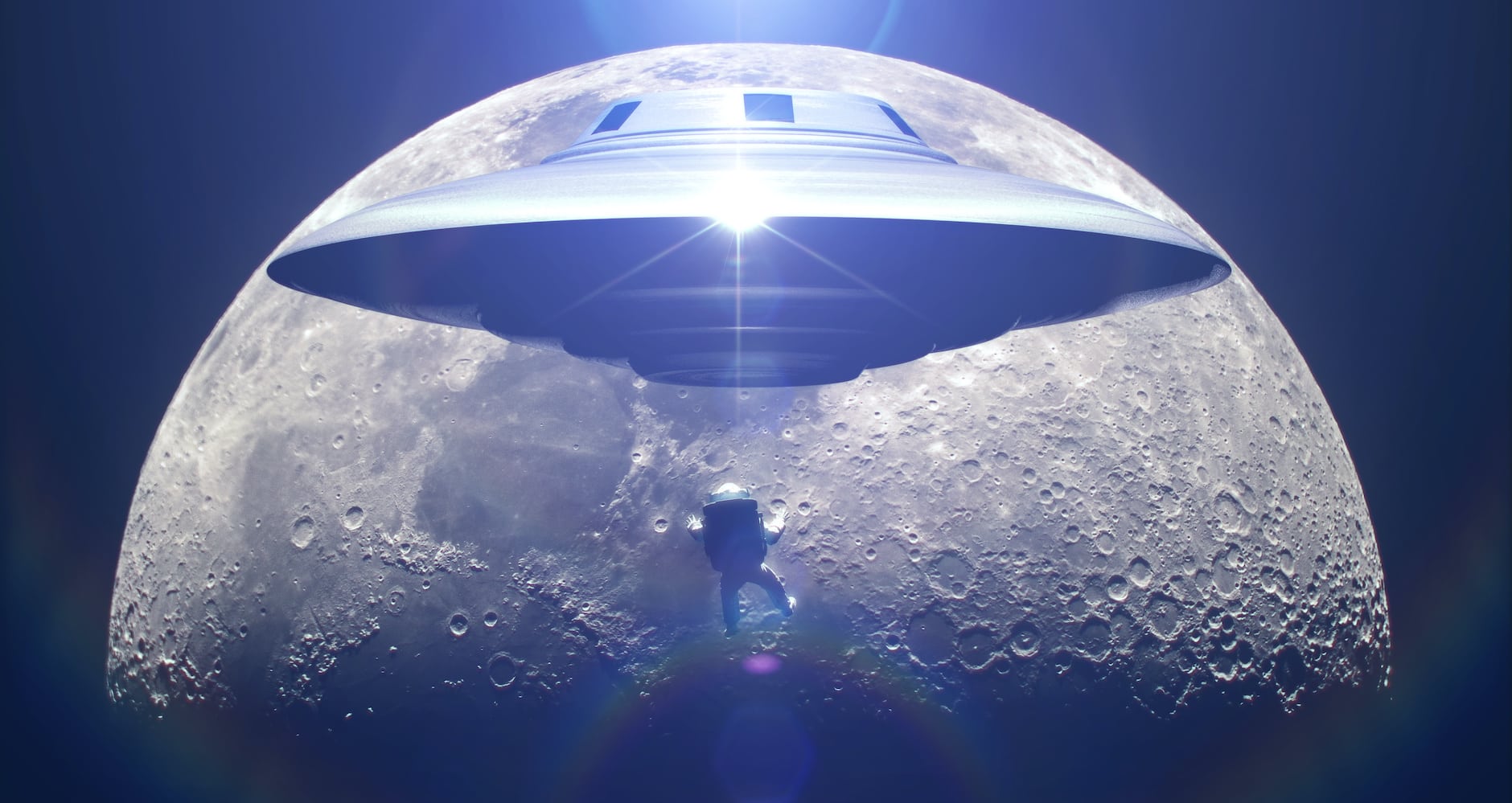
Lunar Mysteries: Unsolved Questions and Future Exploration
Despite centuries of study, the Moon still holds secrets. What caused the stark contrast between its bright highlands and dark maria? Why does the far side of the Moon differ so dramatically from the near side? Could there be water ice in permanently shadowed lunar craters, a potential resource for future colonies? These questions drive ongoing missions like NASA’s Artemis program, which aims to return humans to the Moon by 2026, and China’s Chang’e missions, which have already landed rovers on its surface. Private companies, too, are joining the race, with plans for lunar tourism and resource extraction. The Moon’s potential as a stepping stone for Mars missions and a hub for deep-space telescopes adds urgency to its exploration. As technology advances, we may soon uncover answers—or even new mysteries—that redefine our understanding of this enigmatic neighbor.
Conclusion
The Moon is far more than a silent satellite—it is a dynamic, multifaceted entity that bridges science, culture, and imagination. From its gravitational influence on Earth to its role in ancient myths and modern art, the Moon continues to shape human experience in profound ways. Whether you’re drawn to its scientific intricacies, its poetic symbolism, or its promise as a frontier for exploration, the Moon offers endless avenues for discovery. As we look to the future, with plans for lunar bases and interplanetary travel, the Moon remains a steadfast companion in humanity’s journey through the cosmos. Next time you gaze at its luminous face, remember: it is not just a celestial body, but a mirror reflecting our curiosity, fears, and dreams.
FAQ
What causes the different phases of the Moon?
The Moon's phases result from its orbit around Earth and how sunlight illuminates its visible side, creating phases from new moon to full moon.
How does the Moon affect tides on Earth?
The Moon's gravitational pull causes ocean tides, influencing coastal ecosystems and marine life cycles.
What cultural significance does the Moon hold?
The Moon has been revered in myths and festivals worldwide, symbolizing mystery, fertility, guidance, and transformation.
What are the goals of current Moon exploration missions?
Current missions aim to study lunar geology, search for water ice, prepare for human colonization, and use the Moon as a launch point for deeper space exploration.
Leave a Reply