Short Answer
Ever wondered why cultures across the globe revere the Mother Goddess and the Mother in such profound ways? What if the divine feminine isn’t just a symbol but a living, breathing force that shapes our world? In this guide, you’ll explore the essence of the Mother Goddess and the Mother, uncover their symbolic meanings, and discover how their influence permeates mythology, spirituality, and even modern life. By the end, you might find yourself seeing the divine feminine in a whole new light—one that’s playful, powerful, and deeply personal.
What Is the Mother Goddess? A Divine Archetype Explored
The Mother Goddess is a universal archetype found in nearly every culture, representing creation, nurturing, and the cyclical nature of life. Unlike a single deity, she takes many forms—from the fierce Hindu goddess Kali to the gentle Greek goddess Demeter. These goddesses embody the duality of life: they bring forth existence but also hold the power to destroy and renew. The Mother Goddess isn’t just a figure of worship; she’s a mirror to humanity’s deepest fears, hopes, and reverence for the natural world.
In ancient societies, the Mother Goddess was often linked to fertility, agriculture, and the earth itself. Statues like the Venus of Willendorf, dating back over 25,000 years, depict a full-figured woman, symbolizing abundance and the life-giving force. Even today, her presence lingers in symbols like the crescent moon, a nod to her association with cycles and renewal. Whether you see her as a literal deity or a metaphor for nature’s power, the Mother Goddess challenges us to reconsider our relationship with the world around us.
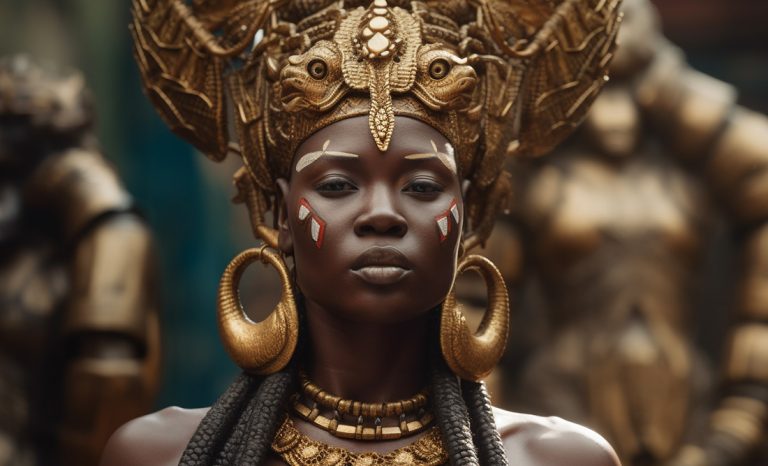
The Mother: More Than Just a Parent—An Eternal Symbol
While the Mother Goddess is often a deity, the concept of “the Mother” extends beyond mythology into everyday life. She represents the nurturing figure who provides care, guidance, and unconditional love. But she’s also a complex symbol—one that can evoke both comfort and constraint. Think of the societal expectations placed on mothers: the pressure to be selfless, the guilt over not being “enough,” and the invisible labor that often goes unnoticed. The Mother, in this sense, becomes a paradox—a source of strength and a battleground for modern ideals.
In psychology, the “Great Mother” archetype, as described by Carl Jung, embodies the unconscious feminine energy that influences our lives. She can appear as a nurturing figure or a devouring force, depending on the context. This duality is evident in stories like the Greek myth of Demeter and Persephone, where a mother’s grief over her daughter’s abduction leads to the changing of the seasons. The Mother isn’t just a role; she’s a dynamic force that shapes emotions, relationships, and even cultural narratives.
Playful challenge: Next time you see a mother in a film, advertisement, or even a casual conversation, ask yourself—how is her role being framed? Is she the nurturer, the villain, or something in between? This simple exercise can reveal the hidden biases and stereotypes we’ve internalized about motherhood.
Mother Goddesses Around the World: A Journey Through Mythology
From the Hindu goddess Shakti, the divine energy that animates the universe, to the Egyptian goddess Isis, who resurrected her husband Osiris, mother goddesses take center stage in myths that explain the origins of the world. In Norse mythology, the giantess Jord is the earth mother who gives birth to Thor, while in African traditions, the Yoruba goddess Oshun embodies love, beauty, and fertility. Each of these figures reflects the values and challenges of their respective cultures, offering a window into how societies have revered—or feared—the feminine divine.
One fascinating aspect of these goddesses is their association with animals. For example, the Hindu goddess Durga rides a tiger, symbolizing her mastery over raw power, while the Celtic goddess Danu is linked to rivers and water, representing life’s fluidity. These animal companions aren’t just decorative; they’re extensions of the goddess’s essence, teaching us that nature and the divine are inseparable. Even in modern times, these symbols persist—think of the Virgin Mary’s association with the moon or the dove, both of which carry echoes of older mother goddess traditions.

The Mother Goddess in Modern Spirituality and Pop Culture
Today, the Mother Goddess isn’t confined to ancient temples or dusty scrolls. She’s alive in feminist spirituality, eco-feminism, and even mainstream media. Movements like the “Goddess Feminism” of the 1970s reclaimed the divine feminine as a tool for empowerment, while films like Wonder Woman and Moana feature mother figures who embody strength, wisdom, and resilience. Even in music, artists like Beyoncé have referenced the Mother Goddess in works like Lemonade, where she explores themes of betrayal, healing, and feminine power.
But the Mother Goddess isn’t just a feminist icon or a pop culture trope. She’s also a symbol of environmental activism. Eco-feminists argue that the exploitation of nature is linked to the oppression of women, drawing parallels between the Earth as a nurturing mother and the systemic undervaluing of both. This perspective invites us to reconsider our relationship with the planet—are we caring for it as we would a mother, or are we taking it for granted, much like the ungrateful children in myths who forget their origins?
Challenge: Try this week to incorporate a small ritual or mindfulness practice that honors the Mother Goddess. It could be lighting a candle, planting a seed, or even writing a letter to your own mother (or yourself, if you’re reflecting on self-nurturing). Notice how these acts shift your perspective on the divine feminine.
Why Does the Mother Goddess Matter Today?
In a world that often prioritizes logic, productivity, and individualism, the Mother Goddess offers a counterbalance—a reminder of the cyclical, interconnected nature of existence. She teaches us that creation and destruction are two sides of the same coin, that nurturing isn’t weakness, and that power can be gentle. Whether you’re a parent, a spiritual seeker, or simply someone curious about the stories that shape our world, the Mother Goddess invites you to explore the feminine divine in all its forms.
She also challenges us to confront the contradictions in our own lives. How do we balance the need to nurture with the desire for independence? How do we reconcile the idealized mother figure with the messy reality of motherhood? These aren’t easy questions, but they’re essential ones. The Mother Goddess doesn’t provide all the answers—she asks the questions, and that’s where the real magic lies.
Conclusion: Embracing the Divine Feminine in All Its Forms
The Mother Goddess and the Mother are more than just figures from the past; they’re living symbols that continue to shape our world. From the myths that explain the origins of the universe to the modern movements that reclaim feminine power, their influence is undeniable. Whether you see them as deities, archetypes, or simply as reflections of human experience, their stories invite us to explore the depths of our own humanity.
So, the next time you encounter a mother goddess in a story, a piece of art, or even a conversation, pause for a moment. Ask yourself: What does this figure represent to me? How does her story resonate with my own life? And perhaps most importantly, how can I honor the divine feminine—not just in others, but within myself?
The journey of understanding the Mother Goddess and the Mother is ongoing, and it’s one that promises to be as enriching as it is enlightening. After all, the divine feminine isn’t just out there in the world—she’s within us, waiting to be acknowledged, celebrated, and embraced.
FAQ
What is the significance of the Mother Goddess?
The Mother Goddess represents the divine feminine and embodies nurturing, creation, and the duality of life, influencing both ancient and modern cultures.
How does the concept of 'the Mother' extend beyond mythology?
The concept of 'the Mother' reflects nurturing figures in everyday life, embodying complex societal expectations and psychological archetypes.
Leave a Reply