Short Answer
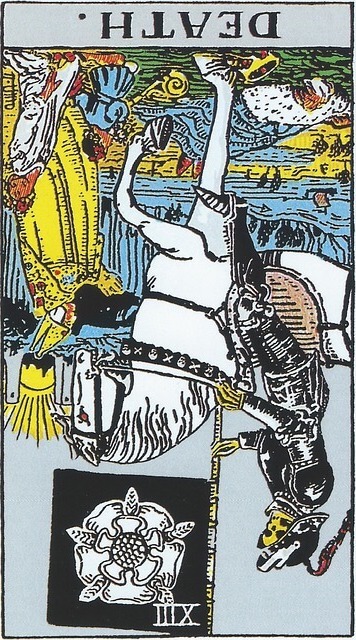
Have you ever pulled a tarot card that left you scratching your head, wondering, “Wait, what does this *really* mean?” If you’ve ever dismissed a card as “just bad luck” or “too scary to interpret,” you’re not alone. But here’s the twist: the most commonly misread tarot card isn’t the towering Death card—it’s the one that seems so innocent, so straightforward, that it trips up even seasoned readers. Today, we’re diving deep into the card that plays the ultimate trickster: The Hierophant. By the end of this guide, you’ll see why this card is the ultimate tarot enigma—and how to decode its true message.
The Hierophant: More Than Just a Religious Figure
The Hierophant is often depicted as a wise, robed figure sitting between two pillars, often with two acolytes at his feet. At first glance, he looks like a spiritual leader, a teacher, or even a priest. But here’s the playful challenge: this card isn’t just about tradition or dogma—it’s about the tension between conformity and personal truth. The Hierophant represents structured knowledge, but it also asks you to question whether that structure serves you or holds you back.
Imagine pulling this card in a reading about your career. You might think, “Oh, I need to follow the rules or seek guidance from a mentor.” While that’s part of the message, the deeper question is: Are you blindly following the path laid out for you, or are you using tradition as a foundation to build something uniquely yours? The Hierophant doesn’t just say, “Listen to the experts.” It says, “Learn from the past, but don’t let it chain you to the present.”
Why Everyone Gets It Wrong: The Trap of Assumptions
The biggest mistake readers make with The Hierophant is assuming it’s purely about religion, authority, or rigid rules. While it can symbolize these things, reducing it to that misses its nuance entirely. The card is a mirror—it reflects back to you the systems you’ve internalized and asks whether they’re serving your growth or stifling it.
For example, if you’re in a relationship and pull The Hierophant, you might interpret it as “stay traditional” or “obey societal expectations.” But what if the card is actually asking: Are you honoring your own values, or are you conforming to what others expect of you? The Hierophant’s pillars aren’t just about holding up a temple—they’re about the boundaries between what you’ve been taught and what you truly believe.
This card is the tarot’s way of saying, “Don’t just follow the crowd—ask why you’re following them.” It’s a call to examine the rules you live by, whether they’re family expectations, cultural norms, or even your own self-imposed limitations.
The Hierophant’s Dual Nature: Tradition vs. Rebellion
The Hierophant isn’t just one thing—it’s a paradox. On one hand, it represents wisdom, mentorship, and spiritual guidance. On the other, it challenges you to break free from dogma. Think of it like a teacher who doesn’t just give you answers but teaches you how to think critically. The card’s energy is about finding a balance between honoring the past and forging your own path.
In a career reading, The Hierophant might suggest seeking a mentor or following a proven path—but it could also warn against staying in a job or industry that no longer aligns with your values. In a love reading, it might highlight the importance of shared beliefs, but it could also reveal that you’re staying in a relationship out of obligation rather than genuine connection.
The key is to ask: Is this tradition empowering me, or is it keeping me stuck? The Hierophant doesn’t give easy answers—it gives you the tools to find your own.

How to Work With The Hierophant’s Energy
So, how do you harness The Hierophant’s wisdom without falling into its traps? Start by asking yourself these questions:
- What traditions or beliefs am I holding onto that no longer serve me? This could be anything from outdated family expectations to societal norms that don’t resonate with who you are today.
- Am I seeking guidance from the right sources? The Hierophant reminds you to choose mentors and teachers wisely—but also to trust your own intuition when something doesn’t feel right.
- Where am I conforming out of fear rather than conviction? Are you following a path because it’s what’s expected, or because it’s truly aligned with your soul’s purpose?
Another powerful exercise is to journal about a time you felt torn between tradition and personal truth. The Hierophant’s energy thrives in these moments of tension, so exploring them can reveal hidden insights.
The Hierophant in Different Contexts: Real-Life Examples
Let’s look at how The Hierophant might appear in different areas of life:
- Career: You might pull this card when considering a job offer. On the surface, it could suggest taking a conventional path, but deeper down, it’s asking if this role aligns with your long-term vision—or if it’s just a “safe” choice that doesn’t excite you.
- Relationships: In a love reading, The Hierophant might highlight the importance of shared values, but it could also reveal that you’re staying in a relationship because it’s “expected” rather than because it’s fulfilling.
- Spirituality: This card often appears when you’re questioning your beliefs. Are you following a spiritual path out of genuine connection, or because it’s what you’ve always been taught?
The Hierophant doesn’t give black-and-white answers—it gives you the space to explore the gray areas. That’s where its magic lies.
Conclusion: The Hierophant as Your Guide, Not Your Jailer
The Hierophant is the tarot card that teaches you the most about yourself—not by giving you answers, but by asking you the right questions. It’s not about blindly following rules or rebelling for the sake of it. It’s about finding the wisdom in tradition while also having the courage to carve your own path.
Next time you pull this card, don’t just see a religious figure or a symbol of authority. See a teacher, a challenger, and a mirror. Ask yourself: What am I holding onto that’s no longer serving me? Where can I honor the past while creating my own future? The Hierophant isn’t here to tell you what to do—it’s here to help you figure it out for yourself.
So the next time this card appears in a reading, smile. You’re not getting a simple answer—you’re getting an invitation to think deeper, question more, and ultimately, grow.
FAQ
What does The Hierophant tarot card represent?
The Hierophant represents structured knowledge, tradition, and the challenge of questioning societal norms and personal beliefs.
Why do people misinterpret The Hierophant?
Many reduce The Hierophant to purely religious or authority figures, missing its deeper message about personal truth and questioning conformity.
How can I work with The Hierophant's energy?
Reflect on traditions that no longer serve you, seek guidance from the right sources, and evaluate where you may be conforming out of fear.
Leave a Reply