Short Answer
Welcome to this comprehensive guide on The Original Rider Waite Tarot Deck and its various versions. Whether you’re a seasoned tarot reader or a curious beginner, this article will explore the history, variations, and content you can expect from different editions of this iconic deck. You’ll learn about the deck’s origins, its significance in tarot history, and how different publishers have adapted it over time. By the end, you’ll have a deeper understanding of what makes the Rider Waite Tarot so enduring and how to choose the version that best suits your needs.
The History and Significance of the Rider Waite Tarot
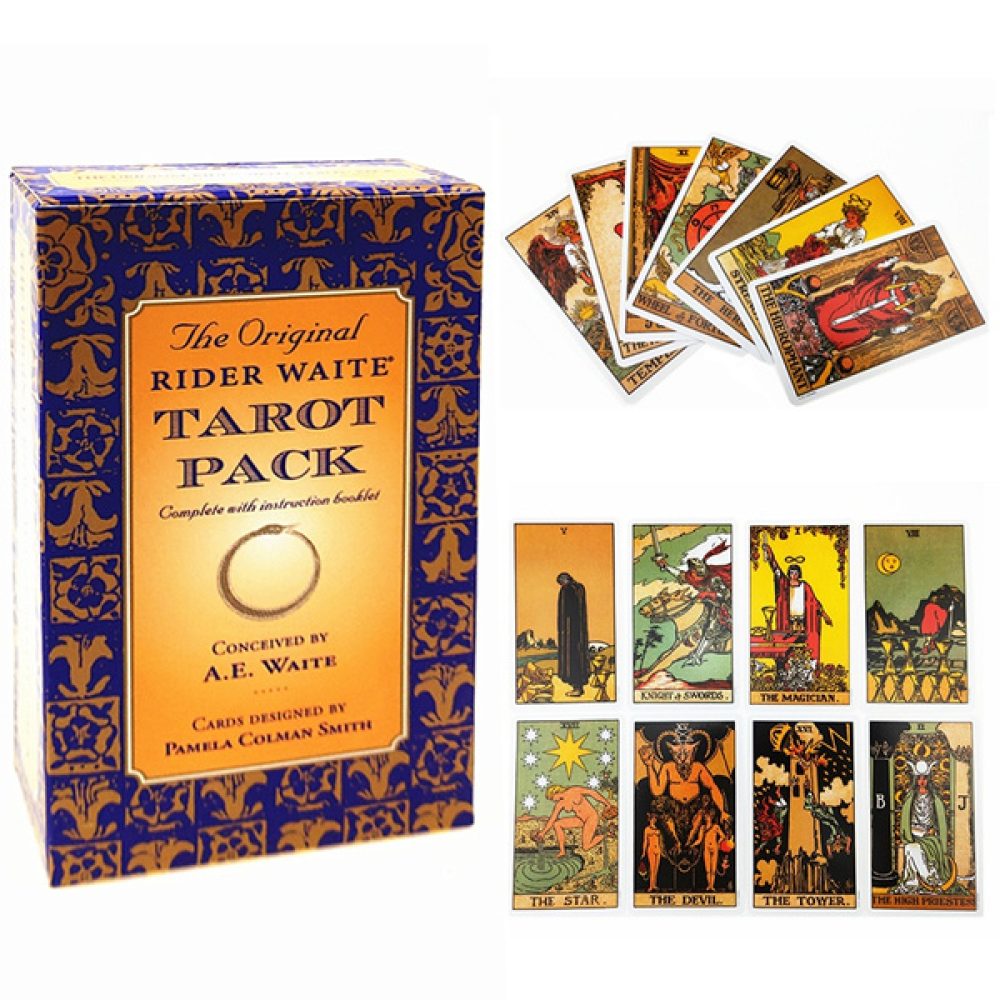
The Rider Waite Tarot, first published in 1909, is one of the most influential and widely recognized tarot decks in the world. Created by artist Pamela Colman Smith under the guidance of mystic A.E. Waite, this deck revolutionized tarot by introducing fully illustrated Minor Arcana cards—a departure from the traditional pip-only designs. The deck was published by Rider & Company, hence the name “Rider Waite.” Its rich symbolism, accessible imagery, and deep esoteric roots have made it a staple in both divinatory and artistic circles. The deck’s Major Arcana, featuring 22 cards like The Fool, The Lovers, and The World, follows a narrative arc that mirrors the journey of life, while the Minor Arcana—divided into four suits (Wands, Cups, Swords, and Pentacles)—provides practical insights into daily experiences.
Key Features of the Original Rider Waite Tarot
The Original Rider Waite Tarot is distinguished by several key features that set it apart from other decks. Firstly, its artwork, rendered by Pamela Colman Smith, is deeply symbolic and open to interpretation, making it a favorite among readers who appreciate nuanced meanings. Each card is rich in detail, with vibrant colors and intricate designs that invite exploration. The deck consists of 78 cards: 22 Major Arcana and 56 Minor Arcana, including 16 court cards (Page, Knight, Queen, King for each suit). The Minor Arcana cards depict scenes rather than simple symbols, which enhances their storytelling potential. Additionally, the deck’s structure adheres to the traditional Rider-Waite-Smith system, ensuring consistency with historical tarot practices.

Variations and Modern Adaptations
While the Original Rider Waite Tarot remains a timeless classic, numerous variations and modern adaptations have emerged over the years. Publishers have reimagined the deck in different styles, themes, and formats to cater to diverse preferences. Some popular versions include the Universal Waite Tarot, which simplifies the imagery for clarity, and the Radiant Rider Waite, which features brighter, more vibrant colors. Other adaptations, such as the Rider Waite Tarot (78 Card Deck) by U.S. Games Systems, maintain the original artwork while offering high-quality printing. Themed decks, like the Rider Waite Tarot in a Celtic Cross Spread or the Rider Waite Tarot with Guidebook, provide additional context and guidance for readers. These variations ensure that the essence of the Original Rider Waite is preserved while making it accessible to new audiences.

Content You Can Expect from Different Editions
When exploring the Original Rider Waite Tarot and its variations, readers can expect a range of content tailored to their needs. Most editions include the full 78-card deck, with some offering additional features such as guidebooks, companion books, or reference cards. For example, the Rider Waite Tarot Guidebook by A.E. Waite himself provides historical context and interpretations for each card, while modern guidebooks often include contemporary perspectives. Some decks, like the Rider Waite Tarot in a Tin, are designed for portability, making them ideal for travel. Themed editions may include unique spreads or meditations, such as the Rider Waite Tarot for Self-Discovery or the Rider Waite Tarot for Love and Relationships. These additions enhance the reading experience and provide deeper insights into the cards’ meanings.
How to Choose the Right Version for You
Selecting the right version of the Rider Waite Tarot depends on your personal preferences and reading style. Beginners may prefer a deck with clear, easy-to-understand imagery, such as the Universal Waite Tarot, while experienced readers might gravitate toward editions that offer deeper symbolism, like the Original Rider Waite Tarot. If you enjoy vibrant colors and modern aesthetics, the Radiant Rider Waite could be an excellent choice. For those who appreciate portability, compact editions or decks in tins are ideal. Additionally, consider whether you want a deck that includes a guidebook or companion material, as this can greatly enhance your understanding of the cards. Ultimately, the best version is the one that resonates with you and aligns with your spiritual or divinatory goals.
Conclusion
The Original Rider Waite Tarot and its many variations offer a rich tapestry of symbolism, history, and practical guidance for tarot enthusiasts. From the iconic artwork of Pamela Colman Smith to the modern adaptations that cater to diverse tastes, this deck remains a cornerstone of tarot practice. Whether you’re drawn to the traditional imagery of the Original Rider Waite or the contemporary twists of newer editions, there’s a version that will inspire and guide you on your tarot journey. By exploring the history, features, and variations of the Rider Waite Tarot, you’ll gain a deeper appreciation for its enduring legacy and find the perfect deck to support your spiritual exploration.
FAQ
What is the Original Rider Waite Tarot Deck?
The Original Rider Waite Tarot Deck is a historic tarot deck first published in 1909, known for its illustrated Minor Arcana and significant influence on tarot reading.
How many cards are in the Rider Waite Tarot Deck?
The Rider Waite Tarot Deck consists of 78 cards, including 22 Major Arcana and 56 Minor Arcana cards.
What are some popular variations of the Rider Waite Tarot?
Popular variations include the Universal Waite Tarot, Radiant Rider Waite, and themed editions that offer unique designs or companion materials.
Leave a Reply