Short Answer
Embark on a culinary journey that redefines your perception of comfort food. This guide explores the fascinating world of The Pie & The Pizza, two culinary concepts that promise to shift your perspective and ignite your curiosity. From their rich histories to their innovative approaches, you’ll discover what makes these dishes more than just meals—they’re experiences. Whether you’re a seasoned foodie or a casual diner, prepare to see pies and pizzas in a whole new light.
The Evolution of Comfort Food: From Humble Beginnings to Gourmet Delights
Comfort food has long been a staple in cultures worldwide, offering solace in every bite. The Pie and The Pizza, though distinct, share a common thread—they have evolved from simple, rustic dishes to gourmet creations that tantalize the senses. The Pie, with its flaky crust and diverse fillings, traces its roots to ancient civilizations where grains and meats were baked together for preservation and flavor. Over centuries, it transformed into a symbol of home and tradition, with regional variations like the British meat pie or the American apple pie becoming cultural icons.
The Pizza, on the other hand, began as a humble flatbread in Naples, Italy, topped with basic ingredients like tomatoes and cheese. Its journey to global fame is a testament to human ingenuity, as it adapted to local tastes and ingredients. Today, pizzas range from classic Margheritas to avant-garde creations featuring exotic toppings like truffle oil or figs. Both The Pie and The Pizza have transcended their origins, becoming canvas for culinary creativity and innovation.
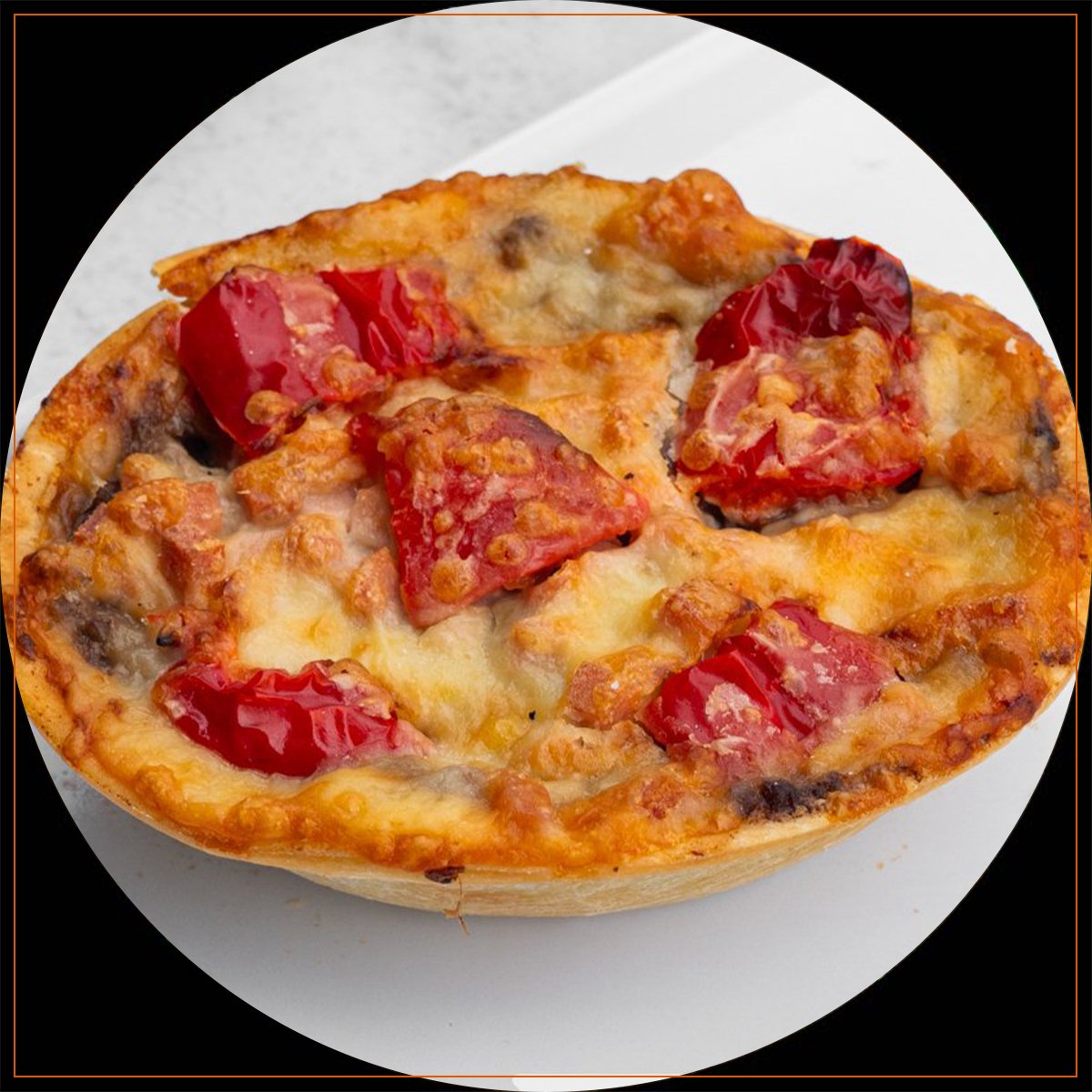
What Sets The Pie Apart: A Symphony of Flavors and Textures
The Pie is more than just a dish; it’s a harmonious blend of textures and flavors encased in a buttery, flaky crust. Unlike its cousin the Pizza, which relies on a thin or thick base, The Pie offers a handheld experience where the crust plays a starring role. Whether it’s the crunch of a pot pie’s top crust or the tenderness of a fruit pie’s bottom, each component is designed to complement the filling. The versatility of The Pie is unparalleled—sweet or savory, it can be a hearty meal, a dessert, or even a portable snack.
One of the most intriguing aspects of The Pie is its adaptability. Regional specialties like the French tourtière, the Australian meat pie, or the Jamaican beef patty showcase how different cultures have personalized this dish. The Pie also lends itself to modern twists, such as vegan or gluten-free versions, proving its ability to evolve with dietary trends. Its ability to balance tradition and innovation makes it a dish that continues to surprise and delight.
The Pizza Phenomenon: More Than Just a Meal
Pizza is a global phenomenon, a dish that has transcended borders and become a universal language of flavor. What sets The Pizza apart is its communal nature—it’s meant to be shared, whether among friends, family, or even strangers at a bustling pizzeria. The magic of pizza lies in its simplicity: a base, sauce, cheese, and toppings, yet the combinations are endless. From the classic pepperoni to the exotic pizza al funghi with wild mushrooms, each variation tells a story of culture, tradition, and creativity.
The Pizza also embodies the spirit of experimentation. Chefs around the world have pushed the boundaries of what a pizza can be, incorporating ingredients like smoked salmon, arugula, or even breakfast staples like eggs and bacon. The rise of artisanal pizzas, with their hand-stretched dough and wood-fired cooking methods, has elevated this humble dish to gourmet status. Whether you prefer a Neapolitan-style pie with a charred crust or a deep-dish Chicago masterpiece, The Pizza offers something for every palate.

Culinary Techniques: The Art of Crafting The Pie & The Pizza
Behind every great pie or pizza lies a mastery of culinary techniques. Crafting The Pie requires precision in balancing flavors and textures. The crust, whether flaky, crumbly, or buttery, must complement the filling without overpowering it. Techniques like blind baking (pre-baking the crust) ensure that the base remains crisp, even when filled with moist ingredients. For savory pies, slow-cooking the filling enhances the depth of flavor, while for sweet pies, the balance of sugar and acidity is key to achieving the perfect harmony.
The Pizza, too, demands skill and patience. The dough, made from flour, water, yeast, and salt, undergoes a fermentation process that can last from hours to days, developing complex flavors and a light, airy texture. The sauce, whether a simple tomato base or a rich pesto, must complement the toppings without overwhelming them. The cooking method—whether in a wood-fired oven, a cast-iron skillet, or a conventional oven—also plays a crucial role in achieving the ideal crust, whether it’s crispy, chewy, or charred.
Cultural Significance: How The Pie & The Pizza Shape Traditions
The Pie and The Pizza are more than just dishes; they are cultural ambassadors that reflect the history and values of the societies that created them. In many cultures, The Pie is a symbol of togetherness, often served at gatherings, holidays, or even as a portable meal for workers. In the United States, apple pie is synonymous with patriotism, while in the UK, the steak and kidney pie is a staple of pub culture. The Pie’s ability to adapt to local ingredients and tastes has made it a beloved dish worldwide.
The Pizza, too, holds deep cultural significance. In Italy, pizza is a point of national pride, with strict rules about its preparation and ingredients. In the United States, pizza has become a cultural melting pot, with regional styles like New York’s thin crust or Chicago’s deep-dish reflecting the diversity of the country. Globally, pizza has been embraced and adapted, from Japan’s okonomiyaki pizza to India’s tandoori pizza, showcasing the dish’s universal appeal.
Innovation Meets Tradition: The Future of The Pie & The Pizza
The future of The Pie and The Pizza lies in the balance between innovation and tradition. As chefs and home cooks alike experiment with new ingredients and techniques, these dishes continue to evolve. Plant-based pies and pizzas are gaining popularity, catering to the growing demand for sustainable and ethical dining options. Fusion pies, combining flavors from different cuisines, are also on the rise, offering a fresh take on classic dishes.
Technology is also playing a role in the evolution of The Pie and The Pizza. From automated dough-kneading machines to 3D-printed toppings, the culinary world is embracing innovation like never before. Yet, despite these advancements, the essence of The Pie and The Pizza remains rooted in tradition—the joy of sharing a meal, the comfort of a familiar taste, and the excitement of discovery. As long as there are people who love to eat, these dishes will continue to inspire and delight.
Conclusion
The Pie and The Pizza are more than just comfort foods; they are culinary experiences that tell stories of tradition, innovation, and culture. From their humble beginnings to their modern-day reinventions, these dishes have captured the hearts and palates of people around the world. Whether you’re savoring a flaky chicken pot pie or biting into a slice of wood-fired margherita pizza, you’re participating in a tradition that spans centuries and continents. So, the next time you enjoy a pie or a pizza, take a moment to appreciate the craftsmanship, history, and creativity that went into creating it. After all, every bite is a promise—a promise of flavor, comfort, and a shift in perspective.
FAQ
What is the history of The Pie?
The Pie has evolved from ancient civilizations where grains and meats were baked together, becoming a symbol of home and tradition.
How has Pizza changed over time?
Pizza began as a humble flatbread in Naples and has transformed into a global phenomenon with endless variations and gourmet styles.
What culinary techniques are used in making The Pie and The Pizza?
Key techniques include blind baking for pies and fermentation for pizza dough, both crucial for achieving ideal textures and flavors.
Leave a Reply