Short Answer
In this comprehensive guide, you’ll explore the rich symbolism and hidden meanings behind every tarot card in The Quarry. Whether you’re a seasoned player or new to the game, understanding these cards will deepen your experience and reveal the narrative layers that make the story so compelling. You’ll learn how each card reflects character arcs, foreshadows events, and creates a tapestry of interconnected fates. By the end, you’ll see how the tarot isn’t just a mechanic—it’s a lens through which the game’s themes of choice, consequence, and transformation come into focus.
The Role of Tarot in The Quarry: A Window into Fate and Free Will
The tarot in The Quarry serves as more than a randomizer; it’s a narrative device that bridges the supernatural with the human experience. Each card drawn during gameplay isn’t just a plot point—it’s a promise of change. The game uses tarot to signal shifts in perspective, forcing characters (and players) to confront their biases, fears, and desires. For instance, the appearance of The Tower might indicate an unexpected upheaval, while The Lovers could hint at a bond that will either save or doom a character. These cards don’t just predict events; they shape them, creating a feedback loop where fate and free will intertwine.
The tarot’s presence also adds a layer of mystery, piquing curiosity as players wonder how each card will manifest in the story. Will Death mean literal demise or a metaphorical rebirth? Will The Hermit guide a character toward wisdom or isolation? The ambiguity is intentional, inviting players to interpret the cards through their own lens while staying true to the game’s themes of survival and sacrifice.
Major Arcana: The Big Shifts in Perspective
The Major Arcana cards in The Quarry are the most transformative, often marking pivotal moments in the story. These cards represent universal life themes and carry the heaviest narrative weight. Below are the key Major Arcana cards and their possible meanings in the game:
The Fool (0)
The Fool embodies new beginnings, spontaneity, and a leap of faith. In The Quarry, this card might appear when a character makes a reckless decision that sets the story in motion. It’s a reminder that sometimes, the most profound changes come from embracing the unknown. For example, a character who ignores warnings and ventures into the woods could be acting on The Fool’s energy—unaware of the dangers ahead but driven by a sense of adventure.
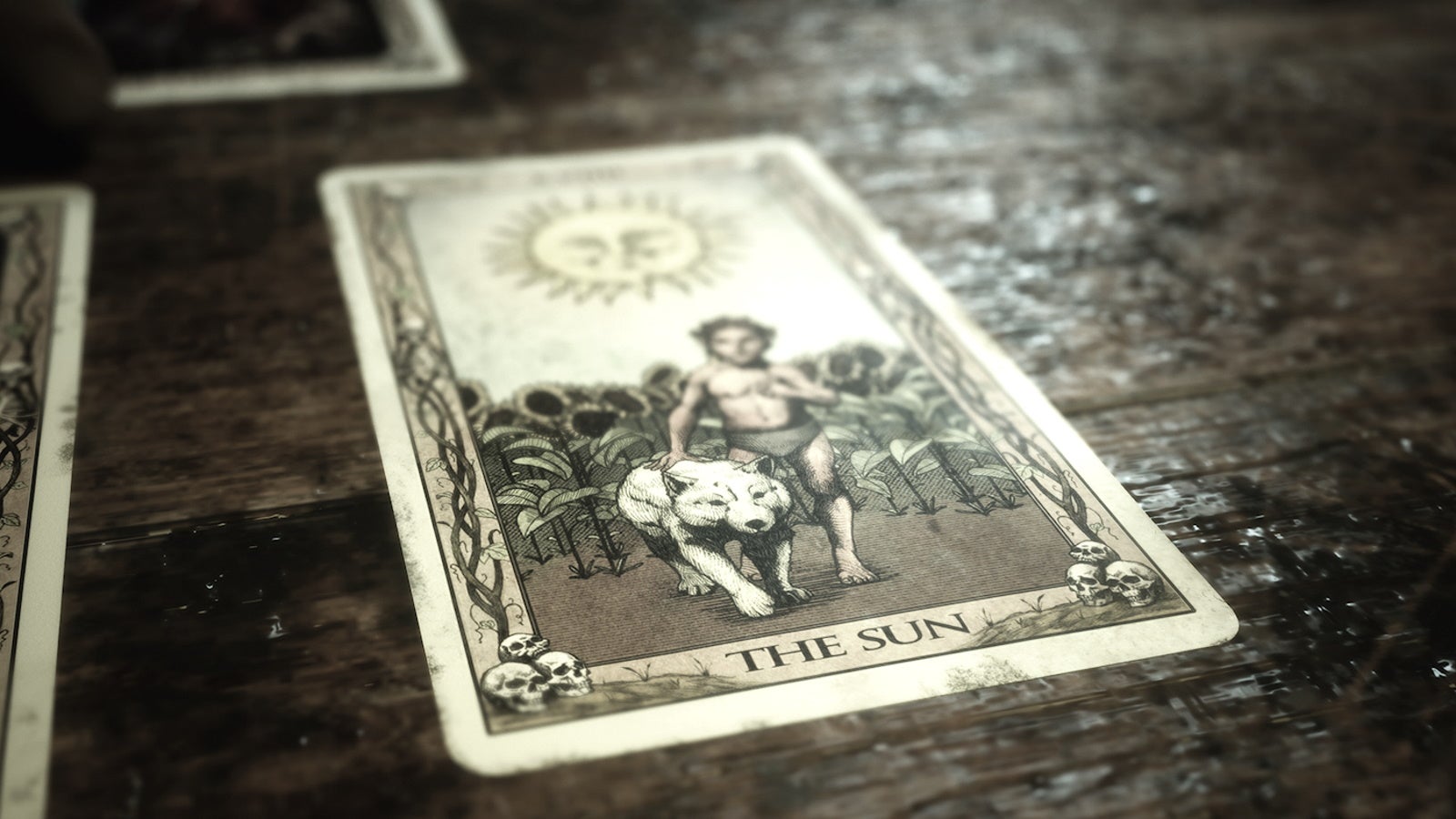
The Magician (I)
The Magician represents resourcefulness, power, and the ability to manifest one’s will. In the game, this card could foreshadow a character’s moment of ingenuity—perhaps using limited tools to survive or outsmart an antagonist. It’s a card of agency, suggesting that the player’s choices will directly influence the outcome. A character who draws The Magician might be on the verge of a breakthrough, whether in solving a mystery or escaping a dire situation.
The High Priestess (II)
The High Priestess is all about intuition, hidden knowledge, and the subconscious. In The Quarry, this card often appears when a character must trust their gut or uncover a secret. It might signal a dream sequence, a cryptic clue, or an internal conflict where logic clashes with instinct. For example, a character who dismisses their intuition early on could later draw The High Priestess, realizing they ignored a vital warning.
The Tower (XVI)
The Tower is one of the most dramatic cards, symbolizing sudden upheaval, revelation, and destruction of illusions. In the game, this card often marks a turning point where a character’s worldview collapses—literally or metaphorically. It could be the moment a safe haven is compromised, a betrayal is exposed, or a long-held belief is shattered. The chaos of The Tower is unsettling, but it’s also a catalyst for growth, forcing characters to rebuild from the ground up.
Minor Arcana: The Nuances of Everyday Choices
While the Major Arcana cards drive the overarching narrative, the Minor Arcana cards add depth to the game’s day-to-day mechanics. These cards reflect the smaller, yet equally significant, choices that shape the story. Divided into four suits—Cups, Swords, Wands, and Pentacles—the Minor Arcana cards explore emotions, conflicts, actions, and material concerns. Here’s how they might manifest in The Quarry:
Cups: Emotions and Relationships
The Cups suit deals with love, friendship, and emotional turmoil. Cards like The Three of Cups could represent a moment of camaraderie among characters, while The Five of Cups might highlight regret or loss. For instance, a character who draws The Five of Cups could be fixated on a past mistake, making it harder for them to move forward. The game uses these cards to explore the complexities of human connection, showing how emotions can either unite or divide the group.
Swords: Conflict and Intellect
The Swords suit is associated with the mind—conflict, communication, and clarity. Cards like The Ace of Swords might signal a breakthrough in solving a puzzle or uncovering a truth, while The Ten of Swords could foreshadow betrayal or defeat. A character who draws The Two of Swords might be paralyzed by indecision, unable to choose between two equally unappealing options. These cards often reflect the mental and verbal battles characters face, whether with each other or within themselves.
Wands: Passion and Action
Wands represent energy, creativity, and ambition. In The Quarry, this suit could manifest as a character’s drive to survive or their willingness to take risks. The Knight of Wands might appear when a character acts impulsively, while The Eight of Wands could indicate a rapid sequence of events—perhaps a chase or a revelation that unfolds in quick succession. These cards encourage players to embrace their instincts and take bold actions, even when the outcome is uncertain.
Pentacles: Material Concerns and Practicality
The Pentacles suit focuses on the physical world—money, health, and resources. Cards like The Four of Pentacles could represent a character’s reluctance to share supplies, while The Six of Pentacles might highlight generosity or charity. In the game, these cards often tie into survival mechanics, such as finding food, securing shelter, or managing limited resources. They remind players that even in a supernatural setting, the mundane concerns of life still matter.
How Tarot Cards Influence Character Arcs
The tarot in The Quarry isn’t just a storytelling tool—it’s a mirror for the characters’ inner lives. Each card a character draws reflects their fears, desires, and growth. For example, a character who consistently draws The Hermit might be isolating themselves, while another who draws The Chariot could be on the verge of taking control of their destiny. The game uses these cards to create a dynamic where players feel invested in their characters’ journeys, as the tarot becomes a tangible representation of their emotional and psychological states.
Some characters might resist the tarot’s influence, believing it’s just a game mechanic, only to later realize its prophetic power. Others might lean into the cards, using them as a guide—only to find that their interpretations lead them astray. This duality reinforces the game’s themes of perception versus reality, where the tarot acts as both a compass and a trickster.
Interpreting Tarot Cards in Real-Time: A Player’s Guide
Playing The Quarry with the tarot in mind adds a layer of strategy and immersion. Here’s how to approach the cards as you play:
- Pay attention to patterns: If a character keeps drawing The Moon, it might indicate deception or hidden truths surrounding them. Conversely, frequent The Star draws could signal hope or divine intervention.
- Consider the context: A card’s meaning can shift based on the situation. The Devil might represent temptation in one scenario but bondage in another. Think about how the card’s symbolism applies to the current events in the game.
- Use the cards to inform choices: If a character draws The Hanged Man, it could be a sign to pause and reassess their approach. Maybe they need to sacrifice something to progress, or perhaps they’re being forced into a new perspective.
- Embrace ambiguity: Not every card will have a clear answer. Sometimes, the tarot’s role is to create tension, leaving players to wonder about the “what ifs” long after the game ends.
Conclusion
The tarot in The Quarry is far more than a gimmick—it’s the heartbeat of the game’s narrative and a reflection of its characters’ souls. By understanding the cards’ meanings, players can uncover deeper layers of the story, anticipate key moments, and appreciate the intricate ways fate and free will collide. Whether it’s the dramatic shifts of the Major Arcana or the subtle influences of the Minor Arcana, each card plays a role in shaping the game’s haunting and unpredictable journey.
As you play, let the tarot guide you, but don’t forget to question it. After all, in The Quarry, the cards don’t just predict the future—they help create it. And sometimes, the most important revelations come not from the cards themselves, but from the choices you make in response to them.
FAQ
What is the significance of tarot cards in The Quarry?
In The Quarry, tarot cards serve as a narrative device that influences character arcs and player decisions, representing themes of choice and consequence.
How do Major Arcana cards affect gameplay?
Major Arcana cards mark pivotal moments in the story, often indicating significant transformations or shifts in character perspectives.
What do Minor Arcana cards represent?
Minor Arcana cards reflect everyday choices and emotions, adding depth to the game’s mechanics and character interactions.
Leave a Reply