Short Answer
Welcome to a deep exploration of one of the most misunderstood cards in the Tarot deck: The Death Tarot Card. Often shrouded in fear and misconception, this Major Arcana card carries profound symbolism that transcends its ominous name. In this guide, you’ll uncover the true meaning behind The Death card, addressing common misconceptions while revealing why it continues to captivate and intrigue seekers of wisdom. By the end, you’ll understand how this card isn’t about literal demise but about transformation, rebirth, and the natural cycles of life.
The Death Tarot Card: More Than Meets the Eye
The Death Tarot Card, numbered XIII in the Major Arcana, is frequently met with apprehension due to its name and skeletal imagery. However, its essence is far removed from physical death. Instead, it symbolizes metamorphosis, transition, and the end of one phase to make way for another. This card represents the inevitability of change and the necessity of letting go of outdated aspects of life to embrace growth. Whether in love, career, or personal development, The Death card signals a period where old patterns must dissolve to allow renewal.
In many Tarot decks, the imagery reinforces this theme. A skeletal figure, often clad in armor adorned with black roses, rides a white horse—a stark contrast symbolizing purity amid transformation. The horse’s movement suggests forward progress, while the fallen figures in its path represent the shedding of the past. This visual narrative underscores that The Death card is not an ending but a catalyst for evolution.
Common Misconceptions and Why They Persist
One of the most pervasive myths about The Death card is that it foretells literal death or tragedy. This misconception arises from its name and the card’s dramatic imagery, which can evoke primal fears. However, in Tarot readings, The Death card rarely signifies physical demise. Instead, it points to metaphorical endings—such as the conclusion of a relationship, the closure of a career chapter, or the release of limiting beliefs. The persistence of this fear highlights humanity’s discomfort with change, even when it’s necessary for progress.
Another layer of misunderstanding stems from cultural and religious associations with death as a final, irreversible event. Tarot, however, operates on a cyclical view of life, where endings are merely preludes to new beginnings. The Death card challenges the linear perception of time, urging individuals to recognize that transformation is a natural and recurring process. This perspective can be liberating, as it reframes fear into anticipation for what’s to come.
The Symbolism of The Death Card: A Closer Look
The rich symbolism of The Death card offers layers of meaning that reveal its true purpose. The skeletal figure, often holding a black banner with a white rose, embodies the paradox of destruction and creation. The white rose, a symbol of purity and spiritual awakening, suggests that even in decay, there is potential for enlightenment. The black banner represents the unknown, the space between what was and what will be—a liminal phase where old identities dissolve.
The rising sun in the background of many depictions signifies hope and rebirth, reinforcing the idea that The Death card is not an endpoint but a transition. The armored figure on the white horse further emphasizes that this change is not passive; it requires courage and active participation. The fallen figures at the horse’s feet—often kings, bishops, and common folk—symbolize the universality of change, affecting all strata of life equally. This imagery serves as a reminder that transformation is democratic, sparing no one and benefiting all in the long run.
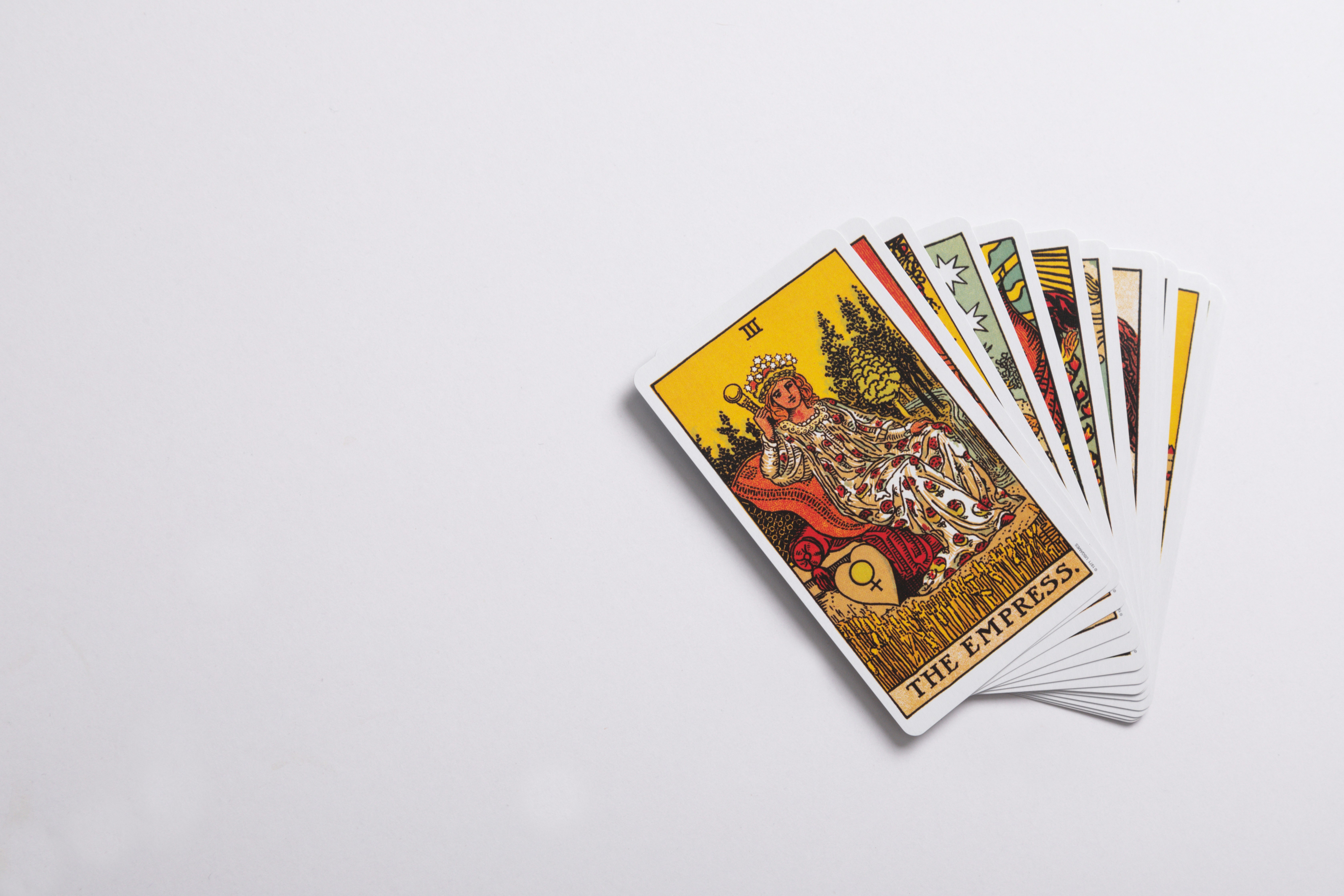
When The Death Card Appears in a Reading
In a Tarot spread, The Death card’s appearance can indicate several scenarios, all centered around change. If it appears in the past position, it may suggest that a significant transformation has already occurred, laying the groundwork for current circumstances. In the present position, it signals a period of upheaval or transition, urging the querent to embrace the inevitable shifts ahead. When it appears in the future position, it often heralds a major life change on the horizon, encouraging preparation and openness to new possibilities.
For relationships, The Death card might indicate the end of a partnership that no longer serves either party, making space for healthier connections. In career readings, it could point to the need to leave a stagnant job or industry to pursue a more fulfilling path. Even in spiritual contexts, this card may signify a shedding of old dogmas or beliefs to embrace a more authentic understanding of oneself. The key takeaway is that The Death card, while challenging, is a harbinger of positive evolution.
Why The Death Card Fascinates Us
The enduring fascination with The Death card lies in its ability to confront one of humanity’s deepest fears: the unknown. Death, in its many forms, is a universal experience, yet it remains shrouded in mystery. Tarot, as a tool for introspection, provides a framework to explore this fear without judgment. The Death card, in particular, offers a paradoxical comfort—it acknowledges the inevitability of change while assuring that such change is not only survivable but transformative.
This card also resonates because it mirrors the human experience of loss and renewal. Whether through personal growth, the end of a job, or the dissolution of a relationship, everyone encounters moments that feel like death. The Death card validates these experiences, framing them as necessary steps in the journey of life. Its popularity in Tarot readings speaks to a collective yearning for meaning amid chaos, and its message is clear: what appears to be an ending is often the beginning of something greater.
Conclusion
The Death Tarot Card is a powerful reminder that transformation is an integral part of the human experience. Far from foretelling doom, it invites us to release what no longer serves us and embrace the unknown with courage. Whether it appears in a reading or resonates with personal struggles, The Death card challenges us to see endings as opportunities for rebirth. By understanding its true meaning, we can navigate life’s transitions with greater clarity and acceptance, knowing that every phase, no matter how daunting, paves the way for growth. The next time you encounter this card, remember: it’s not a warning of death, but an invitation to rise anew.
FAQ
What does the Death Tarot Card represent?
The Death Tarot Card represents transformation, endings, and new beginnings, emphasizing that change is a natural part of life.
Is the Death card a negative omen?
No, the Death card is not a negative omen; it signifies necessary endings that lead to new beginnings.
How should one approach the Death card in a reading?
One should approach the Death card with an open mind, viewing it as an opportunity for growth and transformation.
Leave a Reply