Short Answer
Have you ever wondered what tarot truly offers beyond its mystical allure? Is it a tool for divination, a mirror for intuition, or a blend of both? In this guide, we’ll explore the real purpose of tarot, challenging conventional views and revealing how it can transform your perspective. Whether you’re a skeptic or a seasoned reader, prepare to uncover the deeper layers of this ancient practice.
The Dual Nature of Tarot: Divination and Intuition
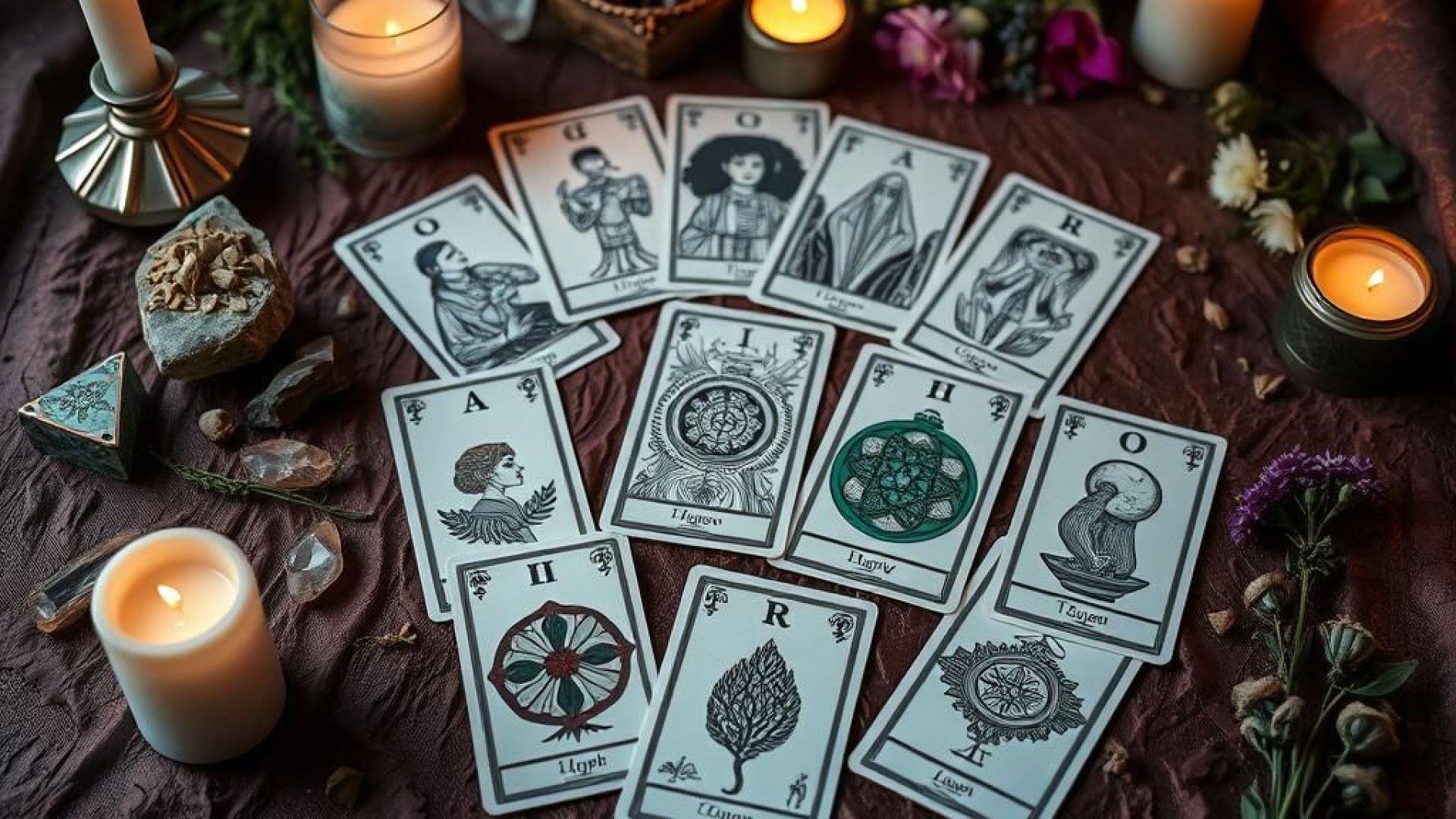
Tarot is often pigeonholed as a fortune-telling tool, but its essence runs far deeper. At its core, tarot serves two primary functions: divination and intuition. Divination refers to the practice of seeking insight into the unknown, while intuition taps into the subconscious mind’s ability to perceive beyond logical reasoning. The beauty of tarot lies in its duality—it bridges the gap between the mystical and the psychological.
When used for divination, tarot cards act as a symbolic language, offering glimpses into potential outcomes or hidden truths. The cards themselves don’t predict the future; instead, they reflect the energies and patterns surrounding a situation. This perspective shifts the focus from rigid predictions to a more fluid understanding of possibilities. On the other hand, tarot as a tool for intuition encourages self-reflection. The images and symbols on the cards act as triggers, prompting the reader to explore their inner thoughts and emotions. This dual approach makes tarot a versatile instrument for personal growth.
Beyond Fortune-Telling: Tarot as a Psychological Mirror
Many dismiss tarot as mere superstition, but its psychological benefits are undeniable. Carl Jung, the renowned psychologist, saw tarot as a way to access the collective unconscious—a reservoir of shared human experiences. By engaging with the cards, individuals can confront their fears, desires, and unresolved conflicts. This process fosters self-awareness and emotional healing.
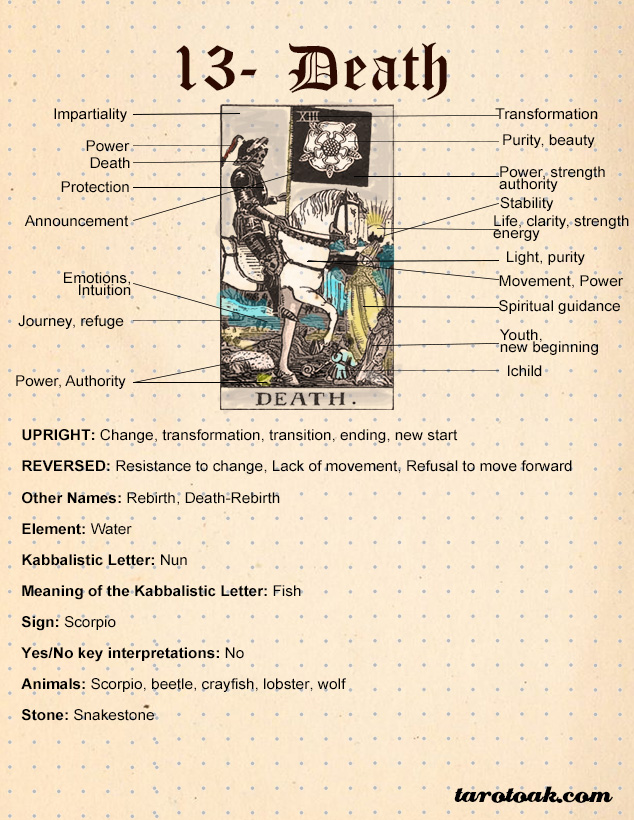
Consider the Major Arcana, a sequence of 22 cards that represent life’s archetypal themes. When drawn in a spread, these cards can highlight recurring patterns in one’s life, such as the struggle for independence (The Chariot) or the need for introspection (The Hermit). By recognizing these themes, individuals can make conscious choices rather than being ruled by unconscious impulses. Tarot, therefore, becomes a tool for empowerment rather than a crutch for dependency on external guidance.
The Role of Intuition in Tarot Reading
Intuition is the silent force that breathes life into a tarot reading. While divination provides structure, intuition infuses the process with personal meaning. A reader’s ability to interpret the cards isn’t just about memorizing their traditional meanings—it’s about tuning into the subtle messages the cards convey. This is where the magic happens: the cards become a canvas for the reader’s subconscious insights.
For example, a card like The Moon often signifies illusion or confusion. A reader relying solely on divination might interpret this as a warning to proceed with caution. However, someone attuned to their intuition might sense a deeper message about trusting their instincts despite uncertainty. This interplay between structure and spontaneity is what makes tarot readings uniquely personal. It’s not about what the cards say, but what they mean to you.

Tarot as a Tool for Decision-Making and Clarity
One of the most practical applications of tarot is its ability to provide clarity in decision-making. Life’s crossroads often leave us paralyzed by overanalysis or fear of the unknown. Tarot cuts through the noise by presenting a visual representation of the energies at play. It doesn’t make decisions for you, but it illuminates the consequences of each choice, helping you weigh your options more objectively.
For instance, a career-related spread might reveal that a new job opportunity aligns with your long-term goals (The Star) but also carries risks (The Tower). This duality encourages you to consider both the rewards and the potential upheavals before committing. Tarot, in this sense, acts as a compass, guiding you toward choices that resonate with your true self rather than external pressures.
The Misconceptions Surrounding Tarot
Despite its growing popularity, tarot is still shrouded in misconceptions. Some believe it’s a tool for the occult, while others see it as a parlor game with no real substance. These myths stem from a lack of understanding about tarot’s origins and purposes. Historically, tarot was used as a card game in 15th-century Europe before evolving into a divination tool. Its modern applications extend far beyond prediction, encompassing psychology, art, and spirituality.
Another common misconception is that tarot readings are deterministic—that the cards dictate an unchangeable future. In reality, tarot is a reflection of the present moment and the energies surrounding a situation. It’s a snapshot, not a prophecy. This realization shifts the focus from fear of the unknown to proactive engagement with life’s possibilities.
How to Develop Your Tarot Practice for Deeper Insights
If you’re new to tarot, starting with a deck that resonates with you is key. The Rider-Waite-Smith deck is a popular choice for beginners due to its rich symbolism and accessibility. Begin by familiarizing yourself with the cards’ traditional meanings, but don’t stop there. Keep a journal to record your interpretations and any intuitive hits you experience during readings. Over time, you’ll develop a personal connection to the cards that transcends their textbook definitions.
Practice is essential, but so is patience. Tarot isn’t about getting it “right” every time—it’s about the journey of self-discovery. Experiment with different spreads, such as the Celtic Cross for comprehensive insights or a simple three-card spread for quick guidance. The more you engage with the cards, the more attuned you’ll become to their subtle messages.

Conclusion
Tarot is far more than a tool for divination—it’s a gateway to self-awareness, intuition, and empowerment. By embracing both its mystical and psychological dimensions, you unlock a deeper understanding of yourself and the world around you. Whether you seek guidance, clarity, or simply a new perspective, tarot offers a unique lens through which to explore life’s complexities. The real purpose of tarot isn’t to predict the future, but to illuminate the present, helping you navigate your path with confidence and curiosity.
FAQ
What is the main purpose of tarot?
The main purpose of tarot is to serve as a tool for both divination and intuition, providing insights into personal situations and enhancing self-reflection.
How can tarot be used for decision-making?
Tarot can clarify choices by illuminating the energies and potential outcomes of different paths, allowing individuals to make informed decisions.
Is tarot just about fortune-telling?
No, tarot encompasses psychological and spiritual dimensions, promoting self-awareness and personal growth beyond mere predictions.
Leave a Reply