Short Answer
Embark on a journey through the lush, symbolic landscape of The Tree Tarot – Growth & Roots, where ancient wisdom meets modern insight. This guide will explore the profound metaphor of trees in tarot, revealing how their roots, trunks, and branches mirror the cycles of life, personal growth, and spiritual evolution. You’ll discover the unique appeal of tree-inspired tarot decks, the significance of arboreal symbolism in readings, and how these elements can deepen your understanding of the Major and Minor Arcana. Whether you’re a seasoned reader or a curious seeker, this exploration will connect you to the timeless language of nature and divination.
The Symbolism of Trees in Tarot: A Living Metaphor
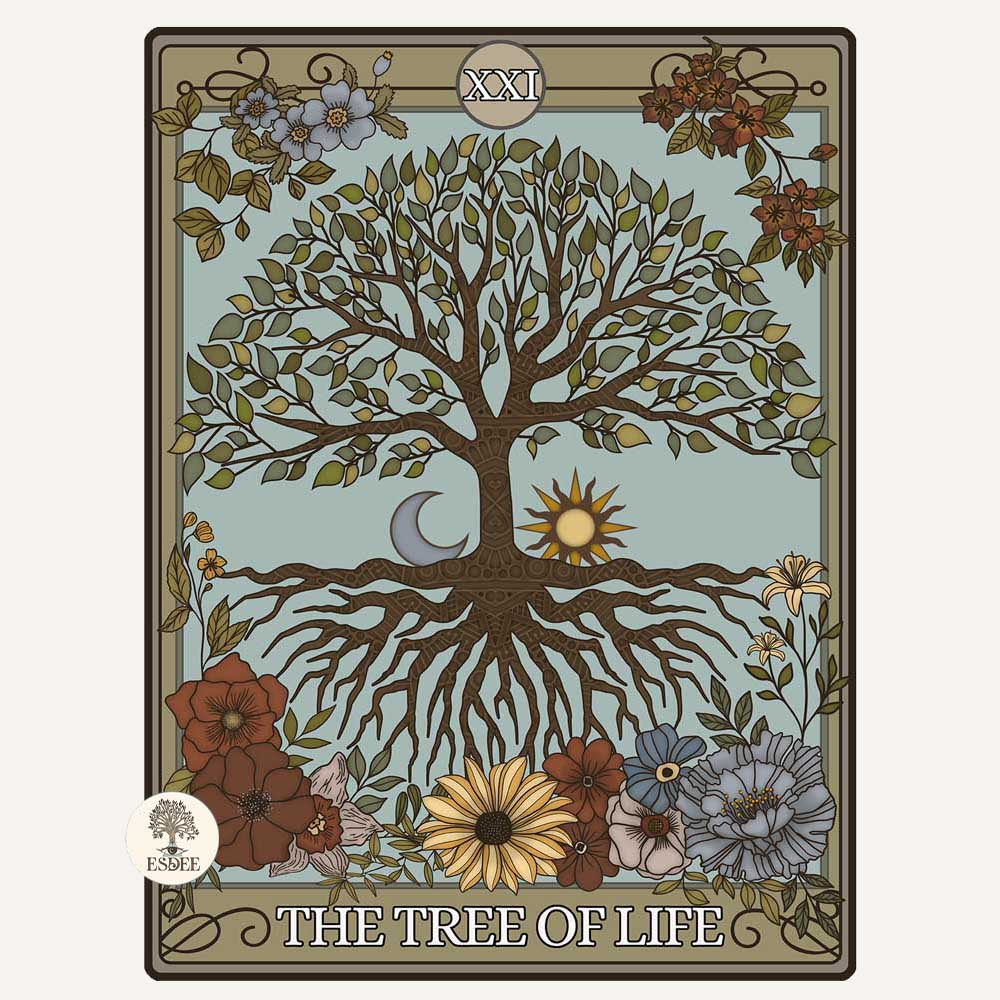
Trees have long been revered as symbols of life, stability, and interconnectedness across cultures and spiritual traditions. In tarot, they serve as a powerful metaphor for the human experience, embodying growth, resilience, and the cyclical nature of existence. The roots of a tree, hidden beneath the soil, represent our subconscious mind, ancestral ties, and the foundational experiences that shape our identity. The trunk symbolizes strength, stability, and the journey of personal development, while the branches reaching toward the sky mirror our aspirations, dreams, and spiritual aspirations.
This arboreal symbolism is deeply embedded in tarot’s Major Arcana, particularly in cards like The Empress (often associated with nurturing and abundance) and The Hierophant (representing tradition and wisdom). Even the Fool’s journey can be seen as a sapling growing into a mighty oak, its path marked by trials, learning, and eventual mastery. By interpreting tarot through the lens of trees, readers gain a richer, more intuitive understanding of their spreads, tapping into the primal energy of nature itself.
The Tree of Life in Tarot: Bridging Kabbalah and Divination
The Tree of Life, a central concept in Kabbalah, is a diagram of ten interconnected spheres (Sefirot) that represent the divine emanations of God. In tarot, this structure finds a parallel in the Major Arcana, where each card corresponds to a specific Sefirah, illustrating the path of spiritual ascent. For example, The Magician aligns with Keter (the crown), symbolizing pure potential, while Death resonates with Geburah (severity), representing transformation and rebirth. This fusion of tarot and the Tree of Life creates a dynamic framework for understanding the universe’s hidden patterns and our place within it.
Tarot decks that incorporate the Tree of Life, such as those inspired by the Thoth deck, often feature intricate diagrams or symbolic overlays that highlight these connections. Readers can use this framework to explore themes of balance, harmony, and divine order in their readings. The Tree of Life also serves as a reminder of our interconnectedness—just as the branches of a tree share nutrients through their roots, so too are we linked to the collective consciousness of humanity. This perspective encourages a holistic approach to divination, where personal growth is seen as part of a larger, cosmic tapestry.

Tree-Inspired Tarot Decks: Unique Artistry and Themes
One of the most captivating aspects of tree-themed tarot is the diversity of artistic interpretations. Decks like Tarot of the Trees or Wild Unknown Tarot draw directly from the natural world, using intricate illustrations of forests, roots, and foliage to convey tarot’s messages. These decks often emphasize themes of grounding, intuition, and the cyclical nature of life, making them particularly appealing to those who feel a deep connection to nature. The use of earthy tones, organic textures, and symbolic imagery creates a meditative reading experience, where each card feels like a leaf from the great book of life.
Other decks, such as the Ostara Tarot or Green Witch Tarot, incorporate trees as central motifs, weaving them into the narrative of the Major and Minor Arcana. For instance, the Hermit card might depict an elderly figure standing beneath an ancient oak, lantern in hand, symbolizing introspection and inner wisdom. These decks often include guidebooks that delve into the botanical and mythological significance of each tree, adding layers of meaning to the readings. Whether you’re drawn to the stark beauty of a winter forest or the vibrant energy of a spring grove, tree-inspired tarot decks offer a visual and emotional richness that transcends traditional imagery.
Practical Applications: Using Tree Symbolism in Readings
Incorporating tree symbolism into tarot readings can add depth and nuance to your interpretations. Start by identifying the cards that resonate with arboreal themes, such as The Empress (fertility, growth), Eight of Pentacles (diligence, craftsmanship), or Judgement (rebirth, awakening). Pay attention to the position of these cards in a spread—are they rooted in the past, growing in the present, or reaching toward the future? This can provide insight into the querent’s current life phase and potential paths forward.
You can also use tree-based spreads to explore specific questions. For example, a “Root Spread” might focus on foundational issues, with positions representing ancestry, early influences, and subconscious patterns. A “Canopy Spread” could examine aspirations, relationships, and spiritual growth. Additionally, consider drawing a single card each day and reflecting on its connection to a tree—does it feel like a seedling (new beginnings), a sturdy oak (strength), or a falling leaf (release)? This practice can deepen your intuitive connection to the cards and the natural world.
Conclusion
The Tree Tarot – Growth & Roots offers a transformative lens through which to view divination, blending the ancient wisdom of trees with the timeless art of tarot. By exploring the symbolism of roots, trunks, and branches, readers can uncover deeper layers of meaning in their spreads, connecting personal journeys to the universal cycles of life. Whether through the structured framework of the Tree of Life or the organic beauty of tree-inspired decks, this approach invites a sense of grounding, growth, and interconnectedness. As you delve into the arboreal world of tarot, remember that every reading is a seed planted—nurture it with curiosity, and watch as it grows into wisdom.
FAQ
What is the significance of trees in tarot?
Trees symbolize life, stability, and interconnectedness, representing growth, resilience, and the cycles of existence in tarot.
How can tree symbolism enhance tarot readings?
Incorporating tree symbolism can deepen interpretations by connecting cards to themes of personal growth and the natural world.
What are some examples of tree-inspired tarot decks?
Examples include the Tarot of the Trees and Wild Unknown Tarot, which feature nature-inspired artwork and themes.
Leave a Reply