Short Answer
Welcome to this comprehensive guide on The Waiting Game and The Wand, where we explore how these works promise a transformative shift in perspective and ignite curiosity. Whether you’re encountering these titles for the first time or seeking deeper insights, this article will unpack their themes, significance, and the unique experiences they offer. By the end, you’ll understand why these works stand out and how they challenge conventional narratives.
The Waiting Game: A Study in Patience and Transformation
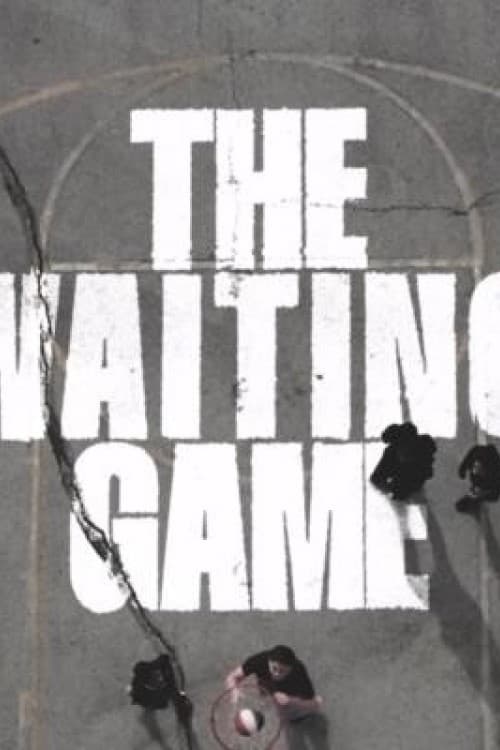
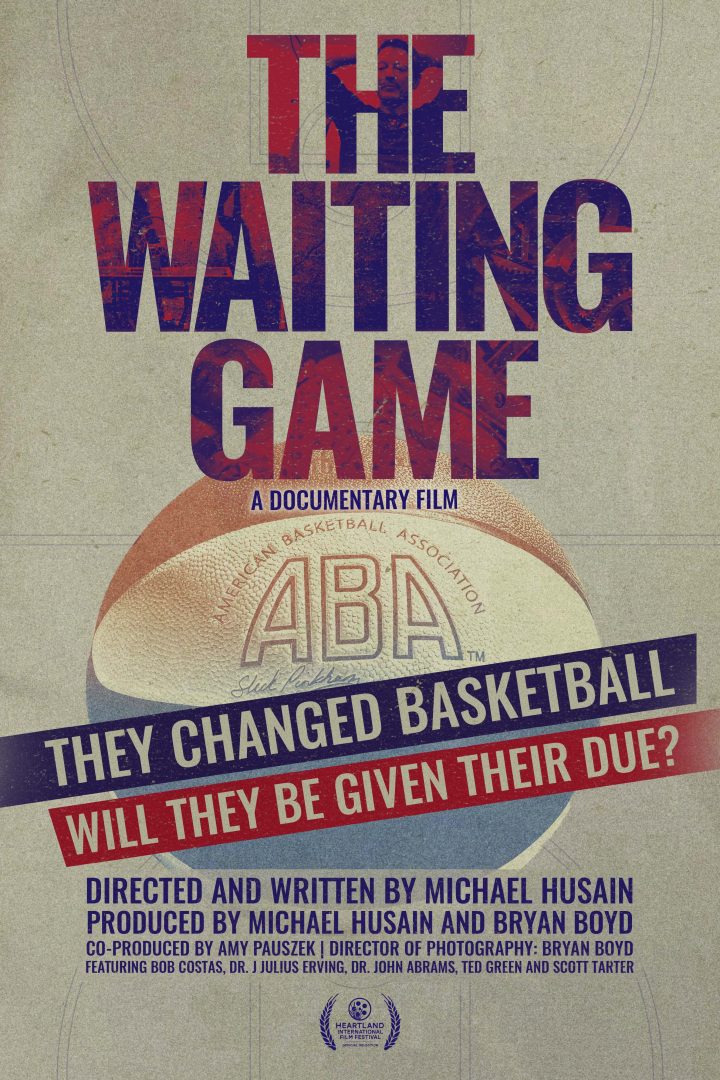
The Waiting Game is more than just a title—it’s an invitation to reconsider the role of waiting in our lives. At its core, the work explores the concept of anticipation, not as a passive state, but as an active force that reshapes our understanding of time and purpose. The narrative, whether in its cinematic, digital, or theatrical form, delves into the psychological and emotional dimensions of waiting, portraying it as a crucible for personal growth.
The visual and thematic elements of The Waiting Game are designed to evoke a sense of suspended animation. Characters and players are often placed in scenarios where time feels both endless and fleeting, mirroring the human experience of waiting for outcomes that are beyond our control. This deliberate pacing serves a purpose: it forces the audience to confront their own impatience and, in doing so, discover new layers of resilience and adaptability.
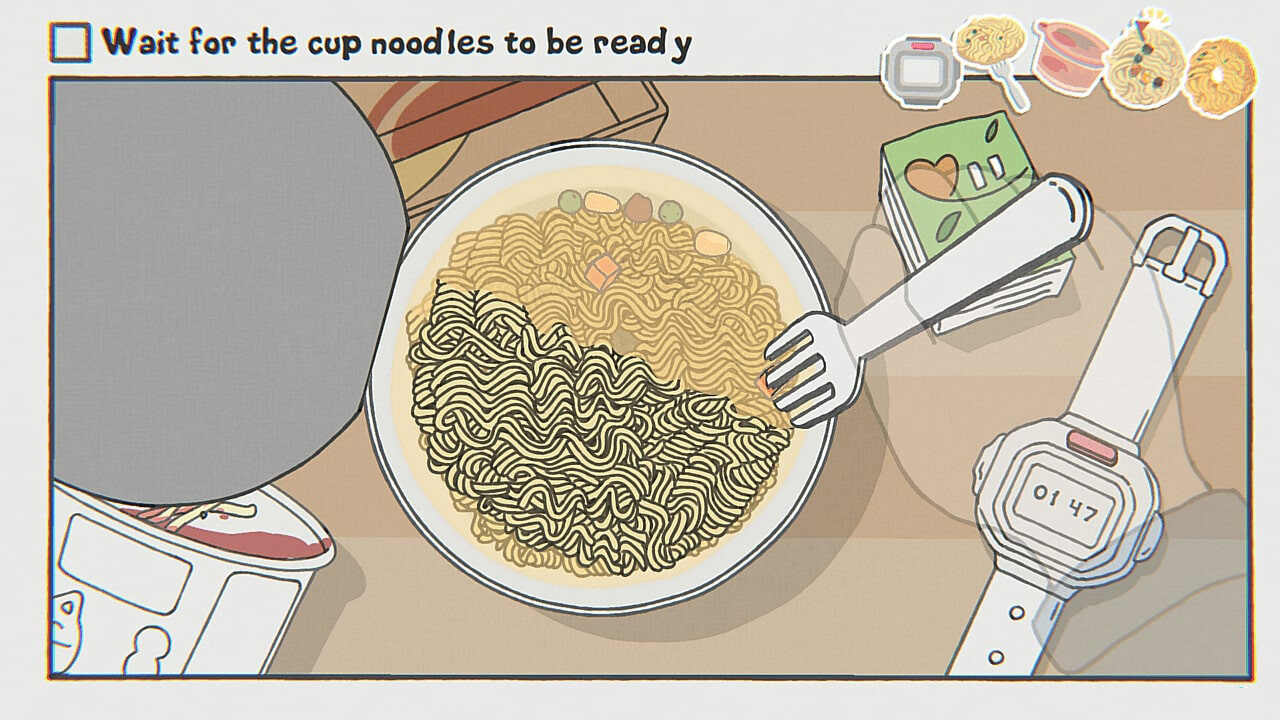
The digital adaptation of The Waiting Game takes this theme further by integrating gameplay mechanics that require players to wait strategically. Unlike traditional games that reward immediate action, this version emphasizes the importance of timing, teaching players that some rewards are only attainable through patience. This mechanic isn’t just a gimmick—it’s a metaphor for life’s most rewarding moments, which often require us to pause and reflect before taking the next step.
The Wand: A Tool for Redefining Possibilities
The Wand, often associated with The Waiting Game in thematic and narrative threads, serves as a symbolic and literal instrument of change. In many interpretations, the wand represents agency—the power to influence outcomes and reshape reality. However, its true significance lies not in its magical properties but in how it challenges the user’s perspective. The wand isn’t just a tool; it’s a mirror that reflects the user’s intentions, fears, and aspirations.
In the context of The Waiting Game, the wand becomes a metaphor for the tools we use to navigate uncertainty. Whether it’s a smartphone app, a game controller, or a creative outlet, these tools can either amplify our anxiety or help us find clarity. The narrative suggests that the wand’s power is only as potent as the mindset of the person wielding it. This duality is a central theme: the same object that can bring about transformation can also become a source of distraction if misused.
The visual representation of the wand in promotional materials often features sleek, minimalist designs that evoke a sense of modernity and precision. This aesthetic choice underscores the idea that the wand is not a relic of fantasy but a contemporary symbol of human ingenuity. It’s a reminder that we all possess the ability to “wave” our own wands—whether through technology, art, or personal resolve—to alter our trajectories.
Promises of a Shift in Perspective
Both The Waiting Game and The Wand are built on a promise: that by engaging with their narratives, audiences will experience a fundamental shift in how they view the world. This promise is rooted in the idea that perspective is not fixed—it’s a dynamic construct that can be reshaped through experience, reflection, and intention. The works achieve this shift through deliberate storytelling techniques that subvert expectations and encourage active participation.
For instance, The Waiting Game often employs nonlinear storytelling, where time is fluid and outcomes are uncertain. This approach forces the audience to adopt a more flexible mindset, one that embraces ambiguity rather than seeking definitive answers. Similarly, The Wand challenges the viewer to question the nature of control. Is the wand a tool of liberation or constraint? The answer depends on how the user chooses to engage with it, highlighting the importance of agency in shaping one’s reality.
This shift in perspective isn’t just intellectual—it’s emotional and psychological. The works tap into universal experiences, such as the fear of the unknown or the desire for control, and reframe them as opportunities for growth. By doing so, they invite the audience to see waiting not as a burden but as a necessary precursor to meaningful change. The wand, in turn, becomes a symbol of the power we hold to transform our circumstances, provided we’re willing to wield it with intention.
Piquing Curiosity: The Art of Engagement
Curiosity is the driving force behind The Waiting Game and The Wand. The creators of these works understand that the most compelling stories are those that leave room for interpretation, inviting the audience to fill in the blanks with their own experiences and questions. This approach ensures that the narrative remains dynamic, evolving with each viewer’s unique perspective.
The digital adaptation of The Waiting Game, for example, uses cryptic clues and hidden mechanics to encourage exploration. Players aren’t just passive recipients of a story; they’re active participants in uncovering its layers. This design philosophy extends to the visual and auditory elements as well, with subtle details that reward close attention. The result is an experience that feels personalized, as if the work was crafted specifically for the individual engaging with it.
The Wand employs a similar strategy, using symbolism and metaphor to spark curiosity. The wand itself is rarely depicted in a straightforward manner—instead, it’s often shown in fragments or through abstract representations. This ambiguity serves a purpose: it invites the audience to project their own meanings onto the object, making it a vessel for their hopes and fears. The more one engages with the work, the more layers they uncover, each one offering a new angle on the central themes.
Conclusion
The Waiting Game and The Wand are more than just titles—they are gateways to a deeper understanding of patience, agency, and perspective. Through their innovative storytelling and symbolic depth, these works challenge us to reconsider the role of waiting in our lives and the tools we use to navigate uncertainty. They promise not just entertainment, but transformation, urging us to see the world—and ourselves—in new ways.
Whether you encounter these works through film, theater, or interactive media, the experience is designed to linger. It’s an invitation to slow down, reflect, and ultimately, to embrace the power of perspective. In a world that often prioritizes speed and instant gratification, The Waiting Game and The Wand remind us that some of the most profound changes come from the quiet moments of waiting—and the intentional choices we make with the tools at our disposal.

Leave a Reply