Short Answer
Welcome to The World Upright – Fulfillment, your go-to resource for mastering the complexities of modern fulfillment strategies. Whether you’re a business owner, logistics professional, or simply curious about how products move from warehouses to customers, this guide will equip you with the knowledge to navigate the evolving landscape of fulfillment. You’ll discover the core principles of fulfillment centers, explore key performance indicators (KPIs) that drive efficiency, and uncover the top companies leading the industry in the Philippines and beyond. By the end, you’ll have a clear understanding of how to optimize your fulfillment operations for global success.
Understanding Fulfillment Centers: The Backbone of Modern Logistics
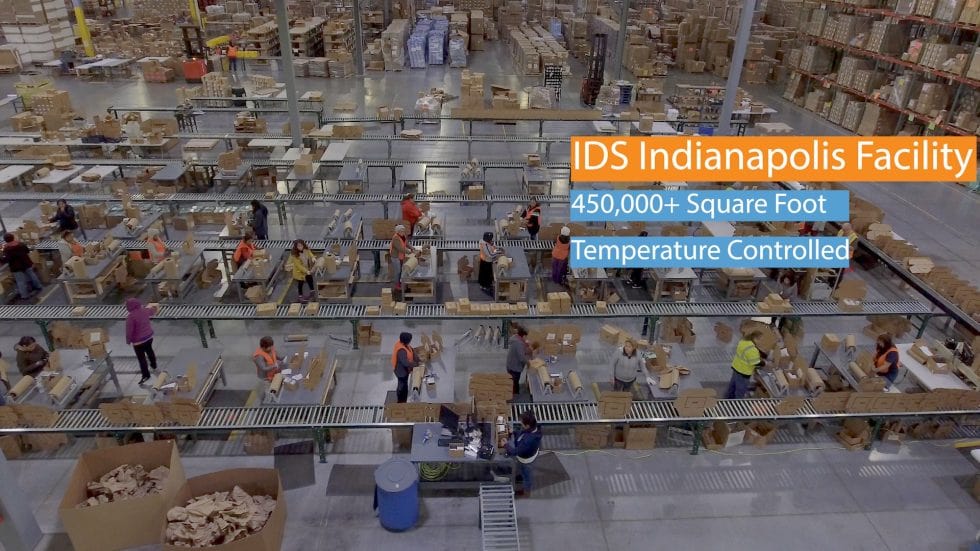
Fulfillment centers are the heart of any supply chain, acting as the central hub where orders are processed, packed, and shipped to customers. Unlike traditional warehouses that primarily store inventory, fulfillment centers are designed for speed and efficiency, ensuring that products reach consumers as quickly as possible. These facilities leverage advanced technology, such as automated sorting systems and real-time inventory tracking, to streamline operations. For businesses operating in a global landscape, fulfillment centers provide the flexibility to scale operations up or down based on demand, making them indispensable in today’s fast-paced market. Whether you’re a small e-commerce store or a multinational corporation, understanding how fulfillment centers work is the first step toward optimizing your supply chain.

Key Order Fulfillment KPIs: Measuring Success in a Competitive Market
To ensure your fulfillment operations are running smoothly, it’s essential to track key performance indicators (KPIs) that reflect efficiency, accuracy, and customer satisfaction. Four of the most critical KPIs include order accuracy, which measures the percentage of orders shipped without errors; order cycle time, which tracks the average time from order placement to delivery; inventory turnover, which indicates how quickly stock is sold and replaced; and shipping cost per order, which helps identify areas where expenses can be reduced. By monitoring these metrics, businesses can pinpoint inefficiencies, improve processes, and ultimately enhance the customer experience. For example, a high order accuracy rate reduces returns and boosts customer loyalty, while a low cycle time ensures faster deliveries, giving your business a competitive edge.
Top 10 Fulfillment Companies in the Philippines: Leaders in Efficiency and Innovation
The Philippines has emerged as a key player in the global fulfillment industry, thanks to its strategic location, skilled workforce, and robust infrastructure. The top fulfillment companies in the country offer a range of services, from warehousing and inventory management to last-mile delivery and returns processing. These companies leverage cutting-edge technology, such as AI-driven demand forecasting and automated picking systems, to deliver unparalleled efficiency. For businesses looking to expand into Southeast Asia, partnering with a local fulfillment provider can significantly reduce shipping times and costs. Some of the leading names in the industry include Locad, which specializes in e-commerce fulfillment, and other providers known for their scalability and customer-centric approach. By choosing the right partner, businesses can ensure seamless operations and a superior customer experience.

Strategies for Optimizing Fulfillment in a Global Landscape
In today’s interconnected world, businesses must adopt strategies that adapt to the complexities of global supply chains. One effective approach is to implement a multi-warehouse strategy, where inventory is strategically distributed across multiple locations to reduce shipping times and costs. Another key strategy is to invest in automation, such as robotic picking systems and autonomous mobile robots (AMRs), which can significantly increase throughput and accuracy. Additionally, businesses should prioritize sustainability by adopting eco-friendly packaging and optimizing delivery routes to reduce carbon emissions. For companies operating in regions with high demand volatility, flexible fulfillment solutions, such as on-demand warehousing, can provide the agility needed to scale operations up or down as needed. By staying ahead of industry trends and leveraging the right technologies, businesses can future-proof their fulfillment operations and thrive in a competitive market.
Conclusion
Fulfillment is no longer just about moving products from point A to point B—it’s about creating a seamless, efficient, and customer-centric experience that drives growth and loyalty. From understanding the role of fulfillment centers to tracking critical KPIs and partnering with top providers in the Philippines, this guide has covered the essential aspects of modern fulfillment strategies. By implementing the strategies and best practices discussed here, businesses can enhance their operations, reduce costs, and deliver exceptional service to customers worldwide. The future of fulfillment is dynamic, and those who adapt will be well-positioned to succeed in the ever-evolving global marketplace.
FAQ
What are fulfillment centers?
Fulfillment centers are facilities that handle the processing, packing, and shipping of orders for businesses, ensuring quick delivery to customers.
What are key performance indicators (KPIs) for fulfillment?
Key KPIs include order accuracy, order cycle time, inventory turnover, and shipping cost per order, which help measure the efficiency of fulfillment operations.

Leave a Reply