Short Answer
Tarot cards are more than just beautiful illustrations—they are a visual language rich with symbols that carry deep meanings. Whether you’re a seasoned reader or a curious beginner, understanding these symbols can unlock profound insights into your readings. In this guide, we’ll explore the significance of tarot symbols, their historical roots, and how they shape the messages within each card. By the end, you’ll see why these symbols appear for a reason and how they can enhance your tarot practice.
The Power of Symbolism in Tarot
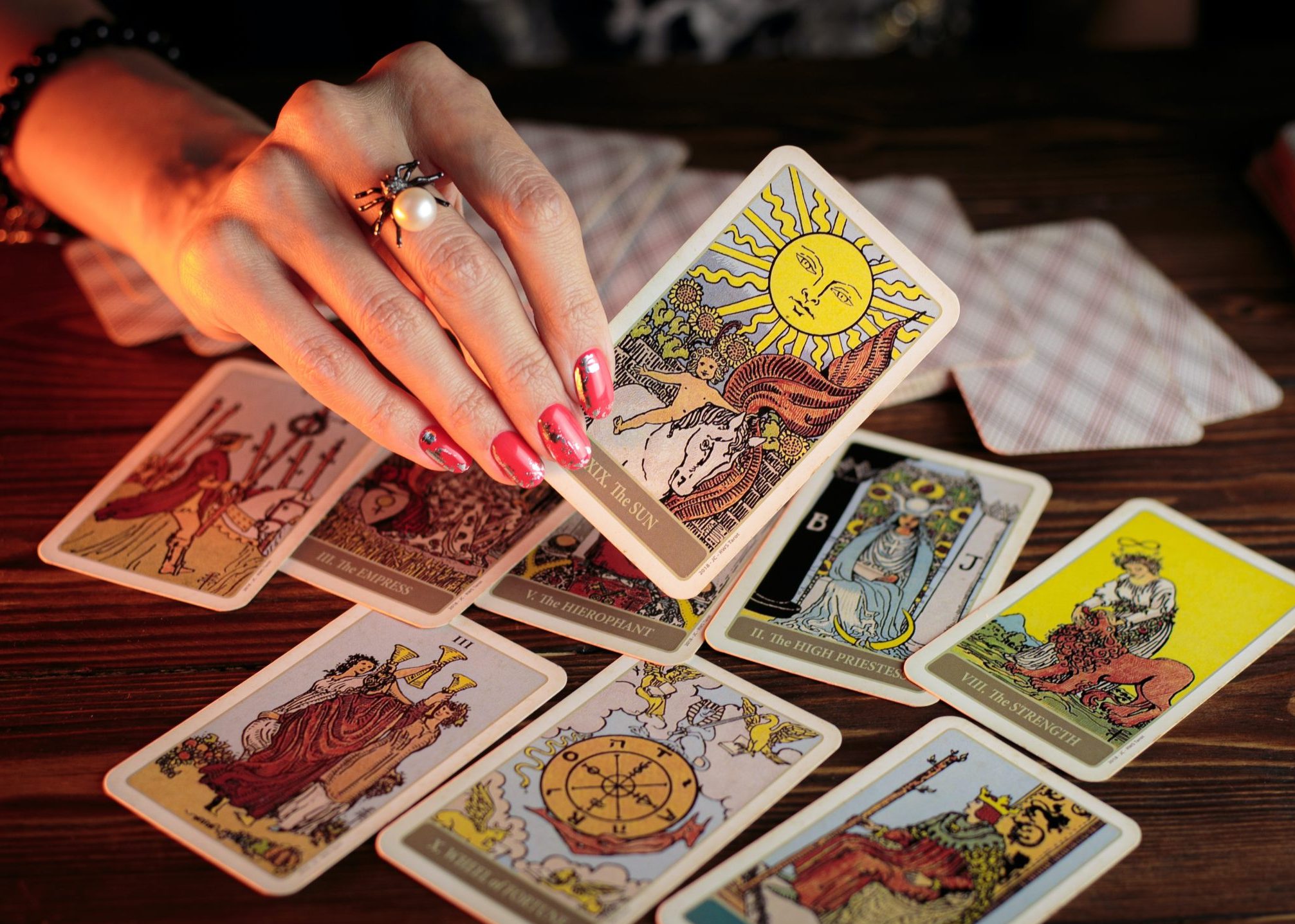
Tarot cards are a tapestry of symbols, each carefully chosen to convey specific ideas, emotions, and spiritual lessons. These symbols act as bridges between the conscious and subconscious mind, allowing intuitive messages to surface during readings. From the colors and numbers to the figures and objects depicted, every element in a tarot card has a purpose. For instance, the number “3” often represents growth or harmony, while a crown may symbolize authority or divine connection. By learning to interpret these symbols, you can deepen your understanding of the cards and the guidance they offer.
Symbols in tarot are not arbitrary; they are rooted in centuries of tradition, mythology, and esoteric wisdom. Many tarot decks draw from the Rider-Waite-Smith tradition, which incorporates symbols from alchemy, astrology, and the Kabbalah. This layered approach means that a single card can hold multiple meanings depending on the symbols present. For example, the High Priestess card features a crescent moon, a veil, and a book, each hinting at intuition, hidden knowledge, and the subconscious mind. Recognizing these symbols helps you decode the card’s message more accurately.
Common Tarot Symbols and Their Meanings
Tarot decks are filled with recurring symbols that appear across different cards. Here are some of the most common ones and what they typically represent:
Arrows and Swords
Arrows and swords are symbols of action, conflict, or decisive change. In the Suit of Swords, these elements often indicate mental clarity, challenges, or the need to cut through illusions. An upward-pointing arrow might suggest progress or ambition, while a downward arrow could warn of setbacks or a need to reassess a situation. The presence of swords in a reading often points to the need for honest communication or a confrontation with truth.
Cups and Chalices
Cups and chalices represent emotions, relationships, and intuition. They are central to the Suit of Cups, which deals with matters of the heart, love, and creativity. A cup overflowing with water may symbolize abundance or emotional fulfillment, while an empty cup could indicate unmet needs or emotional depletion. In many decks, the chalice is also associated with the Holy Grail, representing spiritual nourishment and divine grace.
Wands and Staffs
Wands are symbols of energy, passion, and inspiration. They appear in the Suit of Wands, which governs ambition, creativity, and personal growth. A wand held by a figure often suggests a spark of inspiration or a call to action. The number of wands can also carry meaning—for example, three wands might indicate foresight or planning, while eight wands could signify rapid movement or swift changes. Wands are deeply connected to the element of fire, representing drive and transformation.
Pentacles and Coins
Pentacles symbolize material wealth, stability, and practical matters. They are the domain of the Suit of Pentacles, which covers finances, career, and physical well-being. A pentacle often features a five-pointed star, representing the connection between the spiritual and material worlds. In a reading, pentacles can indicate financial opportunities, hard work paying off, or the need to ground oneself in reality. The presence of pentacles may also suggest a focus on health, home, or long-term security.
Animals and Mythical Creatures
Animals in tarot cards carry symbolic weight, often representing instincts, traits, or spiritual guides. For example, the lion in Strength is a metaphor for inner courage and mastery over primal emotions. Birds, such as the dove in the Two of Cups, symbolize peace, love, or messages from the divine. Mythical creatures like the sphinx or the unicorn add layers of mystery and spiritual significance. These symbols invite you to explore deeper aspects of your psyche and the world around you.
How Symbols Shape Tarot Readings
Symbols are the language of tarot, and their interpretation can vary based on context, deck, and personal intuition. When conducting a reading, pay attention to the symbols that stand out to you. Ask yourself: What emotions do these symbols evoke? How do they relate to the question or situation at hand? For example, if the Tower card appears with a lightning bolt striking a crown, you might interpret it as a sudden upheaval that disrupts authority or ego. The key is to blend traditional meanings with your own intuitive insights.
It’s also helpful to consider the placement of symbols within a card. The background, foreground, and even the positioning of figures can alter the card’s message. A figure holding a key in the foreground might emphasize unlocking hidden knowledge, while a distant castle in the background could suggest long-term goals or unattainable desires. By analyzing these details, you can craft a more nuanced and personalized reading.
Exploring Symbols Across Different Tarot Decks
While many tarot decks follow the Rider-Waite-Smith tradition, others introduce unique symbols that reflect different cultural or artistic influences. For instance, the Thoth tarot deck incorporates Egyptian and alchemical imagery, while the Wild Unknown deck uses minimalist, nature-based symbols. Exploring diverse decks can expand your understanding of tarot symbolism and inspire fresh interpretations. Notice how symbols like the moon, the sun, or the tree of life appear in various forms and what they mean within each deck’s context.
Some modern decks also incorporate contemporary symbols, such as technology, urban landscapes, or abstract shapes. These additions reflect the evolving nature of tarot and its relevance to modern life. For example, a card featuring a smartphone might symbolize communication, distraction, or the digital age’s impact on relationships. Embracing these variations can make your readings feel more relatable and dynamic.
Practical Tips for Interpreting Tarot Symbols
Developing your ability to interpret tarot symbols takes practice, but these tips can help you get started:
- Study the Guidebook: Most tarot decks come with a guidebook that explains the symbols and their traditional meanings. Use this as a foundation, but don’t be afraid to question or expand upon these interpretations.
- Keep a Symbol Journal: Create a journal to record symbols you encounter in your readings. Note the card, the symbol, and your intuitive response. Over time, you’ll notice patterns and develop your own symbolic language.
- Meditate on Symbols: Spend time meditating on a single symbol or card. Visualize the image and ask yourself what it means to you. This practice can deepen your connection to the cards and reveal personal insights.
- Compare Decks: Look at how different decks depict the same symbol. For example, compare the way the Death card is illustrated in the Rider-Waite-Smith deck versus the Modern Witch Tarot. These variations can offer new perspectives.
- Trust Your Intuition: While traditional meanings are valuable, your intuition is a powerful tool. If a symbol resonates with you in a specific way, honor that interpretation. Tarot is a personal journey, and your insights are just as valid as any guidebook’s.
Conclusion
Tarot symbols are the heart of the deck’s language, offering layers of meaning that can guide and inspire you. By learning to recognize and interpret these symbols, you’ll gain a deeper understanding of the cards and the messages they hold. Whether you’re drawn to the mystical animals, the elemental imagery, or the archetypal figures, each symbol is a piece of a larger puzzle waiting to be explored. As you continue your tarot journey, remember that symbols are not fixed—they evolve with you, offering new insights each time you draw a card. Embrace the mystery, trust your intuition, and let the symbols illuminate your path.
FAQ
What do tarot symbols mean?
Tarot symbols convey specific ideas and messages in readings, each symbol carrying deep meanings rooted in tradition and mythology.
How can I interpret tarot symbols?
You can interpret tarot symbols by studying guidebooks, keeping a symbol journal, meditating on symbols, and trusting your intuition.
Leave a Reply