Short Answer
Welcome to this comprehensive guide on the Thoth Tarot Deck and its intriguing meanings. Whether you’re a seasoned tarot reader or a curious beginner, this article will provide you with a deep understanding of the Thoth Deck’s structure, symbolism, and interpretations. You’ll explore the deck’s origins, its unique features, and how to interpret its cards for personal growth and divination. By the end, you’ll have the knowledge to confidently work with the Thoth Tarot and unlock its profound wisdom.
The Origins and History of the Thoth Tarot Deck
The Thoth Tarot Deck is one of the most esoteric and visually striking tarot decks available today. Created by Aleister Crowley, a renowned occultist, and Lady Frieda Harris, an accomplished artist, the deck was first published in 1944. Crowley, who was deeply involved in Hermeticism, Thelema, and other esoteric traditions, sought to create a tarot deck that reflected his spiritual beliefs and magical practices. The deck is named after Thoth, the ancient Egyptian god of wisdom, writing, and magic, symbolizing the deck’s connection to ancient mystical traditions.
The Thoth Tarot Deck is based on the Rider-Waite-Smith (RWS) system but diverges significantly in its symbolism and structure. Crowley and Harris infused the deck with astrological, alchemical, and Qabalistic elements, making it a powerful tool for those interested in these esoteric systems. The artwork is rich in detail, with vibrant colors and intricate designs that invite deep contemplation. Understanding the history and intentions behind the Thoth Deck will enhance your appreciation of its cards and their meanings.
Understanding the Structure of the Thoth Tarot Deck
The Thoth Tarot Deck consists of 78 cards, divided into two main sections: the Major Arcana and the Minor Arcana. The Major Arcana contains 22 cards, each representing significant life themes, spiritual lessons, and archetypal energies. These cards are often seen as the “trump” cards and are numbered from 0 (The Fool) to XXI (The Universe). The Minor Arcana is divided into four suits: Wands, Cups, Swords, and Disks, each corresponding to a different element and aspect of life.
Each suit in the Minor Arcana contains 14 cards: Ace through 10, and four court cards (Page, Knight, Queen, King). The suits are associated with elemental energies: Wands represent fire (creativity and passion), Cups represent water (emotions and intuition), Swords represent air (intellect and communication), and Disks represent earth (material world and practicality). The Thoth Deck also includes additional symbolism, such as astrological correspondences and Hebrew letters, which add layers of meaning to each card.

Interpreting the Major Arcana in the Thoth Tarot
The Major Arcana cards in the Thoth Tarot are rich in symbolism and often represent pivotal moments or spiritual lessons in a reading. For example, The Magus (I) is associated with Mercury and represents communication, skill, and the power of the mind. The High Priestess (II) is linked to the moon and embodies intuition, mystery, and the subconscious. Each card in the Major Arcana carries a unique message, and understanding their meanings can provide profound insights into your spiritual journey.
One of the most distinctive features of the Thoth Tarot’s Major Arcana is the inclusion of astrological and Qabalistic correspondences. For instance, The Emperor (IV) is associated with Aries and the sephirah Chesed on the Tree of Life, symbolizing structure, authority, and leadership. The Star (XVII) is linked to Aquarius and the sephirah Netzach, representing hope, inspiration, and spiritual guidance. By studying these correspondences, you can deepen your understanding of the cards and their connections to broader esoteric traditions.
Exploring the Minor Arcana and Their Elemental Meanings
The Minor Arcana in the Thoth Tarot is where the deck’s unique symbolism truly shines. Each suit is deeply connected to an element and a specific aspect of human experience. Wands, for example, are associated with fire and represent creativity, ambition, and personal growth. Cups, linked to water, symbolize emotions, relationships, and intuition. Swords, tied to air, reflect intellect, conflict, and communication, while Disks, connected to earth, embody material wealth, stability, and practical matters.
Within each suit, the numbered cards (Ace through 10) describe different stages of a journey or process. For instance, in the suit of Cups, the Three of Cups represents celebration, friendship, and emotional fulfillment, while the Seven of Cups suggests choices, illusions, and the need for discernment. The court cards (Page, Knight, Queen, King) represent different personality types or energies. For example, the Queen of Swords embodies clarity, independence, and intellectual strength, while the Knight of Disks signifies practicality, reliability, and a grounded approach to life.
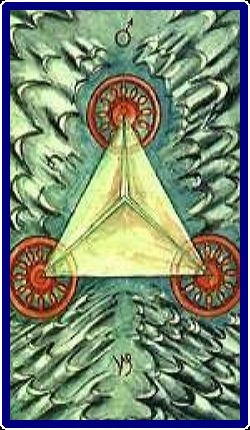
Tingling Meanings: How to Interpret the Thoth Tarot’s Nuances
One of the most fascinating aspects of the Thoth Tarot is its “tingling” meanings—subtle, intuitive insights that arise when working with the cards. These meanings go beyond traditional interpretations and tap into the deeper, often subconscious, messages of the deck. For example, the Ace of Wands might not only represent new creative inspiration but also a surge of energy or a call to action. The Five of Cups could signify not just loss but also the opportunity to learn from disappointment and move forward.
To access these tingling meanings, it’s essential to approach the Thoth Tarot with an open mind and a willingness to explore its layers of symbolism. Meditation, journaling, and studying the deck’s esoteric correspondences can help you attune to its subtle messages. Pay attention to your immediate reactions when a card appears in a reading—does it evoke a strong emotion, a memory, or a sudden insight? These reactions often hold the key to the card’s deeper meaning for you.
Practical Tips for Working with the Thoth Tarot
Working with the Thoth Tarot can be a transformative experience, but it requires patience and practice. Start by familiarizing yourself with the deck’s imagery and symbolism. Spend time each day studying a few cards, noting their colors, symbols, and elemental correspondences. You might also consider creating a tarot journal to record your observations and interpretations. Over time, you’ll develop a personal relationship with the cards and gain confidence in your readings.
When performing a reading, take your time to connect with the cards. Shuffle them mindfully, focusing on your question or intention. Pull a single card for daily guidance or lay out a spread for deeper insights. Pay attention to the cards’ positions and their interactions with one another. For example, if The Tower appears alongside The Star, it might indicate a sudden upheaval followed by hope and renewal. Trust your intuition and allow the Thoth Tarot to guide you on your spiritual journey.
Conclusion
The Thoth Tarot Deck is a powerful and transformative tool for those seeking to explore the depths of esoteric wisdom and spiritual growth. Its rich symbolism, intricate artwork, and deep connections to astrology, Qabalah, and alchemy make it a unique and rewarding deck to work with. By understanding the deck’s structure, studying its cards, and tuning into its tingling meanings, you can unlock profound insights and guidance for your life’s journey.
Whether you’re drawn to the Thoth Tarot for its historical significance, its artistic beauty, or its spiritual depth, this guide has provided you with the foundational knowledge to begin your exploration. Remember that tarot is a deeply personal practice, and the meanings you derive from the cards will be unique to your experiences and intuition. Embrace the journey, and let the Thoth Tarot illuminate your path.
FAQ
What is the Thoth Tarot Deck?
The Thoth Tarot Deck is a tarot deck created by Aleister Crowley and Lady Frieda Harris, rich in esoteric symbolism, astrology, and Qabalistic elements, used for divination and spiritual growth.
How does the Thoth Tarot differ from the Rider-Waite-Smith deck?
While based on the Rider-Waite-Smith system, the Thoth Tarot incorporates more complex symbolism including astrological, alchemical, and Qabalistic correspondences, with unique artwork and interpretations.
What are 'tingling meanings' in the Thoth Tarot?
'Tingling meanings' refer to subtle, intuitive insights or emotional reactions that arise when interpreting the Thoth Tarot cards, going beyond traditional definitions to tap into deeper subconscious messages.
How should I start working with the Thoth Tarot Deck?
Begin by studying the deck's imagery and symbolism daily, keeping a tarot journal, and practicing mindful shuffling and reading to develop personal insights and confidence.
Leave a Reply