Short Answer
In this guide, you’ll explore the powerful metaphor of Three of Earth – Grounded Teamwork, uncovering how collaboration rooted in stability and shared purpose can transform challenges into opportunities. You’ll discover the unique appeal of this approach, its foundational principles, and practical ways to apply it in personal, professional, and community settings. By the end, you’ll understand why this metaphor resonates deeply in today’s fast-paced world and how it can anchor your efforts in meaningful connection.
The Metaphor of Three of Earth: Stability in Collaboration
The Three of Earth card in tarot symbolizes stability, practicality, and the strength found in unity. When applied to teamwork, it suggests that the most resilient and effective groups are those built on a solid foundation—where each member contributes their unique strengths while remaining grounded in a shared vision. This metaphor highlights that true collaboration isn’t about individual brilliance but about how well a team can anchor itself in trust, clear communication, and mutual respect. Unlike fleeting trends that prioritize speed or superficial wins, grounded teamwork thrives on consistency, patience, and the understanding that progress is a collective journey, not a solo sprint.
Imagine a garden where three plants—each with different needs and growth patterns—are nurtured together. The first plant might grow tall quickly, the second spreads wide but slowly, and the third remains low to the ground, strengthening its roots. Alone, each would face challenges, but together, they create a resilient ecosystem. This is the essence of Three of Earth: teams where diversity in skills and perspectives becomes a source of strength rather than division. The metaphor reminds us that stability isn’t about rigidity but about adaptability within a strong framework.

Why Grounded Teamwork Stands Out: The Unique Appeal
In a world where remote work and digital communication often replace face-to-face interaction, the appeal of grounded teamwork lies in its ability to foster deep, meaningful connections. Unlike traditional hierarchies that can stifle creativity or agile teams that prioritize speed over substance, grounded collaboration balances structure with flexibility. It thrives on:
- Shared Purpose: Teams aligned with a clear, meaningful goal are more motivated and cohesive. The Three of Earth metaphor underscores that purpose acts as the soil in which ideas take root and flourish.
- Psychological Safety: When team members feel secure to voice concerns, ask questions, or admit mistakes, innovation flourishes. Grounded teams create environments where vulnerability is seen as strength, not weakness.
- Sustainable Growth: Quick fixes often lead to burnout or setbacks. Grounded teamwork focuses on long-term health, ensuring that efforts today lay the groundwork for future success.
- Inclusivity: Diversity isn’t just about representation; it’s about valuing each voice. The Three of Earth reminds us that a team’s strength lies in its ability to integrate different perspectives without losing sight of its core values.
This approach also resonates in creative fields, where collaboration can spark unexpected breakthroughs. For instance, a design team might blend a writer’s narrative skills, a designer’s visual intuition, and a developer’s technical expertise to create something greater than the sum of its parts. The grounded metaphor ensures that even in creative chaos, there’s an underlying stability that keeps the project on track.
The Language of Grounded Teamwork: Communication That Anchors
Effective teamwork relies on language that builds bridges rather than walls. Grounded collaboration uses communication styles that are:
- Clear and Concise: Avoiding jargon or vague directives ensures everyone understands their role and the team’s direction. For example, instead of saying, “Let’s innovate,” a grounded team might say, “Let’s explore three ways to improve user experience by next week.”
- Empathetic: Active listening and validating others’ ideas create psychological safety. Phrases like, “I see your point—how might we combine that with the existing plan?” foster collaboration.
- Solution-Oriented: Grounded teams focus on problem-solving rather than blame. Instead of dwelling on what went wrong, they ask, “What’s one step we can take to move forward?”
- Inclusive: Language that welcomes all voices, such as, “What does everyone think?” or “Let’s hear from those who haven’t shared yet,” ensures no one is left out of the conversation.
Metaphors themselves can be powerful tools in grounded teamwork. Comparing a project to a garden, a building’s foundation, or a ship’s crew reinforces the idea that every role is vital to the whole. For example, a project manager might say, “We’re like the roots of a tree—each of us supports the trunk, and together, we hold up the branches where the fruit grows.” Such imagery keeps the team focused on their interconnectedness.
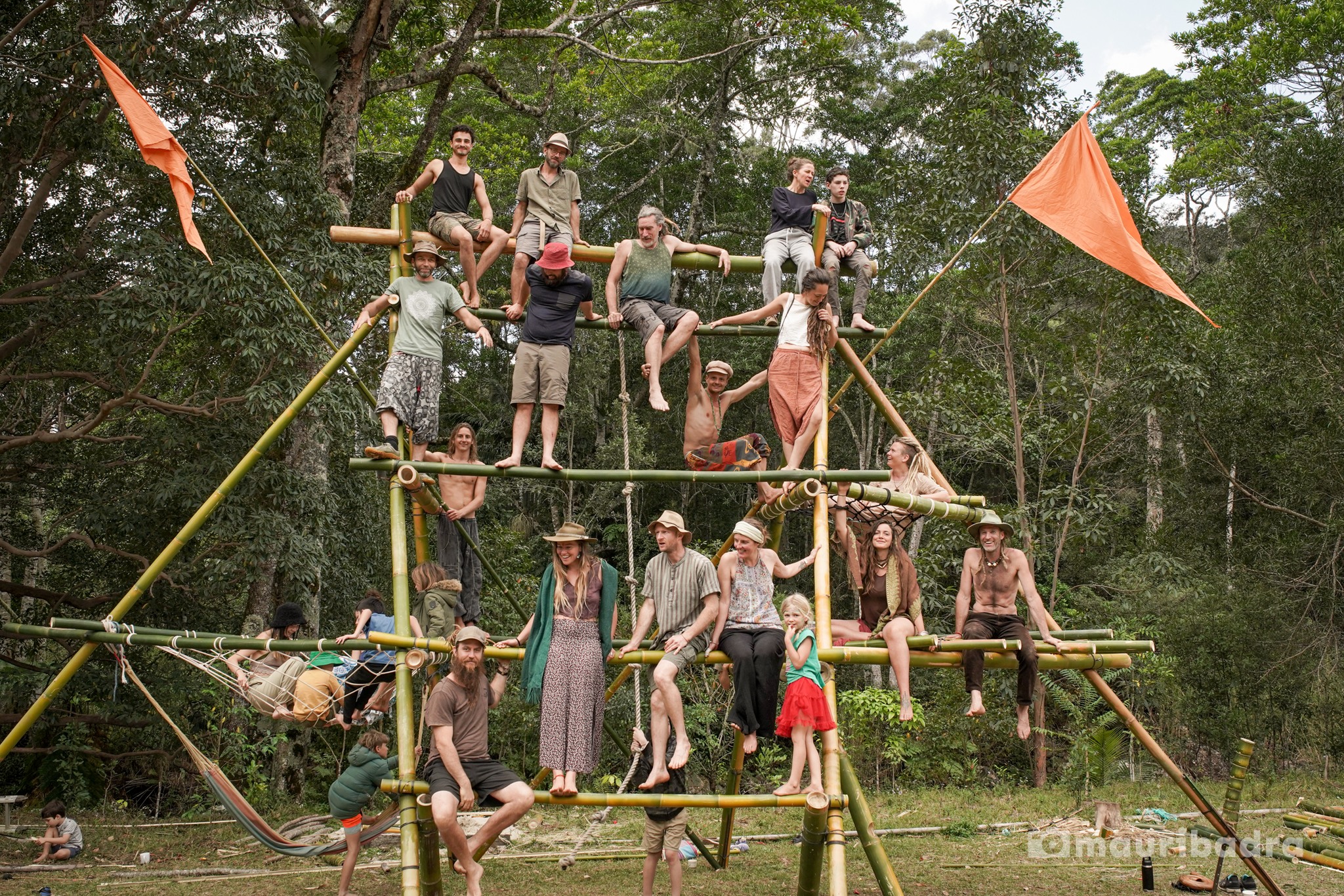
Practical Steps to Cultivate Grounded Teamwork
Applying the Three of Earth metaphor to real-world teams requires intentional effort. Here’s how to start:
- Define Your Foundation: Begin by clarifying the team’s core values, mission, and goals. Ask: “What does success look like, and how do we measure it?” Write these down and revisit them regularly to stay grounded.
- Build Trust Through Rituals: Rituals—whether daily stand-ups, weekly check-ins, or monthly retreats—create consistency. For example, a “grounding circle” where team members share one personal and one professional win can strengthen bonds.
- Encourage Role Clarity with Flexibility: Define roles clearly but allow room for overlap. For instance, a developer might assist with testing if it helps the team meet a deadline, but the primary responsibility remains theirs. This balance prevents burnout while maintaining accountability.
- Foster Cross-Pollination: Encourage team members to learn from each other’s domains. A marketer might shadow a customer support rep to better understand client pain points, or a designer might sit in on a sales call to align visuals with real-world needs.
- Embrace Conflict as Fertilizer: Disagreements are natural, but grounded teams frame conflict as an opportunity to refine ideas. Use structured techniques like “Yes, and…” brainstorming or the “Six Thinking Hats” method to explore issues from multiple angles.
- Celebrate Small Wins: Grounded teams acknowledge progress, no matter how incremental. Celebrating milestones—like completing a phase of a project or receiving positive feedback—reinforces the team’s collective effort.
Technology can also support grounded teamwork. Tools like shared digital whiteboards (e.g., Miro or Mural) allow teams to visualize ideas collaboratively, while project management platforms (e.g., Asana or Trello) keep tasks organized without stifling creativity. The key is to use technology as a bridge, not a barrier, ensuring that digital interactions complement face-to-face connections.
Grounded Teamwork in Action: Real-World Examples
Consider the story of a small-town bakery facing closure due to rising costs. The owner, instead of cutting corners, rallied the team—bakers, cashiers, and delivery drivers—to brainstorm solutions. The bakers suggested a “community loaf” program where locals could pre-order bread at a discount, the cashiers proposed a loyalty app to boost repeat customers, and the drivers offered to optimize delivery routes to save fuel. Within six months, the bakery not only survived but thrived, thanks to the team’s grounded collaboration.
In another example, a software company developing a new app faced a critical bug during testing. Instead of assigning blame, the team held a “grounding session” where everyone shared their perspective. The developer who wrote the code, the QA tester who found the bug, and the product manager who understood user needs all contributed to a solution that improved the app’s stability. This approach not only fixed the issue but also strengthened the team’s trust in each other.
These examples highlight that grounded teamwork isn’t about avoiding problems but about facing them together with a shared toolkit of resilience, creativity, and mutual support.

Conclusion: The Enduring Power of Being Grounded
Three of Earth – Grounded Teamwork is more than a metaphor; it’s a blueprint for building teams that endure, adapt, and thrive. In a culture that often glorifies hustle and individualism, this approach offers a refreshing alternative: one where success is measured not just by outcomes but by the quality of the journey. Grounded teams recognize that every member, from the newest intern to the seasoned leader, plays a vital role in the ecosystem. They understand that stability isn’t about standing still but about growing roots deep enough to weather any storm.
As you apply these principles to your own teams—whether in the workplace, community projects, or personal relationships—remember that the magic of grounded teamwork lies in its simplicity. It’s about showing up consistently, listening actively, and valuing each contribution. In doing so, you’ll not only achieve your goals but also create a legacy of collaboration that inspires others. After all, the strongest trees aren’t those that grow the tallest in a day, but those that stand firm for decades, their branches reaching far because their roots are unshakable.
FAQ
What does the Three of Earth tarot card symbolize?
The Three of Earth symbolizes stability, practicality, and the strength found in unity, encouraging grounded teamwork and collaboration.
How does grounded teamwork benefit teams?
Grounded teamwork fosters trust, clear communication, shared purpose, inclusivity, and sustainable growth, which leads to stronger, more resilient teams.
What practical steps help build grounded teamwork?
Define clear goals, build trust through rituals, clarify roles with flexibility, encourage cross-domain learning, embrace constructive conflict, and celebrate small wins.
How can technology support grounded teamwork?
Collaborative digital tools like shared whiteboards and project management platforms can enhance communication and organization without replacing face-to-face connection.


Leave a Reply