Short Answer
The Tarot deck is a profound tool of divination, self-reflection, and spiritual insight, with each card carrying layers of meaning that resonate across cultures and centuries. Among these, the Emperor stands out as a symbol of authority, structure, and mastery. In this guide, we explore the significance of the Emperor in the Tarot deck—particularly within the Thoth Tarot tradition—and delve into why this card captivates so many seekers. You’ll discover its core symbolism, its role in readings, and the deeper psychological and archetypal forces it represents. By the end, you’ll understand not just what the Emperor means, but why it continues to fascinate and challenge those who encounter it.
The Emperor in the Tarot Deck: An Overview
The Emperor is the fourth card in the Major Arcana, positioned between the Empress (Card III) and the Hierophant (Card V). This placement is intentional, as it represents the transition from the nurturing, receptive energy of the Empress to the structured, authoritative energy of the Emperor. In most traditional decks, including the Rider-Waite-Smith, the Emperor is depicted as a stern, bearded figure seated on a stone throne adorned with rams’ heads—symbols of Aries, the zodiac sign associated with leadership and assertiveness. He holds an ankh in one hand and a scepter in the other, signifying life, power, and dominion.

In the Thoth Tarot, designed by Aleister Crowley and Lady Frieda Harris, the Emperor takes on a more esoteric and dynamic form. Here, he is not just a ruler but a manifestation of the creative and destructive forces of the universe, embodying the principle of Chokmah (Wisdom) in the context of Binah (Understanding) in the Kabbalistic Tree of Life. The Thoth Emperor is often depicted with a fiery, almost volcanic energy, surrounded by symbols of alchemical transformation and cosmic order. This version of the card emphasizes the Emperor’s role as a bridge between the spiritual and material worlds, highlighting his function as a disciplined leader who channels raw power into constructive action.
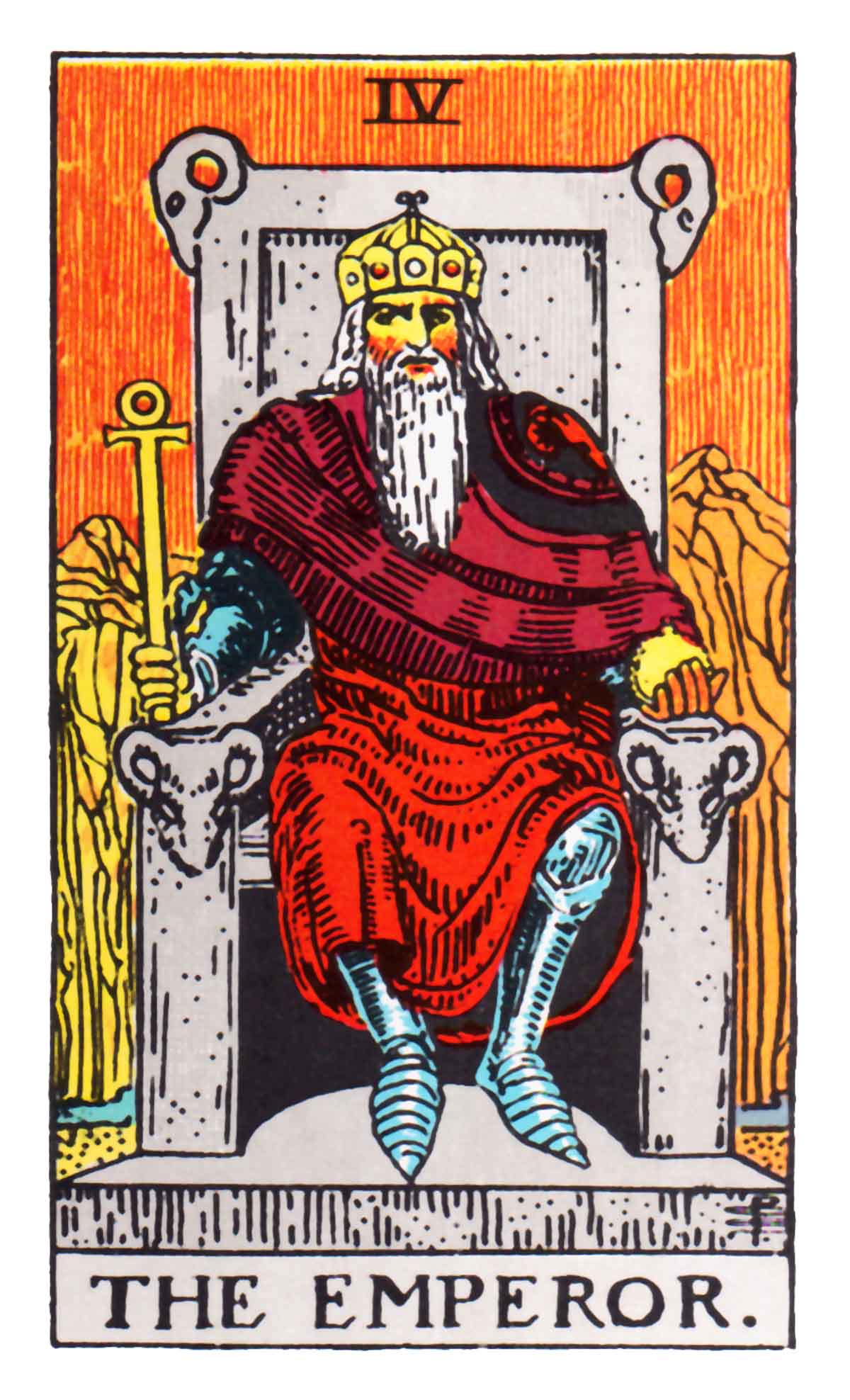
The Emperor’s imagery is rich with symbolism that speaks to his core attributes: stability, control, and the establishment of order. The throne, often made of stone or adorned with geometric patterns, represents permanence and the unyielding nature of laws—whether they are societal, natural, or cosmic. The rams’ heads are not merely decorative; they are a nod to the astrological sign of Aries, which governs initiation, courage, and the will to lead. In many interpretations, the Emperor is seen as the embodiment of the father archetype, providing structure, boundaries, and guidance to those who seek his wisdom.
Key Themes and Symbolism of the Emperor
The Emperor’s symbolism can be broken down into several key themes, each offering a different lens through which to understand his role in a reading or personal reflection.
Authority and Leadership
At its core, the Emperor represents authority—both external and internal. Externally, he symbolizes leadership, governance, and the ability to enforce order. This could manifest in a reading as a need to take charge of a situation, assert boundaries, or step into a position of responsibility. Internally, the Emperor embodies self-mastery: the discipline to control one’s impulses, the strength to make tough decisions, and the wisdom to lead by example. For those struggling with indecision or lack of direction, the Emperor serves as a reminder that true power comes from within.
In the Thoth Tarot, this theme is amplified by the card’s association with the element of Fire, which represents willpower, passion, and transformation. The Emperor’s fiery energy is not destructive but catalytic—it sparks action, fuels ambition, and drives progress. This aligns with Crowley’s interpretation of the card as a force that channels chaos into order, much like a blacksmith shaping molten metal into a blade.
Structure and Stability
The Emperor is often called upon in readings to highlight the importance of structure in one’s life. This could mean establishing routines, setting clear goals, or creating systems that bring order to chaos. In a world that often feels unpredictable, the Emperor offers a reassuring presence: a reminder that stability is not only possible but necessary for growth. His stone throne and rigid posture symbolize unshakable foundations, while his scepter and orb represent the tools of governance and the responsibility that comes with power.
However, the Emperor’s emphasis on structure can also be a double-edged sword. While order is essential, rigidity can lead to stagnation. A reading that highlights the Emperor might be urging the querent to find a balance—between discipline and flexibility, between control and surrender. The Thoth Tarot’s depiction of the Emperor often includes symbols of duality, such as the intertwined serpents of the caduceus, suggesting that even the most structured systems must account for opposing forces.
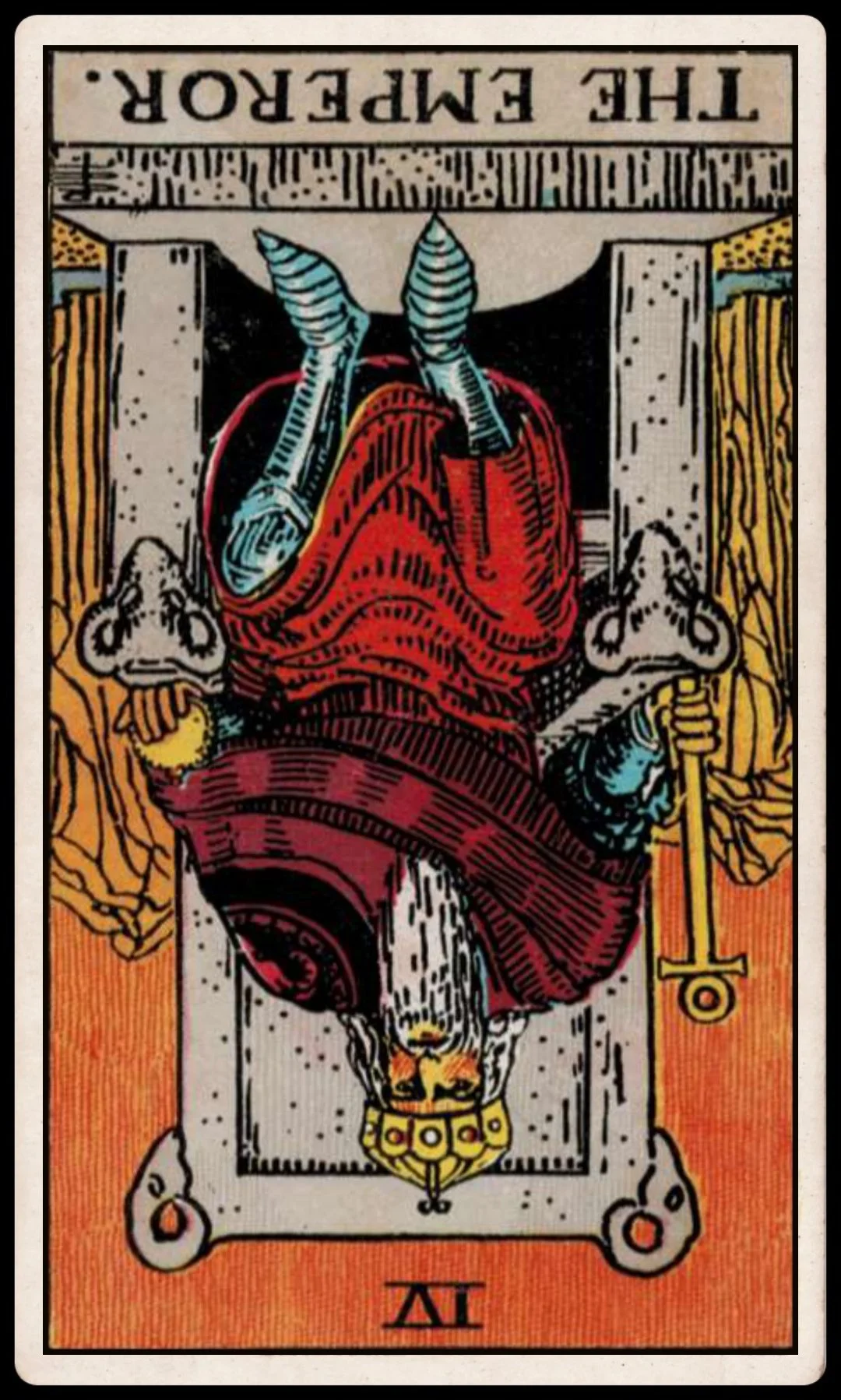
In relationships, the Emperor can indicate a need for clear roles and expectations. He may appear when a partnership is lacking direction or when one partner is taking on too much responsibility without reciprocity. His energy encourages the querent to step up, communicate needs, and establish healthy boundaries. Conversely, if the Emperor appears reversed, it may signal an overbearing or authoritarian presence—someone who imposes their will without regard for others’ needs, or a situation where rigidity has become oppressive.
Masculine Energy and the Father Archetype
The Emperor is deeply tied to the masculine archetype, not in a gendered sense but as a representation of qualities traditionally associated with masculinity: logic, assertiveness, and the drive to achieve. In Jungian psychology, the Emperor embodies the animus, the inner masculine aspect present in all individuals, regardless of gender. This archetype is not about domination but about integration—balancing assertiveness with compassion, strength with vulnerability.
In a reading, the Emperor can appear as a father figure, mentor, or authority figure who provides guidance and protection. He may also represent the querent’s own inner masculine energy, urging them to embrace their assertive side or take on a leadership role. For those who have experienced absent or domineering father figures, the Emperor’s appearance can be an invitation to reclaim personal power and redefine what authority means to them.
Common Observations and Deeper Reasons for Fascination
One of the most common observations about the Emperor is his association with power—both its allure and its dangers. Many people are drawn to the Emperor because he represents the pinnacle of achievement: the CEO, the general, the ruler. Yet, this fascination often masks a deeper curiosity about the nature of power itself. What does it mean to wield authority? How does one balance power with humility? The Emperor challenges us to confront these questions, revealing that true power is not about control but about responsibility.
Another reason the Emperor captivates is his role as a counterbalance to the Empress. While the Empress represents nurturing, creativity, and receptivity, the Emperor embodies action, structure, and manifestation. Together, they form a dynamic duo that highlights the necessity of both feminine and masculine energies in the world. The Emperor’s presence in a reading often signals a need to integrate these forces—to move from idea to execution, from potential to reality.
Psychologically, the Emperor can also represent the superego, the part of the psyche that internalizes societal rules and moral standards. When the Emperor appears, it may be a call to examine one’s own internalized beliefs: Are they serving you, or are they limiting your growth? The card invites introspection, asking whether the querent is following external expectations at the expense of their true desires.
Practical Applications: How to Work with the Emperor’s Energy
The Emperor’s lessons are not confined to the Tarot deck; they can be applied to daily life in meaningful ways. Here are some practical ways to engage with his energy:
In Personal Development
If you’re seeking to embody the Emperor’s qualities, start by identifying areas of your life where you need more structure or discipline. This could mean setting a morning routine, creating a budget, or committing to a fitness plan. The Emperor rewards consistency and effort, so small, daily actions can build the foundation for long-term success. Journaling can also be a powerful tool—reflect on where you feel out of control and how you can assert your authority in a healthy way.
In Relationships
The Emperor can guide you in establishing healthier dynamics with others. If you’re in a partnership, discuss roles and responsibilities openly. If you’re single, the Emperor may be encouraging you to take the lead in your love life rather than waiting for someone else to make the first move. In friendships, he can remind you to set boundaries and communicate your needs clearly.
In Career and Goals
The Emperor is a powerful ally when it comes to career growth. He encourages you to take initiative, seek promotions, or start a business. If you’ve been procrastinating on a project, the Emperor’s energy can provide the push you need to get started. He also reminds you to lead with integrity—true authority comes from competence and ethical behavior, not manipulation or coercion.
Conclusion
The Emperor is far more than just a card in the Tarot deck; he is a mirror reflecting our relationship with power, structure, and authority. Whether he appears in a reading as a guide, a warning, or a challenge, his message is clear: true leadership begins with self-mastery. By understanding the Emperor’s symbolism—his throne of stone, his rams’ heads, his fiery energy in the Thoth Tarot—we gain insight into our own capacity for discipline, responsibility, and transformation.
His fascination lies not just in his regal imagery but in the universal questions he raises: How do we balance freedom with structure? How do we wield power without becoming tyrants? And how do we lead not just others, but ourselves? The Emperor does not offer easy answers, but he provides the tools to find them. Whether you’re a seasoned Tarot reader or a curious beginner, engaging with the Emperor’s energy can be a profound step toward greater self-awareness and empowerment.
FAQ
What does the Emperor card represent in Tarot?
The Emperor card represents authority, structure, and mastery, often embodying the father archetype and themes of leadership and stability.
How does the Thoth Tarot's Emperor differ from traditional depictions?
In the Thoth Tarot, the Emperor embodies a more dynamic and esoteric form, representing creative and destructive forces rather than just authority.
Leave a Reply